
By Ali Abare
In any thriving democracy, criticism is not just inevitable. It is necessary. As the great philosopher Voltaire once said, “To hold a pen is to be at war.” However, the essence of criticism lies in its intent: Is it aimed at fostering growth, or is it merely a tool for tearing down?
In Nasarawa State, Governor Abdullahi Sule has repeatedly expressed his willingness to engage with constructive feedback, acknowledging that even the best leaders can benefit from well-meaning advice. Yet, there exists a troubling trend, individuals who criticize not for the sake of progress but for the sheer pleasure of undermining.
It is a known fact that constructive criticism is the lifeblood of good governance. It serves as a mirror, reflecting both strengths and areas needing improvement. As former U.S. President Theodore Roosevelt aptly noted, “To announce that there must be no criticism of the president… is morally treasonable to the American public.”
The same applies to any democracy, citizens must question, challenge, and demand accountability. However, when criticism becomes an end in itself rather than a means to better governance, it loses its value.
It is on record that the Governor Sule’s administration has demonstrated openness and responsiveness, engaging with stakeholders and implementing policies aimed at improving the lives of Nasarawa citizens. Yet, some critics remain fixated on fault-finding without offering viable alternatives. This brand of criticism is not just unproductive, it is corrosive.
When critics focus solely on disparaging remarks rather than engaging in meaningful discourse, they divert attention from genuine developmental challenges. Energy that could be channeled into problem-solving is wasted on negativity.
Also, constant, unfounded criticism can create unnecessary skepticism among citizens, even when the government is making tangible progress. As political analyst David Axelrod once said, “Cynicism is a choice. Hope is a better choice.”
Similarly, leaders, as well as civil servants working diligently for the state’s progress may become disheartened when their efforts are met with relentless negativity rather than fair assessment.
There is no gainsaying the fact that democracy thrives when citizens hold leaders accountable. But accountability must be rooted in truth and a genuine desire for improvement. As the saying goes, “Criticism, like rain, should be gentle enough to nourish a man’s growth without destroying his roots.”
Governor Sule’s administration has shown a commitment to listening and evolving. Rather than indulging in destructive criticism, stakeholders, opposition figures, should engage in solution-driven dialogue. After all, the ultimate goal should be the progress of Nasarawa State, not the satisfaction of scoring political points.
It does not portends seriousness in a situation where chieftains of opposition political parties issue public statement saying President Bola Ahmed Tinubu is coming to Nasarawa State to commission ‘fake’ projects, even when these politicians know that there are existing projects such as the multi billion naira new secretariat complex, as well as the Lafia flyover and underpass.
The projects being lined up for commissioning in Nasarawa State to mark the second year anniversary of President Tinubu exist and are visible for all to see. These projects are the legacy projects of an administration that is changing the narrative as far as sustainable development is concerned. As such, no amount of destructive criticism and outright denial could wish away these projects.
Again, there are other individuals who merely seek to derive popularity by needless criticism of every action or inaction of the Governor. There are critics who would wait to see the colour of the dress worn by Governor Sule before taking to the social media in the false garb of social activists.
Indeed, and as in the words of Winston Churchill, “Criticism may not be agreeable, but it is necessary. It fulfills the same function as pain in the human body. It calls attention to an unhealthy state of things.” However, when criticism ceases to be a corrective measure and becomes a weapon of malice, it ceases to serve democracy.
With the great amount of zeal, commitment and foresight deployed by a Governor Sule whose only motivation is to leave the state far better than he met it, Nasarawa deserves discourse that builds, not breaks. The choice is ours: Will we be voices of progress or agents of unnecessary strife?
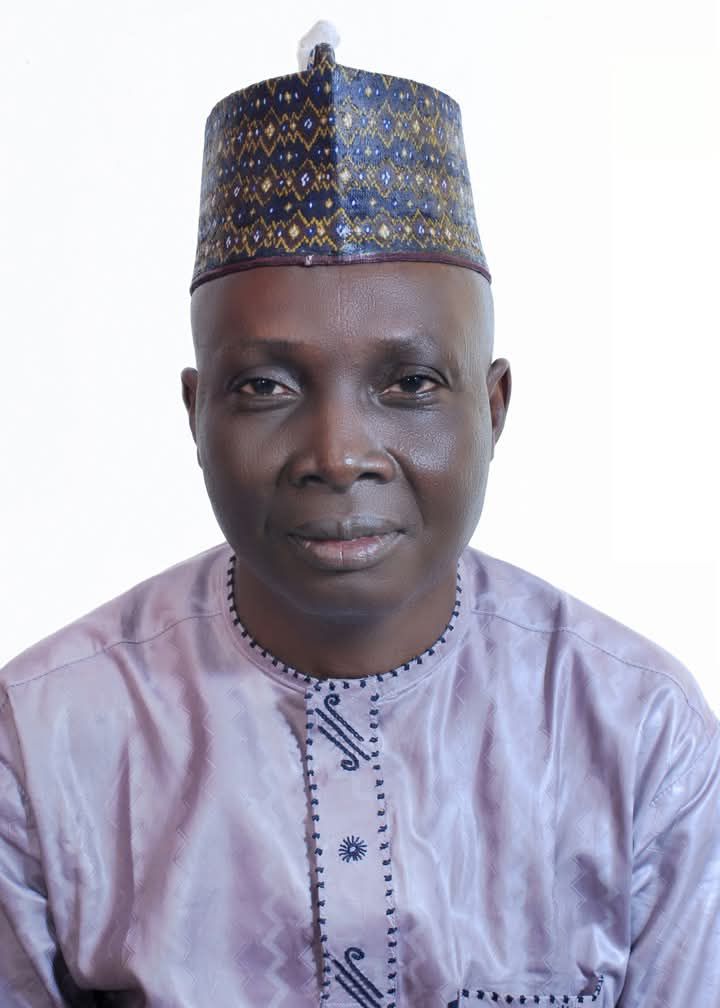
Abare is the Senior Special Assistant on Media to Governor Abdullahi Sule
 nasarawaeye.com