
By Rayyanu Bala
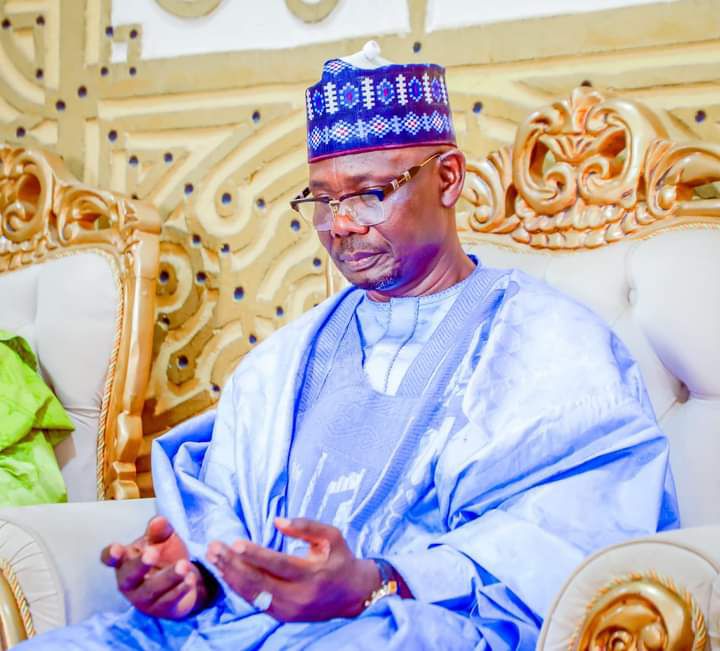
The Senate aspiration of Governor Abdullahi Sule, as revealed by the Director General of the Nasarawa State Pension Bureau, Alhaji Sulaiman Nagogo, during a gathering in Wamba, did not come as a surprise to many. In politics, few things are truly unexpected.
What stands out, however, is the backlash and criticism surrounding Governor Sule’s intention to vie for the Nasarawa North Senate seat.
Some critics have gone so far as to cite a previous interview with Channels Television, where he reportedly declared that he would not contest for a Senate seat. That clip is now making the rounds on social media, used as “evidence” of inconsistency.
But the decision to contest or not is entirely Governor Sule’s prerogative. People change their minds which is part of basic human reality. Circumstances evolve, new insights emerge, and perspectives shift. That he is now reconsidering his stance should not be treated as a crime.
When Governor Sule announced on national television in January 2024 that he had no intention of heading to the Senate after his tenure, many saw it as a refreshing display of integrity. At a time when many political officeholders treat Senate seats as a retirement home or political lifeline, his declaration was seen as a breath of fresh air. But was his declaration not to contest truly in the best interest of Nasarawa State?
Let us consider the other side of the argument: perhaps Governor Sule should run for Senate not out of personal ambition, but out of a duty to continue serving with experience, capacity, and vision.
First, experience is an asset Nasarawa cannot afford to waste. After eight years of leading a complex and evolving state like Nasarawa, Governor Sule has acquired practical insights into governance and grassroots engagement. As a senator, he could bring this experience into national policymaking.
Second, the Senate needs reform-minded individuals. Nigeria’s legislative chambers have frequently been criticized for stagnation, self-interest, and disconnect from the everyday struggles of the people. If Governor Sule’s leadership record holds true, then the logical next step is not retirement but active engagement by using his track record to drive meaningful change from within.
Third, representation matters. Nasarawa and the North Central region need leaders in Abuja who understand their specific challenges and are willing to champion their cause. Governor Sule could serve as a crucial bridge between state and federal interests, advocating for resource allocation, economic inclusion, and social development.
There’s also the question of legacy. History often favours those who adapt their roles to serve greater purposes. Think of Nelson Mandela’s evolution from prison to president or former President Olusegun Obasanjo or Winston Churchill’s return to leadership after stepping down. Governor Sule’s refusal to seek a Senate seat may reflect humility, but his participation could deepen his legacy as a statesman who continued to serve when his voice was most needed.
Governor Sule may not need the Senate, but perhaps Nasarawa North and indeed Nasarawa state needs Governor Sule. True leadership is not just about knowing when to step aside; it’s also about recognizing when your state still needs you.
So rather than focus solely on the past especially on what was once said in an interview, we should look forward. And ask: can Governor Sule offer more to Nasarawa North in particular and Nasarawa state in general by bringing his experience to the Senate?
If the answer is yes, then perhaps he should run not for personal gain, but for public good.
 nasarawaeye.com