
By Our Reporter
The Nigerian Senate has sounded the alarm over what it describes as “mind-boggling and worrisome” financial discrepancies in the audited statements of the Nigerian National Petroleum Company Limited (NNPC), sparking renewed scrutiny into the financial transparency of the nation’s oil giant.
The red flags were raised by the Senate Public Accounts Committee (PAC), chaired by Senator Ahmed Aliyu Wadada during a tense investigative hearing held on Wednesday. The focus: a staggering ₦200 trillion in receivables reported by NNPC between 2017 and 2023, along with unexplained legal and audit expenditures that lawmakers say are devoid of justification or documentation.
At the heart of the committee’s investigation is a series of inconsistencies in NNPC’s audited financial statements. The figures presented in newly submitted documents contradict previously released reports, particularly concerning the receivables—a financial term used to describe money owed to a company.
According to Senator Wadada, the contradictions point to possible attempts to obfuscate or distort financial realities within the national oil corporation. “Trillions of naira are in question, and the new document they presented this afternoon doesn’t match what’s already in their audited report. It’s completely independent and contradictory,” he said during the session.
The PAC also flagged massive expenditures listed under legal and auditing fees. These costs, running into billions of naira, appeared in the NNPC’s books without any breakdown or justification regarding the services rendered. “Legal fees were accrued without any explanation or documentation regarding the legal services rendered. The auditors’ fees raise similar questions,” the committee noted.
This isn’t the first time NNPC has come under fire for lack of financial transparency. Over the years, multiple audits and probes have unearthed suspicious accounting practices, but none on the scale now being scrutinized. The transformation of NNPC into a limited liability company was intended to promote corporate governance, yet the latest findings suggest systemic opacity still lingers.
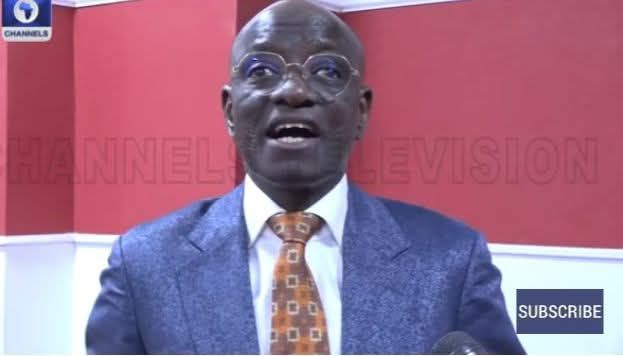
Wednesday’s session saw the appearance of NNPC’s Chief Financial Officer, Dapo Segun, who was grilled by committee members. However, lawmakers expressed dissatisfaction with the responses provided, particularly regarding the unexplained legal and audit bills.
The revelations have triggered outrage among civil society groups and financial watchdogs, who argue that such discrepancies undermine the integrity of public institutions and the government’s broader anti-corruption stance.
“The NNPC is not just any company—it is the financial backbone of the Nigerian state. When trillions are unaccounted for, it goes beyond accounting irregularities. It is a national emergency,” said a representative of BudgIT, a civic tech organization advocating for transparency in public finance.
Senator Wadada assured the public that the Senate would leave no stone unturned in uncovering the truth behind the discrepancies. “This isn’t just about numbers—it’s about trust, accountability, and the future of Nigeria’s economic governance,” he declared.
The PAC is expected to summon additional NNPC officials and possibly external auditors involved in reviewing the corporation’s books.
As the Senate prepares for further hearings, the Nigerian public watches closely, hoping that this time, real accountability might follow the revelations.
 nasarawaeye.com