
By Our Reporter
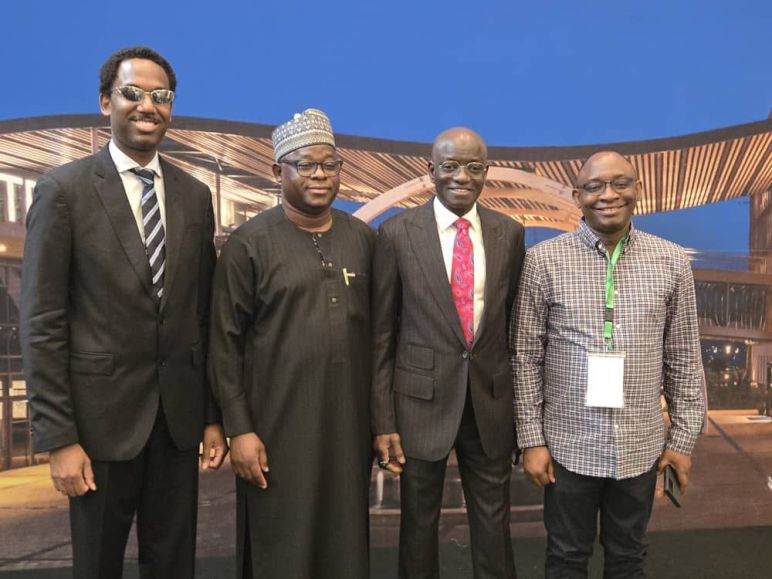
In a move aimed at strengthening Nigeria’s public financial management, Senator Ahmed Wadada Aliyu, Chairman of the Senate Committee on Public Accounts, joined a high-level stakeholders’ engagement on financial reporting held at the Kigali Convention Centre. The forum convened key lawmakers, regulatory officials, and financial experts from Nigeria to discuss innovative strategies for enhancing transparency, accountability, and governance in the country’s public sector.
The gathering brought together notable figures, including Senator Sadeeq Umar, Hon. Jeremiah Umaru, Hon. Munir—the Chairman of the House Committee on Commerce—as well as influential regulatory leaders such as Dr. Adebowale A. Adedokun, Director-General of the Bureau of Public Procurement (BPP); Mr. Victor Muruako, Executive Secretary of the Fiscal Responsibility Commission; and Mr. Adedotun Sulaiman, MFR, Chairman of the Financial Reporting Council.
Senator Wadada emphasized the critical importance of the forum, describing it as a timely intervention necessary for repositioning Nigeria’s public financial system. “High-quality financial reporting remains the backbone of fiscal discipline and a prerequisite for restoring public confidence in government spending,” he stated. He further underscored that “transparency and accountability in financial reporting are not just administrative requirements, they are essential pillars for good governance and national development.”
The event focused on pragmatic approaches to closing long-standing gaps in Nigeria’s financial reporting framework. Discussions highlighted the urgent need for real-time digital audits, enhanced budget monitoring systems, and improved coordination among oversight agencies to foster a more transparent financial environment.
Senator Wadada also called for greater institutional independence and capacity building for crucial agencies such as the Office of the Auditor-General, the Fiscal Responsibility Commission, and the Bureau of Public Procurement. He advocated for strengthening these bodies to ensure they can effectively execute their mandates and uphold fiscal discipline.
Participants viewed the engagement as a vital step toward aligning Nigeria’s financial management with global best practices. They expressed optimism that adopting international standards would not only improve public sector governance but also attract foreign investment, reduce corruption, and stimulate economic growth.
This event marks a significant chapter in Nigeria’s ongoing fiscal reforms, aimed at fostering closer collaboration between the legislature and financial regulators. As the country strives to enhance its fiscal space, the Kigali engagement serves as a beacon for transparency, accountability, and sustainable development in Nigeria’s public financial management landscape.

 nasarawaeye.com