
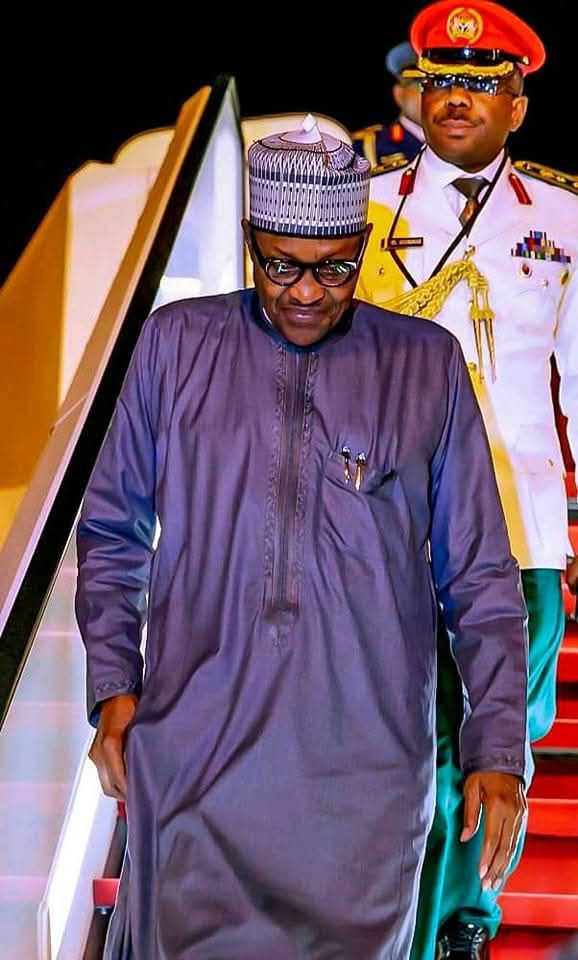
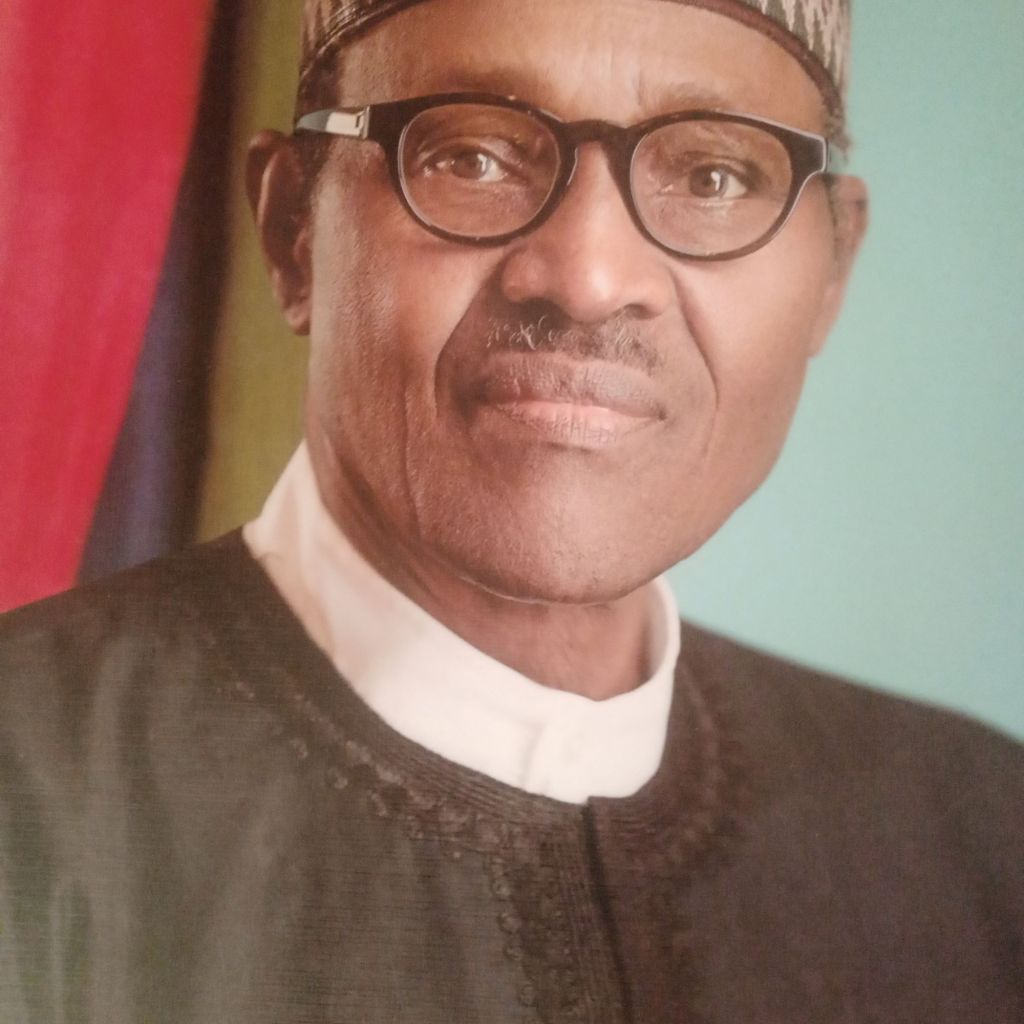
As Nigeria mourns the passing of former President Muhammadu Buhari, it is only fitting to reflect on the legacy of a man whose life and leadership left an indelible mark on our national consciousness. In Nasarawa State, and across vast stretches of Nigeria, Buhari was not merely a political figure, he was a symbol of integrity, accountability, and steadfast patriotism.
Long before he ascended to Aso Villa in 2015, Muhammadu Buhari had already earned the unwavering loyalty of the people of Nasarawa state. In 2011, while most of the country turned away from him at the polls, Nasarawa embraced him, voting massively for the Congress for Progressive Change (CPC), the party he founded. That faith was so profound that it propelled Umaru Tanko Al-Makura to victory, making him the only CPC governor in the country.
The late president’s appeal in Nasarawa was not driven by ethnic sentiment or fleeting political promises, it was rooted in a deeply held belief in Buhari’s personal integrity. Here was a man who, even in the face of unrelenting political pressure and personal vilification, remained steadfast in his principles. His moral clarity and zero-tolerance stance against corruption earned him both admirers and adversaries.
Buhari’s leadership was not without its flaws—no human being is perfect. But even his harshest critics often conceded one thing: Muhammadu Buhari was not corrupt. In a nation where corruption has long undermined progress, this singular quality set him apart. He confronted the monster head-on, challenging entrenched interests and taking unpopular stances in defense of the national good.
To many, especially in Nasarawa state, Buhari was more than a president, he was a moral compass. His private life mirrored his public stance: honest, reserved, and principled. He granted space for dissenting voices, even within his own household. His tolerance and respect for differing opinions reflected a democratic spirit rare among Nigerian leaders.
Buhari’s presidency was defined by three pillars: fighting corruption, securing the nation, and reviving the economy. While challenges remained, there is no denying that he recorded measurable progress in two—corruption and security. His economic policies, aimed at diversification and infrastructure renewal, laid foundations for long-term growth. Nigeria’s emergence from recession under his watch was a testament to his administration’s economic recovery efforts.
Yet, perhaps the most enduring aspect of Buhari’s legacy is not in policy or politics but in the values he represented. In a time when cynicism about leadership ran high, Buhari restored, for many, the belief that a leader could serve without enriching himself. That belief resonated powerfully in Nasarawa state. No wonder many turned out for his 7th day prayer held at the palace of Emir of Lafia on Sunday, where his name still evokes admiration and pride.
As we bid farewell to Muhammadu Buhari, we do so with a deep sense of loss, but also with gratitude. Nigeria may never again see a leader quite like him, flawed, certainly, but incorruptible and sincere in his desire to see a better nation.
Rest in peace, President Muhammadu Buhari. Your legacy of integrity lives on.
 nasarawaeye.com