

By Dr. Idris Keana
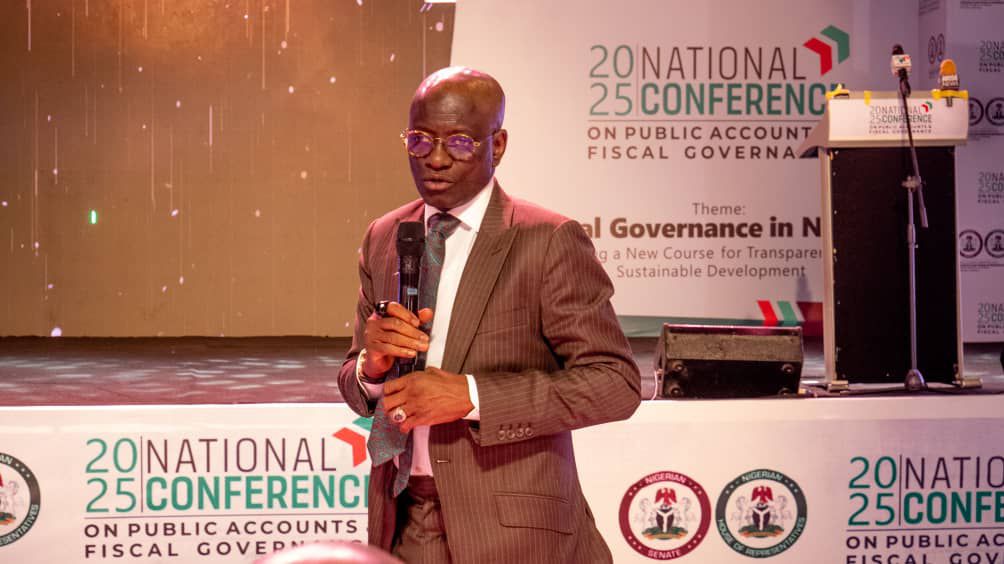
The recent opinion piece, “Senator Ahmed Aliyu Wadada and the Politics of Convenience” by Ibrahim Musa Andafu, presents a narrative that appears more rooted in political rivalry than in a balanced assessment of facts. While dissent is healthy in a democracy, it must be grounded in truth, not selective recollection.
First, it is important to clarify that Senator Ahmed Aliyu Wadada’s political trajectory is not one of opportunism, but of principle and courage. His departure from the APC in 2022 was not the act of a man running from defeat, but of a leader standing against the imposition and internal irregularities that plagued the party’s primaries at the time. In doing so, he demonstrated that political parties must serve the people, not a select few power brokers.
The claim that Senator Wadada treats party platforms as “mere vehicles for personal advancement” disregards his track record of service to Nasarawa West. Since assuming office in 2023 under the Social Democratic Party (SDP), he has actively championed bills, facilitated projects, and engaged in empowerment programmes that have directly impacted his constituents—acts that cannot be dismissed as media optics.
Moreover, political alignment shifts are neither unprecedented nor inherently dishonourable. Across Nigeria’s political history, leaders of substance have crossed party lines in pursuit of platforms better aligned with their vision and the needs of their people. What matters is the motive and the results. In Senator Wadada’s case, his decisions have consistently reflected his belief in open democracy, fairness, and the right of the electorate to choose freely.
The assertion that he lacks “political stability” ignores the fact that the true measure of stability is not stubborn attachment to a label, but consistency in values and delivery. On these counts, Wadada’s record speaks for itself—his legislative focus on human capital development, youth empowerment, education, and infrastructure is evidence of a leader grounded in purpose, not convenience.
The APC, like any serious political party, must indeed value loyalty. But loyalty should not be blind—it should be mutual, earned through transparency, inclusiveness, and a commitment to the electorate. If Senator Wadada chooses to rejoin the APC, it will not be out of desperation, but as part of a strategic alignment to strengthen the party’s chances of delivering quality governance in 2027 and beyond.
In the final analysis, dismissing Senator Ahmed Aliyu Wadada as a “politician of convenience” is a mischaracterisation. He is, in fact, a politician of conviction—willing to take difficult decisions, face political headwinds, and remain steadfast in serving the people of Nasarawa West. That is the kind of leadership Nigeria needs more of, not less.
 nasarawaeye.com