
By Isa Galabi
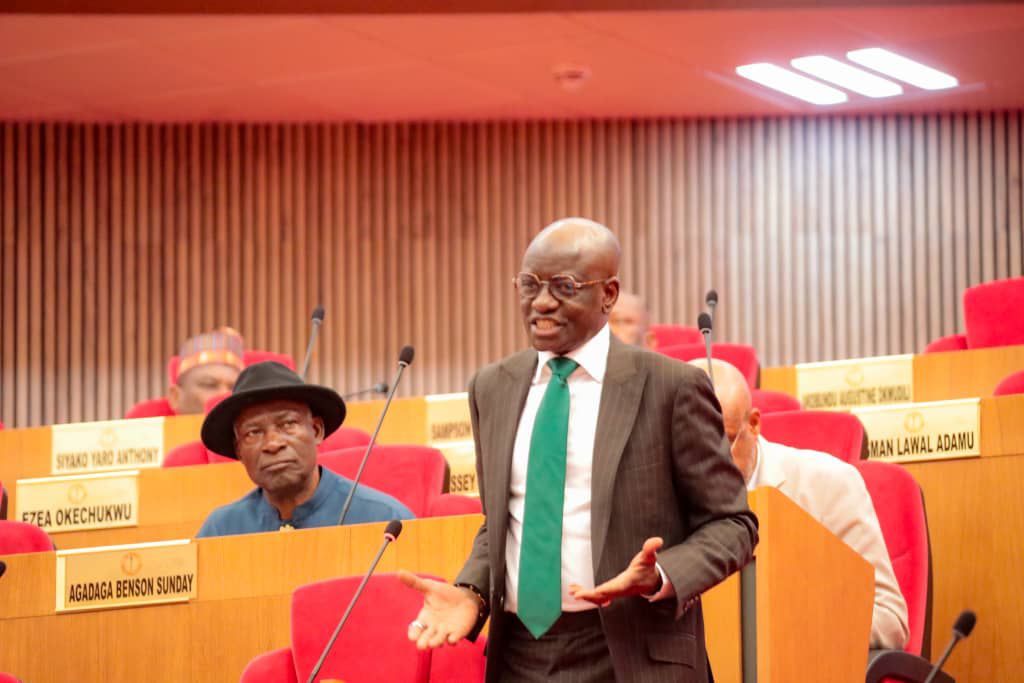
As Nasarawa State witnesses a historic milestone with the opening of its first airport, named after Usman Danfodio, one name that stands out in championing the vision of turning this aviation infrastructure into an engine of economic growth is, Senator Ahmed Wadada Aliyu. Through his sponsorship of the Federal Airports Authority (FAA) Act (Amendment) Bill, Senator Wadada is not only contributing to national aviation reform but is also laying the foundation for a transformative era in Nasarawa’s economic and developmental journey.
This bill arrives at a defining moment for the state. While the opening of a new airport is a significant achievement in itself, Senator Wadada understands that the mere presence of an airport is not enough. It must be governed, maintained, and operated with excellence. That is the exact promise of the FAA (Amendment) Bill—a comprehensive legal framework designed to enhance airport governance, infrastructure, and investment opportunities across the country, with Nasarawa poised to benefit immensely.
Senator Wadada’s vision is clear: leverage aviation to drive Nasarawa’s broader economic agenda. By focusing on international safety and operational standards, the amendment ensures Nasarawa’s airport will not be left behind in terms of quality and global compliance. This level of oversight and standardization is critical in attracting airlines, increasing flight frequency, and ensuring passenger confidence. It’s the first step in transforming Nasarawa into a regional aviation hub.
Crucially, Senator Wadada recognizes that airports are not just about planes, they are powerful catalysts for job creation and private sector growth. The FAA Bill seeks to modernize management practices and open the doors for commercial activities within and around airports. For Nasarawa, this translates into opportunities in logistics, transportation, hospitality, and retail. By stimulating these sectors, the state is on track to become a northern economic powerhouse, generating jobs and revenue while supporting small and medium enterprises.
A notable highlight of the bill is its strong support for public-private partnerships (PPPs)—a strategic move that could significantly boost investment in Nasarawa’s airport. Under Senator Wadada’s leadership, this approach ensures the state can attract world-class investors to build modern terminals, cargo facilities, and aviation services, all while easing the financial burden on public coffers. These collaborations, rooted in innovation and efficiency, are essential for long-term sustainability and competitiveness.
Nasarawa’s airport also stands to become a vital logistics gateway, especially for the state’s agricultural and mineral exports. With streamlined cargo handling and improved connectivity, the FAA Bill opens pathways for Nasarawa’s products to reach national and international markets. This is more than infrastructure, it is market access, economic empowerment, and global relevance for local producers.
Tourism is yet another area where Senator Wadada’s bill can unlock potential. Nasarawa is home to unique cultural festivals, natural wonders, and historical sites. By ensuring a smooth and welcoming travel experience, a well-regulated airport can serve as the gateway to the state’s rich heritage, drawing tourists and boosting local economies in rural and urban areas alike.
Perhaps one of the most visionary aspects of the bill is the emphasis on financial autonomy for regional airports. Senator Wadada is advocating for a model where generated revenue is reinvested locally, allowing Nasarawa to use airport profits to fund public services such as roads, schools, and healthcare. This decentralized, reinvestment-focused model could redefine how infrastructure projects contribute to social development.
Moreover, in times of crisis—natural disasters, health emergencies, or humanitarian needs, a well-equipped airport becomes a lifeline. The FAA Amendment Bill’s focus on operational excellence ensures that Nasarawa will have the capacity to respond swiftly and efficiently to emergencies, saving lives and providing relief when it’s most needed.
Senator Ahmed Wadada Aliyu’s efforts through the FAA Act (Amendment) Bill are a model of forward-thinking leadership. His ability to connect infrastructure with long-term economic strategy demonstrates a deep commitment not only to aviation reform but to the upliftment of his constituents. In championing this bill, he is not just legislating, he is architecting a future where Nasarawa rises as a beacon of opportunity, connectivity, and prosperity.
The runway has been laid, and thanks to Senator Wadada’s bold legislative push aimed at paving a way for Nasarawa’s economic takeoff.
 nasarawaeye.com