
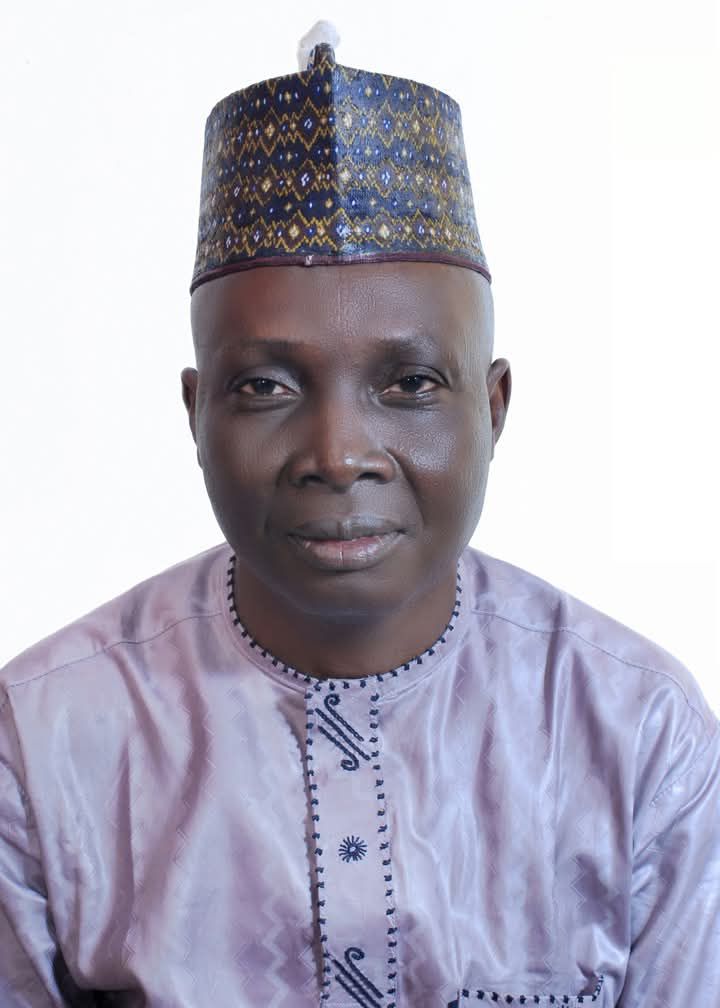
By Ali Abare
Nigeria is going through tough but necessary economic changes under President Bola Tinubu, with the removal of fuel subsidies and the unification of exchange rates causing short-term hardship for many.
While these reforms have been painful, they were unavoidable given the country’s dire financial situation before Tinubu took office. For years, fuel subsidies drained billions of dollars from the national treasury, and the old exchange rate system encouraged corruption and artificial scarcity.
The new policies, though difficult, are designed to stabilize the economy in the long run. The savings from subsidy removal are already being used for infrastructure and social programs like student loans, and the new exchange rate system has started attracting foreign investment.
Yet, instead of supporting these necessary reforms, some Northern politicians, particularly former Kaduna State governor Nasir El-Rufai and former Sokoto State governor Aminu Tambuwal, are leading a coalition against Tinubu ahead of the 2027 elections.
These political merchants claim to offer a better alternative, but their records in office tell a different story. When they had power, neither El-Rufai nor Tambuwal made the tough decisions needed to fix Nigeria’s economy.
El-Rufai, despite his reputation for austerity, depended heavily on federal funds while governing Kaduna, and Tambuwal failed to diversify Sokoto’s economy beyond basic agriculture. Now that they are out of power, they are suddenly criticizing policies they once supported.
El-Rufai’s opposition seems more personal than principled. After being rejected as a minister in Tinubu’s government, reportedly due to security concerns and corruption allegations, he turned against the administration, calling it incompetent.
This is the same man who praised Tinubu’s economic plans during the 2023 campaign. His sudden shift suggests bitterness over losing influence rather than genuine concern for Nigerians.
Meanwhile, Tambuwal has quietly aligned himself with Atiku Abubakar, another politician who has repeatedly run for president without success. Both men seem more interested in regaining power than in offering real solutions.
The coalition’s main argument is that Tinubu is neglecting the North, but this claim doesn’t hold up to scrutiny. The president’s administration has continued major projects in the region, including the Sokoto-Badagry Highway and the Kano-Maradi Rail line.
The real issue for El-Rufai and Tambuwal isn’t Northern development. It’s their own loss of political relevance. El-Rufai, once a close ally of Tinubu, is now bitter after being sidelined, while Tambuwal’s faction of the PDP has been weakened.
Their recent visits to former President, the late Muhammadu Buhari, a man they once criticized, show how desperate they are to rally Northern support by appealing to old loyalties rather than presenting new ideas.
Of course, Nigerians have every right to be frustrated with rising prices and unemployment. But going back to the old ways, restoring subsidies, or fixing exchange rates would only make things worse in the long run.
The International Monetary Fund (IMF) has warned that Nigeria’s debt could spiral out of control if reforms are abandoned. Even Buhari’s allies admit that his eight years in power left the country with deeper poverty and insecurity. If El-Rufai and Tambuwal truly cared about the North, they would be working with the government to ease the transition instead of exploiting hardship for political gain.
The truth is, this coalition isn’t about helping Nigerians. It’s about bringing back politicians who have already had their chance and failed. Tinubu’s reforms, though difficult, are at least an attempt to fix long-standing problems.
What are El-Rufai and Tambuwal offering besides empty promises? As 2027 approaches, voters should look past their rhetoric and ask whether these men have any real plan for Nigeria or if they are just trying to reclaim power for themselves. Indeed, Nigeria’s future depends on making the right choice.
Abare, a Muck Rack journalist, writes from Lafia, Nasarawa State.
 nasarawaeye.com