
By Rayyanu Bala
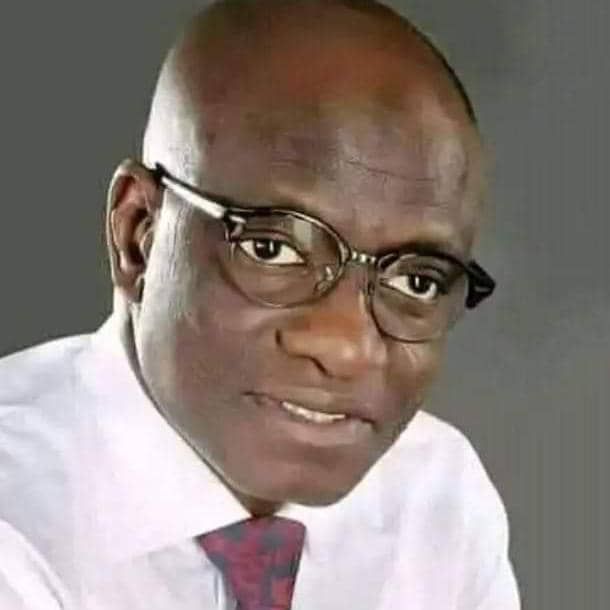
It is not an overstatement to say that political campaigns across the globe have evolved into sophisticated, media-driven operations. Against this backdrop, Senator Wadada, a cosmopolitan politician, deemed it wise to sponsor a workshop on media strategy, aligning with international best practices from advanced democracies.
The workshop, held on Thursday at Nasarawa State University in collaboration with the Department of Mass Communication, was a commendable step in the right direction. It offered a glimpse into how politicians can benefit from strategic communication methods employed in countries such as the United States, the United Kingdom, and France.
With the theme “Equipping the Media Team with Required Knowledge for Media Engagements,” the event brought together academics and media professionals who delivered insightful presentations on key aspects of political media strategy: image branding, countering fake news, multilingual messaging, and political storytelling. These are foundational elements of successful campaigns in mature democracies.
In such democracies, no serious contender enters the political arena without a fully coordinated media architecture. From Barack Obama’s data-driven media revolution in 2008 to Emmanuel Macron’s use of social media to bypass traditional media gatekeepers, the lesson is clear: those who master the media often master the message, and sometimes, the vote.
Senator Wadada, known for his foresight and commitment to progressive politics, has modeled his campaign strategy on what is obtainable in advanced countries, making the media an integral component. His political narratives are carefully crafted; every public appearance is synchronized with a larger communication plan, and digital platforms are used not just to disseminate information, but also to interact with constituents, gauge public sentiment, and adapt messaging in real-time.
His media team appears to be embracing this approach. The inclusion of presentations on crafting resonant narratives, managing multilingual messaging, and combating misinformation demonstrates an awareness of the complexity of modern political communication. More importantly, it acknowledges that Nasarawa voters, like their counterparts in advanced democracies, are increasingly influenced by how effectively a candidate tells their story, not just by the promises they make.
The era of relying solely on campaign posters and slogans is long gone. Today’s electorate, especially young voters, consume information across a wide range of platforms: Instagram reels, WhatsApp broadcasts, X (formerly Twitter) threads, and live streams on Facebook and TikTok. It’s no longer enough to simply have a media team, it must be coordinated, tech-savvy, and grounded in the psychology of persuasion. Fortunately, Senator Wadada has built such a team, and his decision to engage them in this workshop is proof of that.
Strategically held ahead of Senator Wadada’s expected 2027 gubernatorial campaign, the workshop acknowledges this shift in political communication. By anchoring the training in a university environment, the organizers added academic rigour and rooted the discussion in research-backed practices.
One of the most commendable aspects of the workshop was its emphasis on storytelling and the use of local dialects. While modern digital tools are essential, global examples, such as India, show that the most impactful political messages combine technology with cultural relatability. By equipping his media team to communicate in English, Hausa, and other local dialects, Senator Wadada is ensuring that his message doesn’t just travel far, it resonates deeply.
Much like in the United States, where candidates employ strategists to tailor messages to specific communities, Senator Wadada recognizes Nasarawa’s demographic diversity as an advantage. The workshop’s multilingual approach ensures that every ethnic group can engage with his campaign in their native language.
Though clearly geared toward the Senator’s 2027 gubernatorial aspirations, this initiative offers a model of how campaigns should be run: professional, strategic, and grassroots-oriented. Senator Wadada’s approach emphasizes communication, planning, and modern media techniques over outdated methods.
As one political analyst observed, the Keffi workshop reflects a forward-looking, proactive strategy. More broadly, it raises the standard for political campaigning in Nasarawa State, from noise and thuggery to professionalism and constructive media engagement.
Through this initiative, Senator Wadada has shown his intention to run a mature, issue-based campaign free from insults, violence, and character assassination. In doing so, he has not only positioned himself as a serious contender but also set a higher bar for political conduct in the state.
 nasarawaeye.com