
By Rayyanu Bala
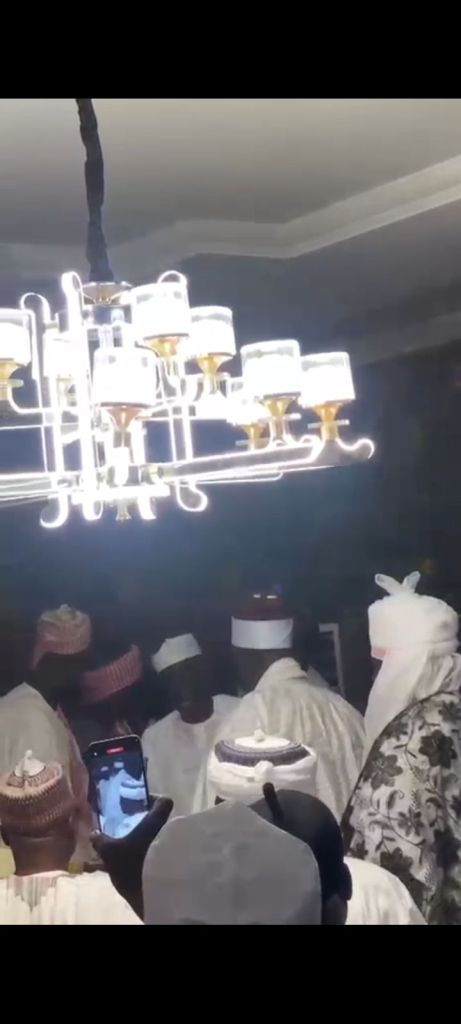
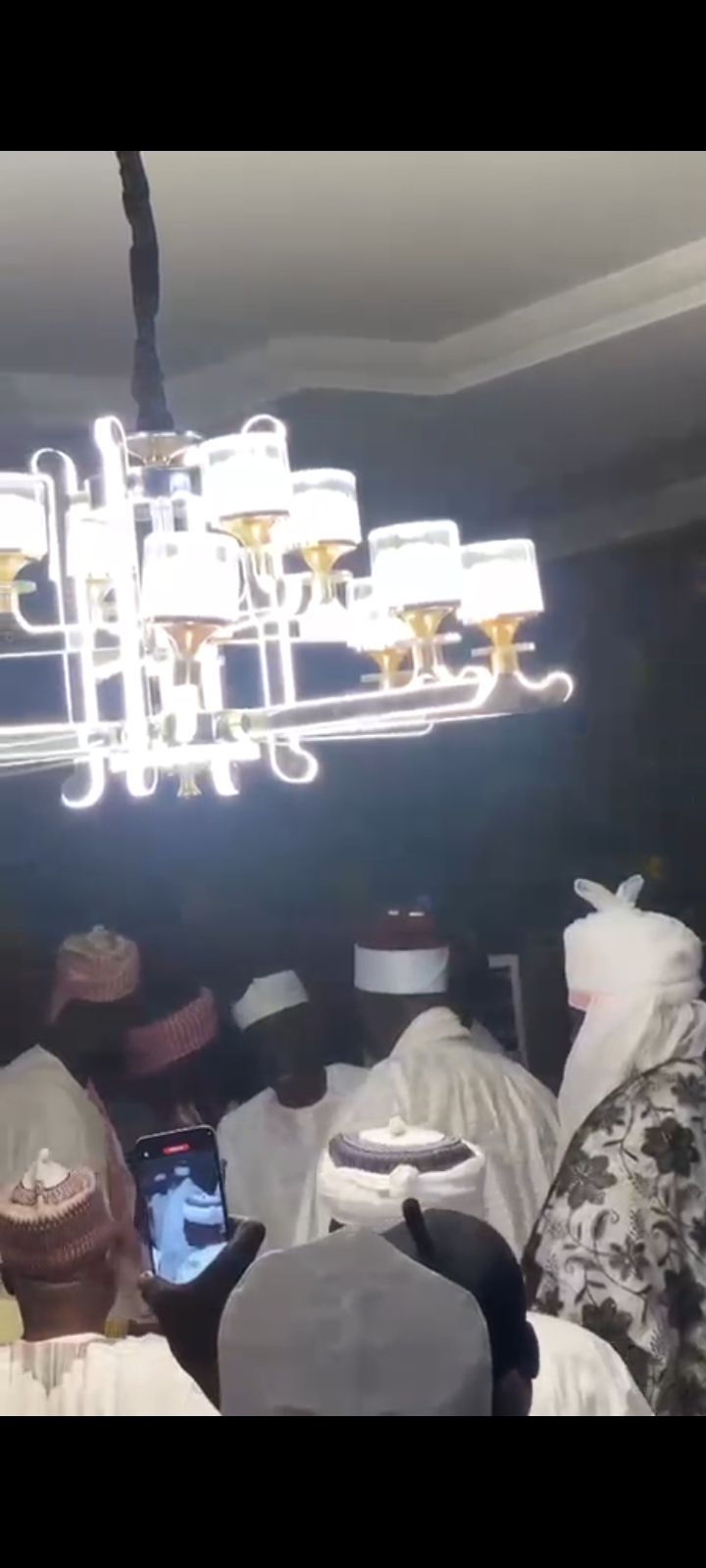
In a rare and deeply friendly gesture, Senator Ahmed Wadada Aliyu received a standing ovation at the palace of Emir of Lafia, Justice Sidi Mohammed Bage, an honour that speaks volumes about his growing influence, respect, and alignment with traditional leadership in Nasarawa State. The occasion, though seemingly modest in its premise, was just a courtesy visit to the Emir following a wedding ceremony at the Lafia Central Mosque which transformed into a powerful moment of political and cultural unity.
The event, followed the wedding of Daughter to the former Secretary to the Nasarawa State Government, Barrister Mohammed Ubandoma Aliya, held yesterday Saturday, was not just a gathering of dignitaries but a confluence of tradition, politics, and genuine respect. That Senator Wadada was not only praised but received a standing ovation notably joined by the Emir of Lafia himself is a testament to the senator’s unique but huge positioning in the socio-political fabric of Nasarawa state and beyond.
Palace courtiers, known for their measured and often conservative expressions, did not hold back in showering Senator wadada with a litany of praises. Their commendations were not merely ceremonial but deeply reflective of the appreciation the Wadada has garnered through his actions and affiliations. His gesture of paying homage to the Emir of Lafia underscores a vital but often overlooked quality in politics: humility and reverence for tradition.
In many parts of Nigeria, the chasm between elected officials and traditional institutions grows wider by the day. Yet, moments like this remind us that governance, at its best, is a blend of modern political mandates and age-old cultural structures. Senator Wadada’s approach suggests a deliberate effort to bridge that divide, positioning himself not just as a lawmaker and as an aspirant, but as a servant-leader grounded in the values of his people.
Moreover, the standing ovation especially with the Emir of Lafia himself participating one can interpret it as a significant endorsement. It goes beyond mere pleasantries; it signals confidence, trust, and perhaps an acknowledgment of leadership potential beyond the current office Senator wadada holds.
In a time where political figures often seek validation through noise, social media trends, or orchestrated public spectacles, Senator Wadada’s quiet but powerful moment in the Emir’s palace serves as a reminder: true respect is earned through presence, consistency, and cultural sensitivity.
As the political landscape continues to evolve in Nasarawa state , this moment may be remembered not just for the applause, but for what it represented, a harmony between tradition and progress, and Senator wadada as a leader understands the value of both.
 nasarawaeye.com