
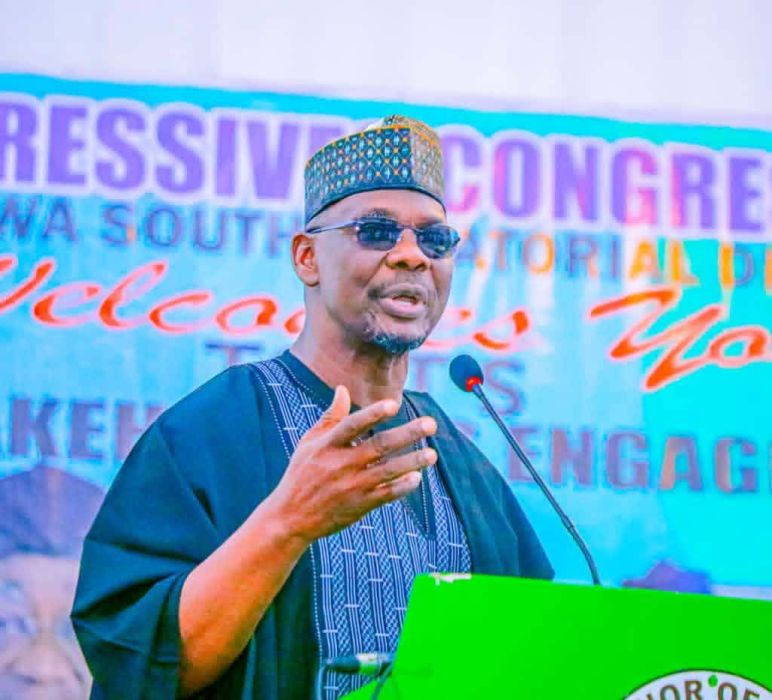
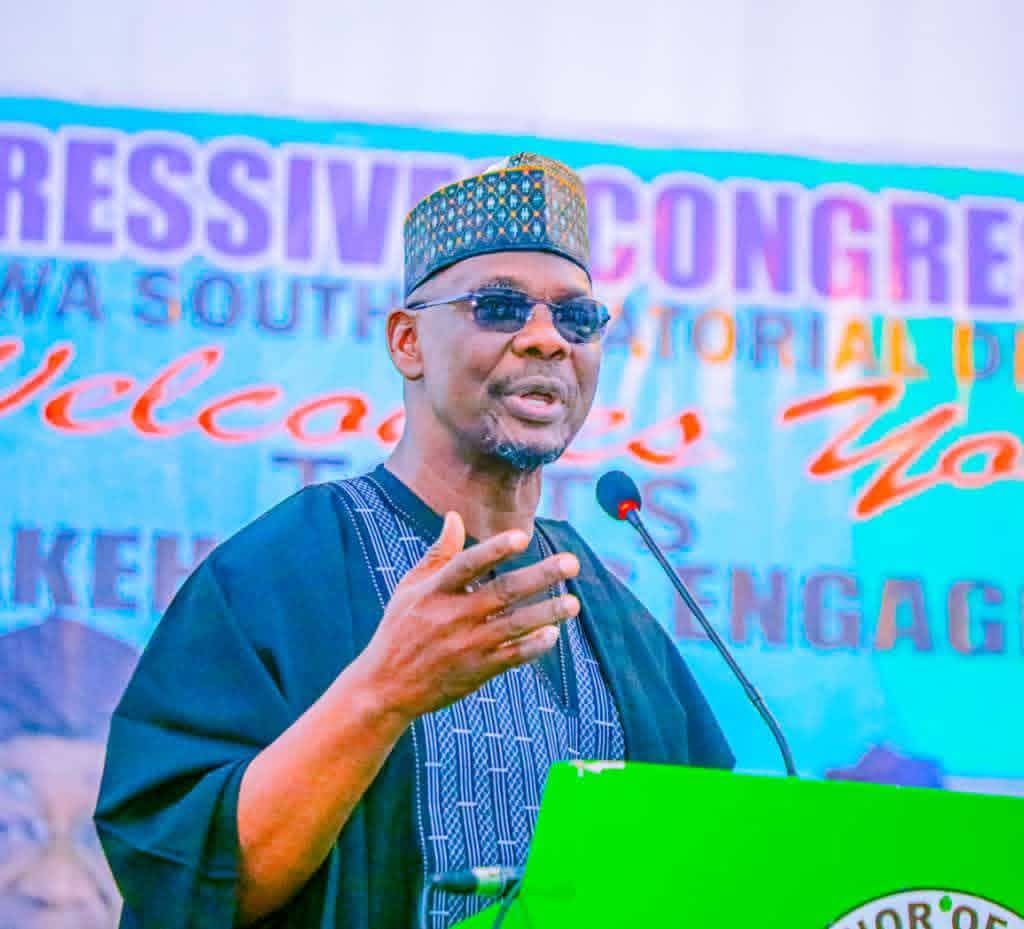
Governor Abdullahi Sule’s remarks at the Northern Nigeria Investment and Industrialisation Summit held in Abuja on Monday, could not have come at a more crucial time. Governor Sule’s frank and forceful call for Northern leaders to take full responsibility for the region’s worsening security situation is not only bold, but timely.
For far too long, Northern Nigeria has been mired in persistent insecurity ranging from banditry, kidnapping, and rural insurgencies to deadly communal clashes. Throughout this period, the response from many state governments has been a passive reliance on the federal government for solutions. The prevailing attitude has been to wait, to blame, and to defer. Governor Sule’s statement that “we must stop blaming anybody” and that “we are responsible for our security” marks a critical and necessary turning point in regional thinking.
Security, after all, is not just a federal concern, it is a prerequisite for local governance, economic development, and the preservation of human dignity. No meaningful investment, no matter how promising, can take root in an atmosphere of fear and lawlessness. Entrepreneurs will not risk capital, companies will not build infrastructure, and skilled workers will not relocate to areas where safety is uncertain. If the North truly wishes to harness the vast potential of its land, people, and natural resources, particularly in sectors like agriculture, solid minerals, and agro-processing then peace must come first. And peace must be built from within.
Governor Sule also hit the nail on the head when he emphasized the need for smart, strategic investment tailored to the unique strengths of each state. It is impractical, and frankly counterproductive, for every state to chase the same industrial dreams without regard for competitive advantage. Not every state needs a rice mill or a tomato factory. Some should focus on mining, others on livestock, and still others on logistics, renewable energy, or specialized manufacturing. What is required now is bold vision and sharp focus by investing in what works, where it works.
This is particularly pertinent given the new fiscal landscape. Recent economic reforms at the national level, especially the removal of fuel subsidies and foreign exchange unification have freed up significantly more funds for state governments. Governors now have a real opportunity to drive change and invest in both hard and soft infrastructure, including state policing, rural road networks, agricultural value chains, and vocational training. With increased fiscal space comes greater responsibility. There are no more excuses.
Ultimately, the message from Governor Sule is one of accountability and commitment. The North must stop waiting for Abuja to solve its problems. The region must own its challenges and its solutions. That means strengthening local intelligence networks, empowering traditional institutions, investing in youth, and forging inter-state cooperation to share resources and intelligence.
It is time for Northern leaders to abandon short-term political calculations and commit to long-term regional development. The stakes are too high, and the consequences of inaction are too severe. Insecurity is not just a threat to lives, it is a barrier to prosperity, innovation, and human development.
Governor Sule has spoken truth to power. The question now is: who among Northern leaders will listen and act?
 nasarawaeye.com