
By James Abakwa
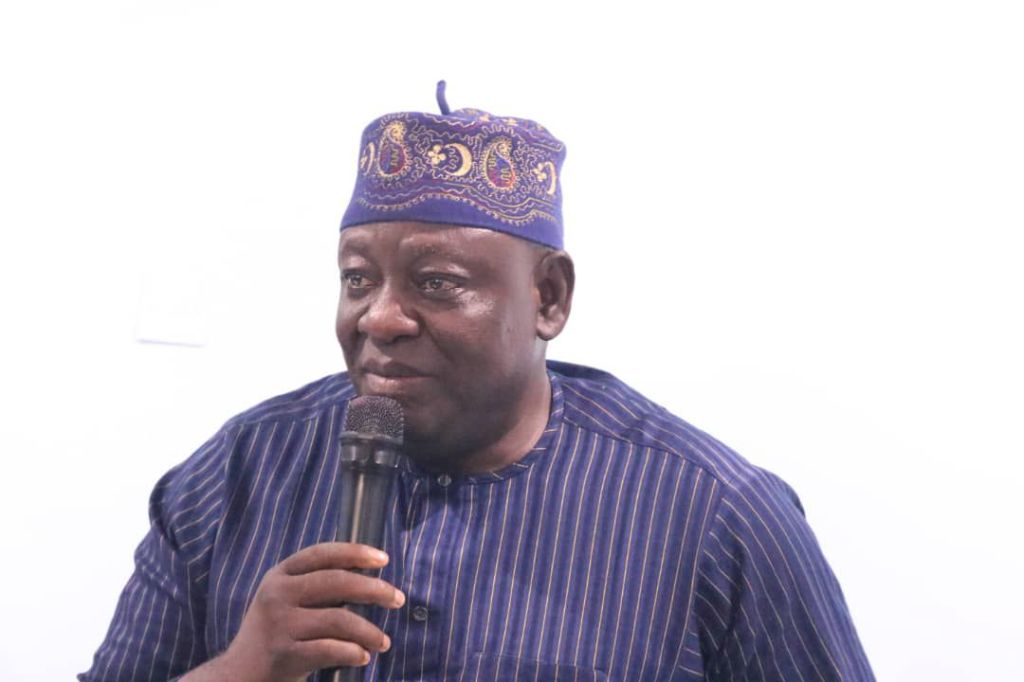
As the 2027 governorship election in Nasarawa State draws closer, the political climate is becoming increasingly active, with aspirants emerging from various corners of the state. Among the voices shaping political discourse is Dr. Aliyu Bello, the Chairman of the All Progressives Congress (APC) in Nasarawa State. Dr. Bello has consistently emphasized the importance of continuous assessment, a principle rooted in academia but now gaining relevance in political evaluation.
His theory of “political continuous assessment” deserves more than a passing glance; it calls for deep reflection. As the second-in-command in the APC’s hierarchy in Nasarawa State, Dr. Bello’s insights carry weight. More importantly, his continuous assessment theory offers a progressive framework for evaluating those vying for leadership not through occasional grandstanding or seasonal campaigns, but through a consistent, measured, and people-centered review of performance and character.
Traditionally, political aspirants in Nigeria have been assessed based on popularity, financial influence, or last-minute campaign promises. This outdated model has failed to produce consistent developmental results, often empowering individuals who lack vision or public accountability. Dr. Bello’s model flips that narrative by insisting that political ambition must be backed by continuous public engagement, demonstrated competence, and measurable progress.
Under a political continuous assessment system, aspirants would be evaluated on a series of criteria over time:
- Community engagement
- Policy articulation and follow-through
- Public service records
- Accountability and transparency.
Just as in academic settings, where a student’s progress is tracked through quizzes, assignments, class participation, and projects, a politician’s journey should be monitored through public initiatives, leadership consistency, constituency feedback, and development efforts, even before formal campaigning begins.
Every aspirant brings different strengths to the political table, some may be visionary planners, others grassroots mobilizers, good administrators, while others are only deceivers. Political continuous assessment creates room for these differences to be recognized and appreciated. It allows the party to identify candidates not merely based on money or campaign posters, but through a cumulative record of action and contribution to public life.
This approach levels the playing field. It ensures that those who have been quietly impactful, those building schools, sponsoring bills, mentoring youth, or standing firm on community issues are not overshadowed by wealthier or more flamboyant contenders. It moves politics away from deceit to performance.
One of the key strengths of continuous assessment is the opportunity for real-time feedback. Politicians under this model are not allowed to “cram” their public engagements only during election seasons. Instead, they are evaluated over time, with the political party acting as assessors.
Party officials must begin to act as educators do in the classroom by offering feedback, raising concerns, highlighting gaps, and recognizing progress. This fosters a culture of accountability and responsiveness that is often lacking in our current political environment.
As we look toward 2027, Nasarawa State must embrace the principles of political continuous assessment if it truly seeks to elect leaders of substance. Political parties, particularly the APC under the leadership of Dr. Bello, must begin internal evaluation mechanisms that align with this theory. Aspirants should be subjected to real scrutiny not just during primaries but consistently, from now until election day.
Equally, the political parties especially APC which is the ruling party in the state must rise to the responsibility of tracking and evaluating their prospective aspirants through their records of service to the people.
Dr. Aliyu Bello’s theory of political continuous assessment is more than just a clever metaphor; it is a roadmap for transforming political culture. It offers a structured, consistent, and inclusive means of evaluating leadership potential. By adopting this model, Nasarawa State can set a new precedent where governance is not won by loud campaigns but earned through visible, continuous commitment to the people.
In a democracy, political parties are the ultimate assessors of progress and accountability. It’s time we embraced that role, not just during elections, but every step of the way. Let 2027 be the year Nasarawa makes an informed choice, guided by the power of continuous assessment.
 nasarawaeye.com