
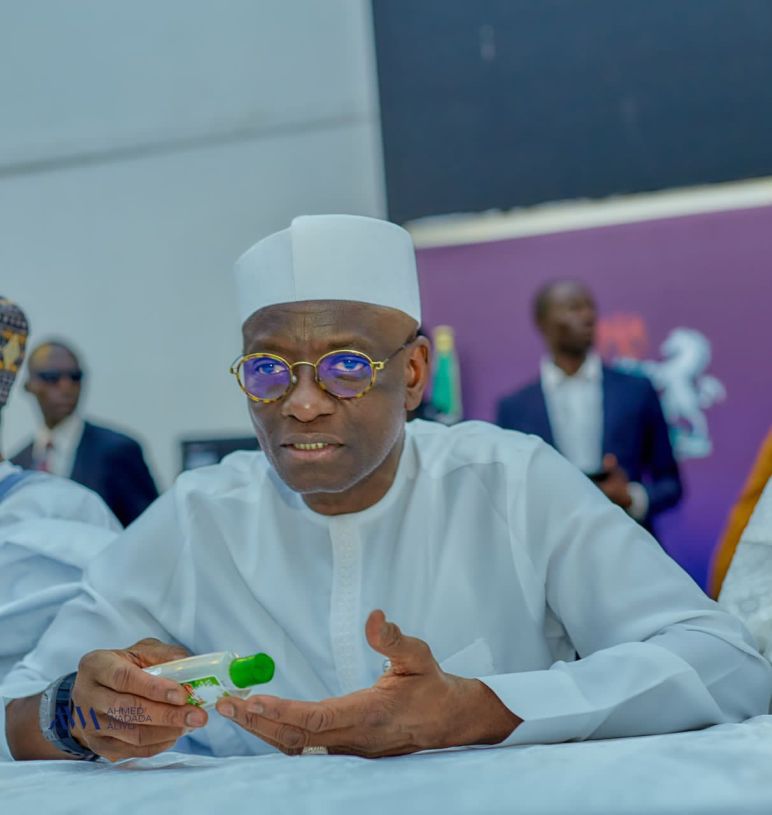
By Dr. Idris Keana
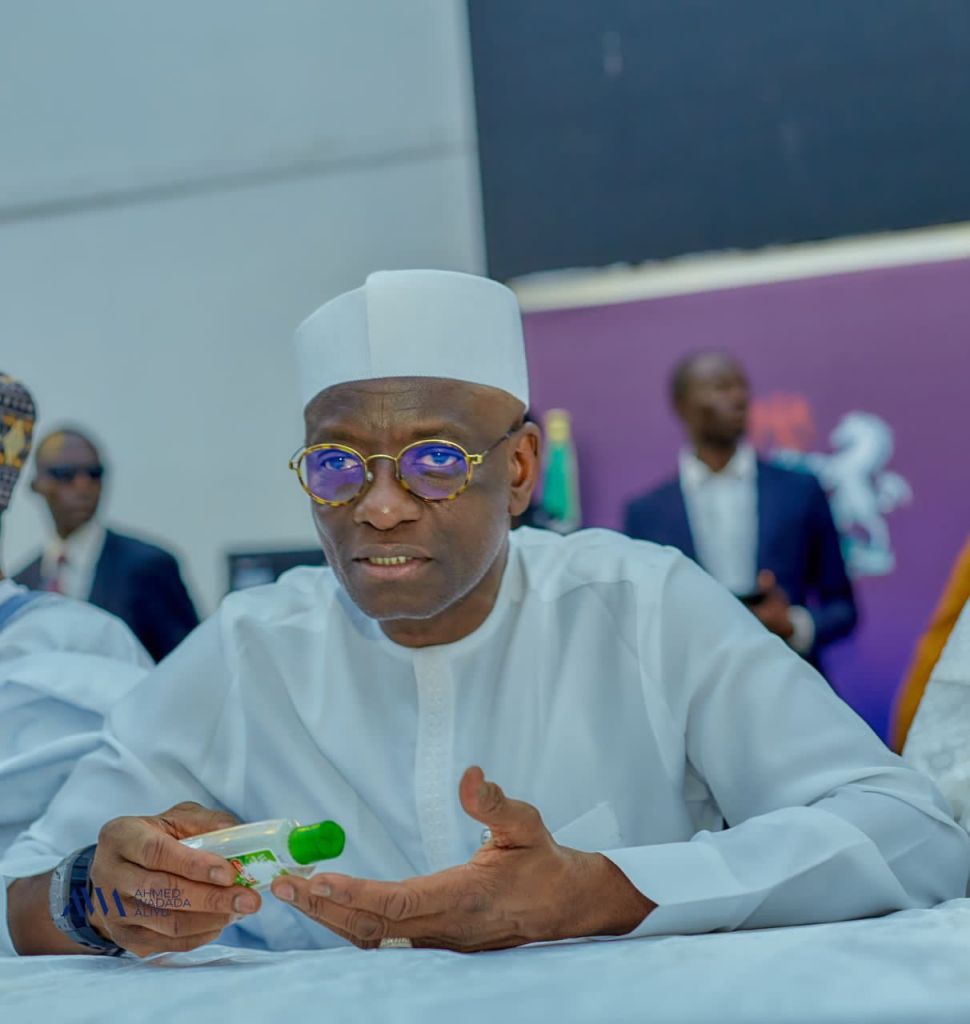
A recent publication titled “Activist Petitions INEC, Seeks Wadada’s Disqualification From 2027 Guber Over Alleged Breach Of Electoral Act” has generated public discussion within and beyond Nasarawa State. While citizens have the constitutional right to petition public institutions, it is imperative that such petitions are guided by facts, not political sentiments or misinterpretations of the law.
The petition by one Abdullahi Suraj Musa, alleging that Senator Ahmed Aliyu Wadada has violated the Electoral Act by “commencing campaigns ahead of time,” is not only legally untenable but also politically motivated. It represents a worrying trend where political participation is increasingly misconstrued as electoral malpractice.
Understanding the Law Beyond Headlines
Section 94(1) of the Electoral Act 2022 indeed prohibits open campaigns before the stipulated 90-day window preceding an election. However, it is misleading to equate every form of political communication or public engagement with a campaign. The law clearly distinguishes between consultations, civic engagements, and formal campaign activities.
No evidence has been presented that Senator Wadada has embarked on activities that meet the legal threshold of a campaign — such as the public solicitation of votes, distribution of campaign materials, or organized rallies. Instead, the Senator’s engagements have been largely legislative and community-oriented, reflecting his ongoing mandate as the representative of Nasarawa West Senatorial District.
Legal and historical precedents reinforce this distinction. In 2018, accusations of early campaigns against former Vice President Atiku Abubakar and then-Governor Nasir El-Rufai were dismissed by INEC and legal analysts for lacking evidentiary and legal merit. Nigeria’s democracy must, therefore, learn to separate lawful political expression from unfounded electoral hysteria.
Selective Activism and the Politics of Distraction
The timing and tone of this petition suggest selective activism rather than genuine concern for electoral integrity. Political consultations and strategic alliances are already taking place across Nigeria as 2027 draws closer. Yet, no similar petitions have been raised against other political figures engaging in comparable activities.
Why, then, should Senator Wadada — a respected lawmaker known for his humility, philanthropy, and legislative performance — be singled out? Such selective petitions risk turning activism into a political weapon rather than a tool for democratic accountability.
If Nigeria is to uphold the sanctity of the Electoral Act, enforcement must be even-handed and free from political manipulation. Targeting one politician while ignoring others erodes public confidence in both activism and electoral oversight.
Wadada’s Record: Service, Not Campaigning
Since his election to the Senate, Senator Wadada has maintained an active presence in his constituency through educational interventions, youth empowerment programmes, and infrastructural support. These initiatives are consistent with his constitutional duty to represent, legislate, and facilitate development — not indicators of pre-election campaigning.
It is intellectually dishonest to interpret community service or developmental visibility as electoral ambition. If service delivery now qualifies as campaigning, then Nigeria risks discouraging elected officials from engaging their constituents between election cycles.
INEC’s Role and the Need for Democratic Maturity
The Independent National Electoral Commission (INEC) must remain focused on its core responsibilities: ensuring credible elections, strengthening institutional transparency, and enforcing the law with impartiality. Entertaining politically motivated petitions without substantiated evidence would set a dangerous precedent.
INEC’s credibility lies in its ability to rise above political theatrics. Rather than being drawn into premature accusations, the Commission should continue working towards addressing real threats to electoral integrity — such as vote-buying, internal party manipulation, and voter suppression.
Conclusion: Democracy Thrives on Engagement, Not Intimidation
Senator Ahmed Aliyu Wadada’s growing popularity and people-centered approach have undoubtedly unsettled certain political interests ahead of the 2027 elections. But democracy is not strengthened by fearmongering or attempts to silence credible voices.
Nigeria’s democracy must learn to reward visibility, performance, and public service — not vilify them. Political engagement, consultations, and civic interactions remain constitutional rights, not offences.
If this petition teaches us anything, it is that some fear the rise of authentic leadership more than the breach of any electoral law.
 nasarawaeye.com