
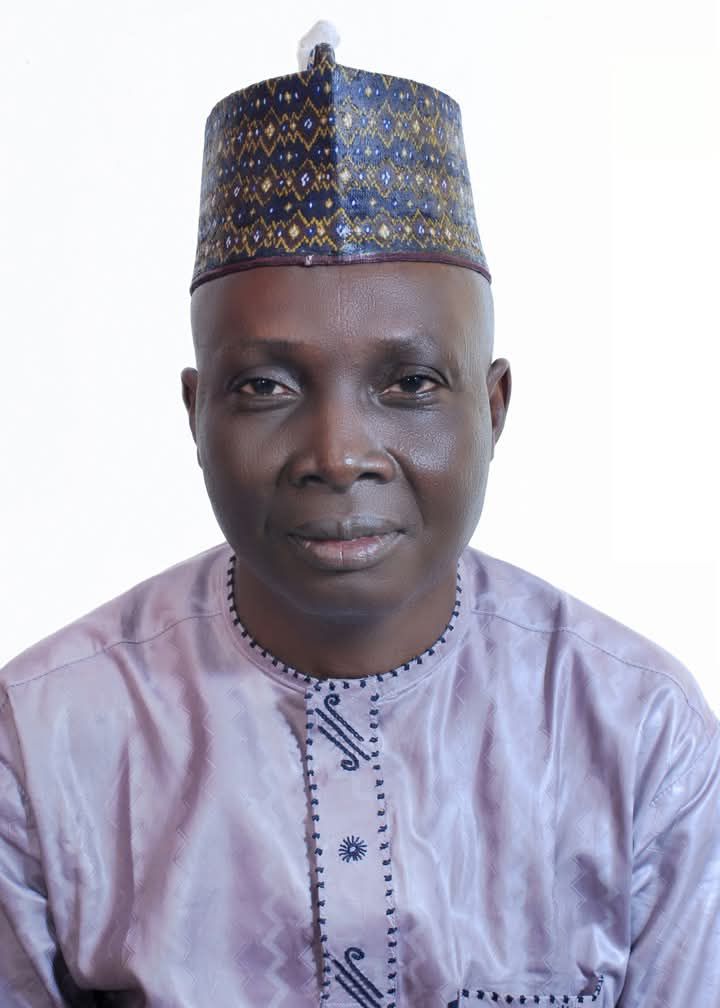
By Ali Abare
While elections are still years away, the political landscape in Nigeria is beginning to take a familiar shape.
A combination of decisive, albeit painful, economic reforms and a fragmented opposition is increasingly positioning President Bola Ahmed Tinubu for a potential second term in 2027.
Despite facing significant challenges, particularly regarding security and the cost of living, the administration’s strategic moves and the disarray among its political rivals are creating a pathway for continuity.
The foundation of this outlook lies in the bold fiscal decisions taken at the start of Tinubu’s presidency. The removal of the long-standing fuel subsidy and the unification of the country’s multiple exchange rates were seismic shocks to the economy, triggering a severe cost-of-living crisis.
These reforms, however painful in the short term, were coined by the administration as necessary surgery to rescue the nation from fiscal collapse. This narrative has found a crucial audience: state governors.
Governors from the ruling All Progressives Congress (APC) have publicly aligned their state policies with these federal reforms, vowing unified action to extend the benefits to every ward nationwide.
This creates a powerful, coordinated political front, with the number of APC-controlled states growing to 24, further consolidating the party’s nationwide machinery.
Economically, the administration is projecting ambitious goals aimed at showing citizens a light at the end of the tunnel.
President Tinubu has set a target of achieving seven percent annual economic growth by 2027, with an even more audacious vision to expand the economy fourfold by 2030. To power this growth, a major focus is being placed on building a digital workforce.
Initiatives like the 3 Million Technical Talent (3MTT) programme aimed at training young Nigerians in critical tech skills, with the goal of creating two million jobs and positioning Nigeria as an exporter of talent.
The programme, which has drawn applications from every local government, is presented as a direct investment in the nation’s most valuable asset—its youth—and a cornerstone of future prosperity.
However, the brightening political prospects are not solely due to the ruling party’s actions. They are equally illuminated by the profound disarray within the opposition. The once-dominant Peoples Democratic Party (PDP) remains weighed down by deep internal divisions and leadership crises that originated from its 2023 presidential primaries.
The party is burdened by a long-standing leadership vacuum and intense rivalry between powerful blocs, which has thinned its grassroots strength and left it unable to project a united front or coherent alternative to voters.
Efforts to form a formidable coalition to challenge the APC have so far been characterized by what observers call “one motion without movement”. Key opposition figures, including former Vice-President Atiku Abubakar and former Labour Party candidate Peter Obi, have explored uniting under the banner of the African Democratic Congress (ADC).
Yet, this potential alliance is hamstrung by unresolved personal ego, unrestrained ambition, and desperation. The fundamental question of which region should produce the presidential candidate has led to North-South recriminations, with Obi’s spokesman stating his principal is “not ready to settle for anything less than the presidency”.
This standoff contrasts sharply with the APC’s historical ability to settle such zoning matters decisively during its own merger in 2013.
The Labour Party, which surged in popularity in 2023, buoyed by the Endsars protesters, is also weakened by internal strife, fragmented into competing factions and lacking clear leadership.
The ADC itself acknowledges that its primary concern is building a basic nationwide structure, not selecting a presidential candidate, highlighting the opposition’s lack of foundational readiness.
This widespread instability has led critics to question the opposition’s grasp of political reality, with some noting that unlike Tinubu who spent years building alliances when in opposition, current rivals seem to simply want power without the necessary groundwork.
Yet, a formidable challenge to this narrative of inevitable re-election persists: the twin issues of insecurity and economic hardship. Security remains a critical vulnerability. In the northwest, activities by bandits and kidnappers have created persistent fear, with reports of schools being shut down and families displaced.
While some citizens acknowledge the administration’s efforts, such as declaring security emergencies and increasing defence allocations, many feel the results are insufficient. Critics, including voices within the artistic community and opposition lawmakers, have openly questioned whether the current insecurity reflects the “Renewed Hope” that was promised, arguing that political ambitions appear to be placed above citizen welfare.
On the economic front, the initial reforms have led to what experts acknowledge as “the most severe cost of living crisis in generations”. Inflation, high interest rates, and a depreciated Naira continue to squeeze ordinary Nigerians.
Economic experts stress that for the reforms to gain broader public acceptance, the next two years must see a decisive tackling of insecurity to achieve food security, a more aggressive coordination of fiscal and monetary policy to curb inflation, and scaled-up investments in critical sectors like power and infrastructure.
The government is urged to channel savings from subsidy removals into education, health, and social safety nets to protect the poorest citizens.
President Tinubu’s political strength, therefore, exists in a tense balance with these pressing national trials. His party dismisses claims of steering Nigeria toward a one-party state, arguing that defections to the APC are a natural result of the opposition’s failure to govern itself effectively.
Meanwhile, opposition spokespersons counter that the ruling party is actively creating an environment where the 2027 election “appears to have been won and lost already,” aiming to leave Nigerians with no choice.
As the country looks toward 2027, the trajectory suggests a contest where an incumbent, fortified by painful but framed-as-necessary economic reforms and a unified political structure, faces a divided and struggling opposition.
The administration’s success in mitigating the daily hardships of Nigerians and making tangible progress on security will determine whether this early political advantage translates into a convincing mandate for another four years.
For now, the signs point toward a president consolidating power while the opposition scrambles to find its footing.
Abare, a Muckrack journalist, writes from Lafia, Nasarawa State.
 nasarawaeye.com