
By Rayyanu Bala
Some news doesn’t knock. It strikes.
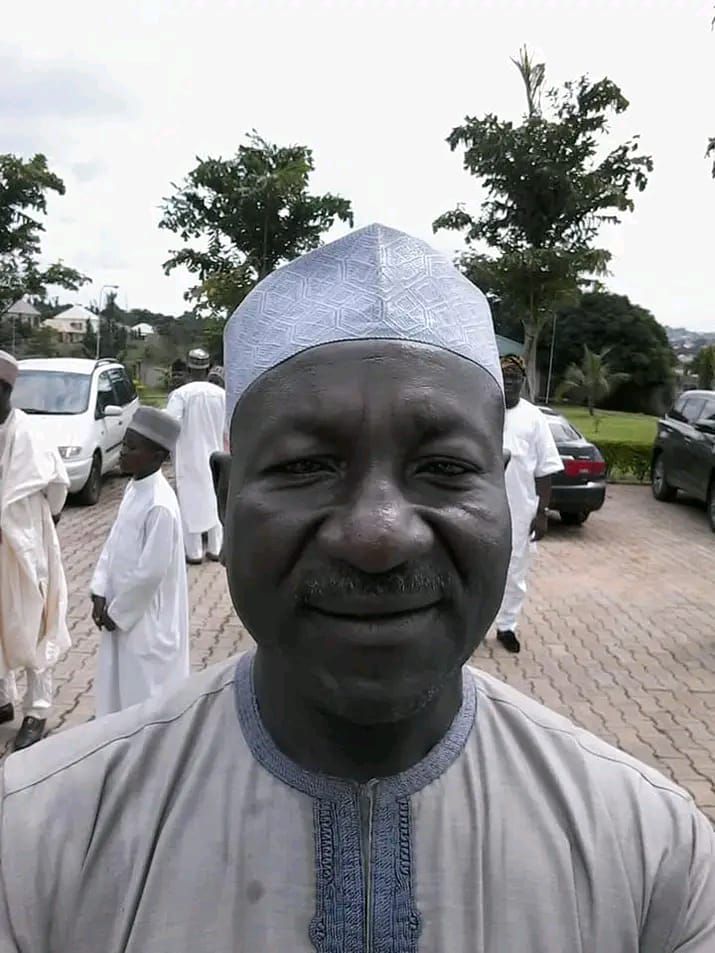
The death of our friend, Alhaji Mohammed Yusuf Al-barney, landed like a thunderbolt—sudden, loud, and disbelieving. It was one of those moments where your heart knows something is wrong before your mind can catch up.
Around 6 a.m. that Saturday, I saw a missed call from Kaura. Anyone who knows Kaura knows he wouldn’t call at that hour unless something was seriously off. I called back immediately. His words were blunt and unreal: “Al-barney is dead. We are with his body at Unguwar Doka.”
I shouted. I argued. I refused to believe him. This was the same Al-barney he had been with the night before at Zanna’s house. How does a life disappear between night and morning?
I called another friend, Mohammed Na-Ali Yallaboi, hoping, almost begging, for a different answer. Instead, he confirmed it, though even he sounded confused, saying he was already at Unguwar Doka and couldn’t find anyone. For a brief, foolish moment, we convinced ourselves Kaura must have lost his senses.
But grief has a way of catching up to you.
When Kaura later told me to come to Late Akuwa’s house, Al-barney’s elder brother, it finally sank in. That heavy realization settled quietly, the way truth often does when it can no longer be denied:
Al-barney was gone.
And with him went one of the humble kinds of people.
Mohammed Yusuf Al-barney was not loud. He didn’t announce his goodness or advertise his sacrifices. He was quietly strong, deeply humble, and endlessly giving. He served his friends with a loyalty that was almost unsettling in its sincerity, showing up again and again, treating people with respect and honour, as if their needs mattered more than his own.
He helped without keeping score. He forgave without making noise. He endured without complaint.
But here is the uncomfortable truth we must face: while Yusuf gave so much, he received very little in return.
There were moments when support—financial, emotional, or even just presence—could have eased his burdens. Some of us had the means. Some had the opportunity. Many did nothing. And Yusuf never asked. He never blamed. He carried his struggles silently, with dignity, even when a small intervention might have changed the direction of his life.
He left this world with little in material terms. And that fact should trouble us not because it diminishes him, but because it exposes us.
Because Yusuf’s true wealth was never money. It was character. It was compassion. It was service. It was humility. These are riches you can’t count, but they last longer than anything you can.
Let us not remember Yusuf Al-barney for what he lacked at the end. Let us remember him for what he gave all along. And more importantly, let his life challenge us, his friends, to look more closely at ourselves, let his life challenge us to support ourselves while we’re still breathing, and to never again allow our silent and patience to walk alone.
May the gentle soul of Mohammed Yusuf Al-barney rest in peace. Amin summah Amin.
 nasarawaeye.com