

By Mal. Abdulkarim Muhammad Abdullahi
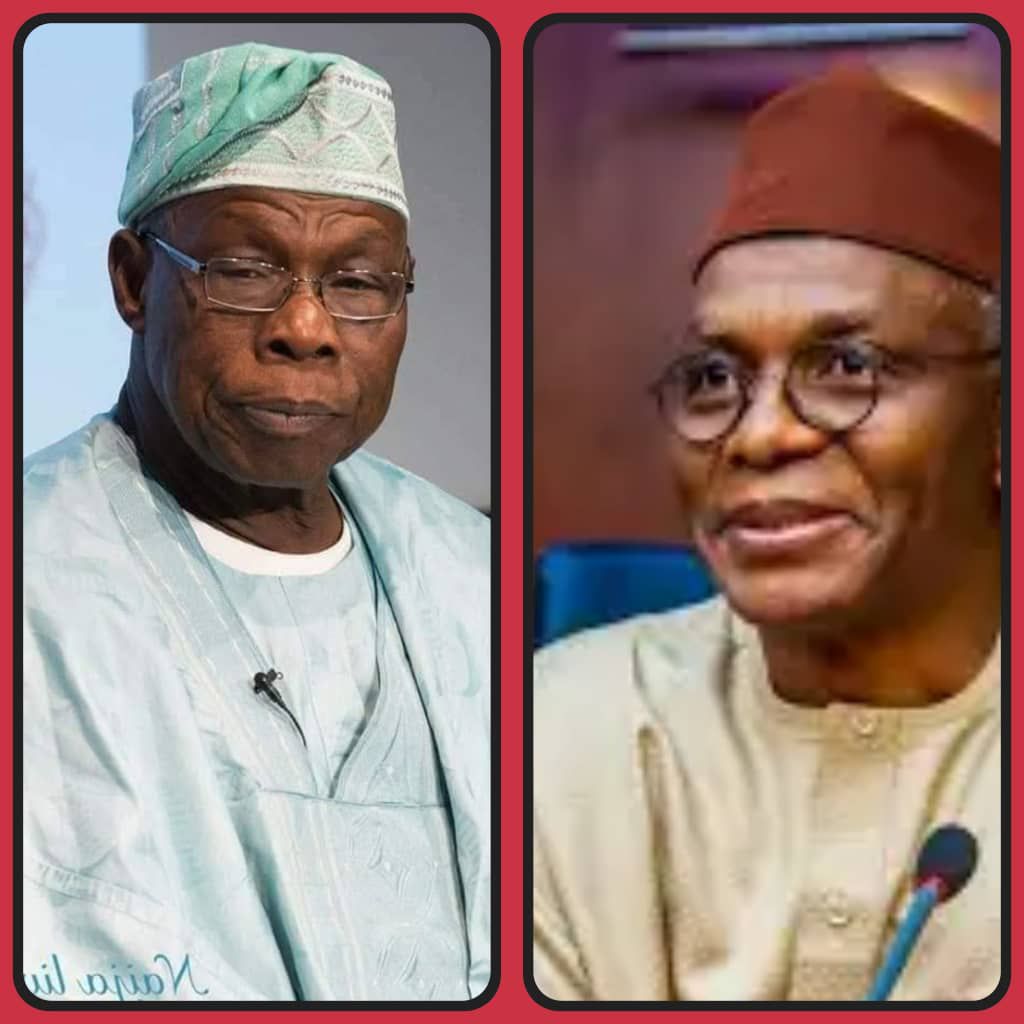
The political era of former President Olusegun Obasanjo remains one of the most contested chapters in Nigeria’s recent history. Many questions from that period have not been conclusively answered, and they continue to fuel debate, suspicion, and speculation across the country.
A number of analysts argue that certain policies and decisions taken under Obasanjo’s administration appear to weaken Northern political influence, undermine Islamic cultural institutions, and diminish the symbolic authority of the historic Sokoto Caliphate.
While some interpret these patterns as evidence of a covert political strategy, others maintain that they were simply standard power dynamics within Nigeria’s competitive political environment.
Alleged Political Engineering and Divide-and-Rule Tactics
One of the most debated claims is that Obasanjo subtly fragmented the North’s political cohesion by empowering select Northern politicians including Atiku Abubakar, Nasir El-Rufai, Sule Lamido, and Rabiu Kwankwaso in a manner critics describe as tactical containment rather than partnership.
According to this perspective, these figures became instruments in a broader political chess game meant to dilute Northern unity, weaken traditional power blocs, and reduce the region’s ability to speak with one voice.
This alleged strategy is often linked to a culture of internal rivalry and distrust that later permeated the People’s Democratic Party (PDP), especially during Obasanjo’s tenure as Chairman of the Board of Trustees.
Those who share this view believe that Northern Nigeria, once the stabilizing pillar of national consensus, has since experienced division, strategic isolation, and political incapacitation.
Unanswered Questions That Still Demand Clarity
Several unresolved issues continue to shape public perception of that era:
Why was the late Sunday Awoniyi’s presidential ambition reportedly frustrated during the Jos PDP Convention? What roles did Atiku Abubakar and other political actors allegedly play behind the scenes?
Why were Umaru Musa Yar’Adua’s early SDP presidential gains reportedly undermined, despite having support from influential southern figures, including then-Governor Bola Ahmed Tinubu?
Some observers view this moment as the origin of the long-standing rift between Obasanjo and Tinubu.
Why was Chief Audu Ogbeh removed as PDP National Chairman under intense pressure? Was it political misconduct, ideological disagreement, or as some allege, a refusal to compromise core northern interests?
These questions, whether answered or not, remain central to any honest evaluation of that political period.
The Jos Convention and the Collapse of a Historic Alliance.
Critics further claim that Sunday Awoniyi’s political momentum was derailed by powerful party interests loyal to Obasanjo, including Professor Jerry Gana, Brigadier-General David Mark and other influential voices within the PDP. They argue that ideological factions, described by some as anti-North or anti-Caliphate collaborated with campus-based activist networks, compromised leaders within the Nigerian Students’ movement and elements of the ASUU structure in Jos to tilt the balance of power.
This moment is described by many as the point where a potentially transformative coalition for national unity was dismantled. The alleged collapse of this alliance is also cited as the foundation of the Ayu–Atiku pact, which critics claim has echoed through the nation’s political history up to the present.
Conclusion
Whether these developments were part of a grand strategic design, normal power struggles within a young democracy, or misunderstood historical coincidences, one reality stands firm:
Northern political cohesion weakened. Trust eroded. National unity suffered.
Until these unanswered questions are confronted with transparency and sincerity, debates about Obasanjo’s era and allegations of political bias against the North and its Islamic cultural heritage, will continue to shape Nigeria’s political consciousness for years to come.
Mal. Abdulkarim Muhammad Abdullahi is a media analyst based in Abuja.
 nasarawaeye.com