
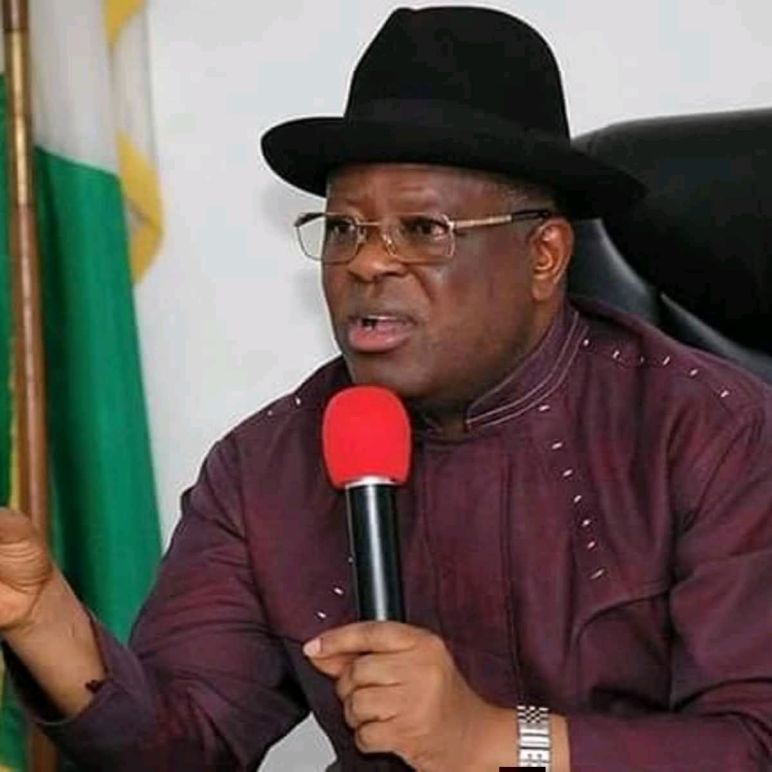
Yesterday, Friday, the Minister of Works, Engr. David Umahi, undertook his twelfth inspection tour of the ongoing rehabilitation of the Abuja–Keffi Road. During the visit, the Minister expressed total dissatisfaction with the quality and pace of work being carried out on the project. In a decisive move, he ordered the immediate removal of the Controller of Works for allegedly submitting false and misleading progress reports to the Ministry.
The Minister further directed that appropriate disciplinary measures be taken against the Controller for deliberately deceiving the Ministry and undermining the integrity of the project.
These actions and statements by Engr. Umahi signal a clear and commendable shift in the management of public infrastructure projects. By taking swift action against a senior official accused of issuing fraudulent certificates for incomplete—or non-existent—work, the Minister has drawn a firm line between tolerance and accountability. His message is unmistakable: the era of “business as usual” is over.
For years, Nigeria’s infrastructure sector has been plagued by abandoned projects, inflated contracts, poor supervision, and compromised standards. Roads are often commissioned only to fail within months, leaving taxpayers to bear the burden of inefficiency and corruption. Against this backdrop, Umahi’s intervention resonates strongly with a public tired of excuses and half-measures. His public and decisive response seeks to restore confidence in the Ministry’s oversight responsibilities and serves as a reminder that public office is a position of trust, not entitlement.
By giving the construction firm a firm deadline of February to complete the project, the Minister has once again demonstrated resolve. This deadline must not be shifted under any circumstances. Accountability must be enforced not only in words but in action, to ensure value for public funds and durable infrastructure for citizens.
In the same vein, severe punishment must be imposed on any official found guilty of deliberately misleading the Ministry. Only through consistent enforcement of discipline and transparency can Nigeria begin to reverse the cycle of failed projects and rebuild trust in public institutions.
 nasarawaeye.com