
By Our Reporter
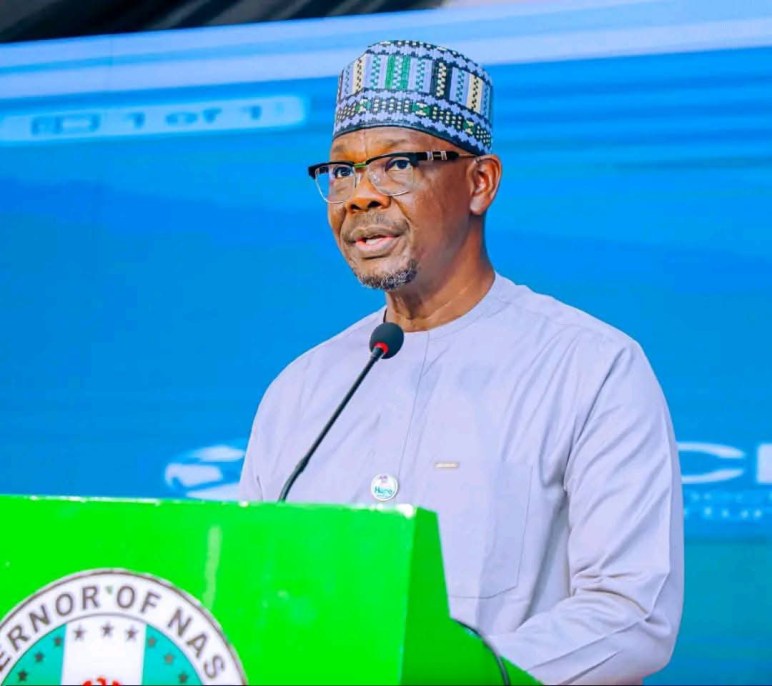
Nasarawa State took a major step toward agricultural industrialization on Wednesday as Governor Abdullahi A. Sule performed the groundbreaking ceremony for the N30 billion Sequoia Cassava Industrial City (SCIC) in Kokona Local Government Area.
The 10,000-hectare project, described by the state government as the “Green Gold City,” is designed to transform cassava production from subsistence farming into a full-scale agro-industrial value chain. Once operational, the facility will process cassava into high-grade ethanol, pharmaceutical-grade starch, sweeteners, and animal feed.
Governor Sule said the initiative represents a strategic shift from reliance on oil revenues to sustainable agro-based industrial growth.
“This is how we kill poverty,” the governor declared at the ceremony attended by traditional rulers, financial stakeholders, farmers, and government officials. “We are not just planting cassava; we are planting industries.”
A key component of the project is its outgrower scheme, which aims to empower 500 farmers, with at least 80 percent of the slots reserved for women. Beneficiaries will receive high-yield, disease-resistant cassava stems, fertilizers, and technical support, alongside guaranteed off-take agreements intended to eliminate post-harvest losses.
One of the prospective beneficiaries, a local farmer and mother of five, described the initiative as transformative. “This is our land. This is our time. For once, the money will go into the hands of the women who actually work the land,” she said.
The President of the National Cassava Growers Association, Dr. Mustapha Bakano, who attended the event, hailed the project as a model for agro-industrial development across the continent.
“What we are witnessing in Nasarawa is the end of the era of subsistence farming and the birth of agro-industrialization,” Bakano said.
Representatives of leading financial institutions were also present, signaling private sector confidence in the state’s agricultural investment drive.
Nasarawa State Commissioner for Information, Culture and Tourism, Dr. Ibrahim Tanko, described the project as part of a broader vision to build a sustainable economy beyond oil.
“Governor Sule is building an economy that outlives administrations. While others chase oil volatility, we are processing stability. Cassava is our crude, and today, Kokona is our Port Harcourt,” Tanko said.
With the turning of the soil in Kokona, the state government says it is positioning Nasarawa as a hub for agro-processing and rural economic empowerment, marking what officials describe as a decisive move toward economic diversification.
 nasarawaeye.com