
By Rayyanu Bala
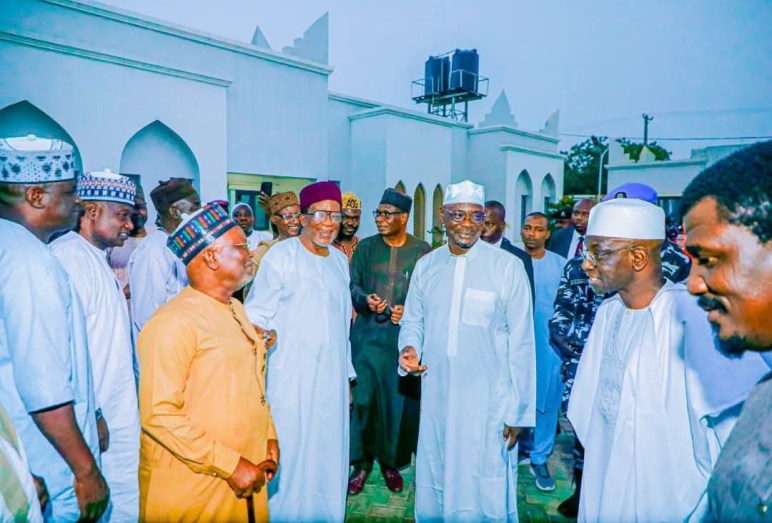
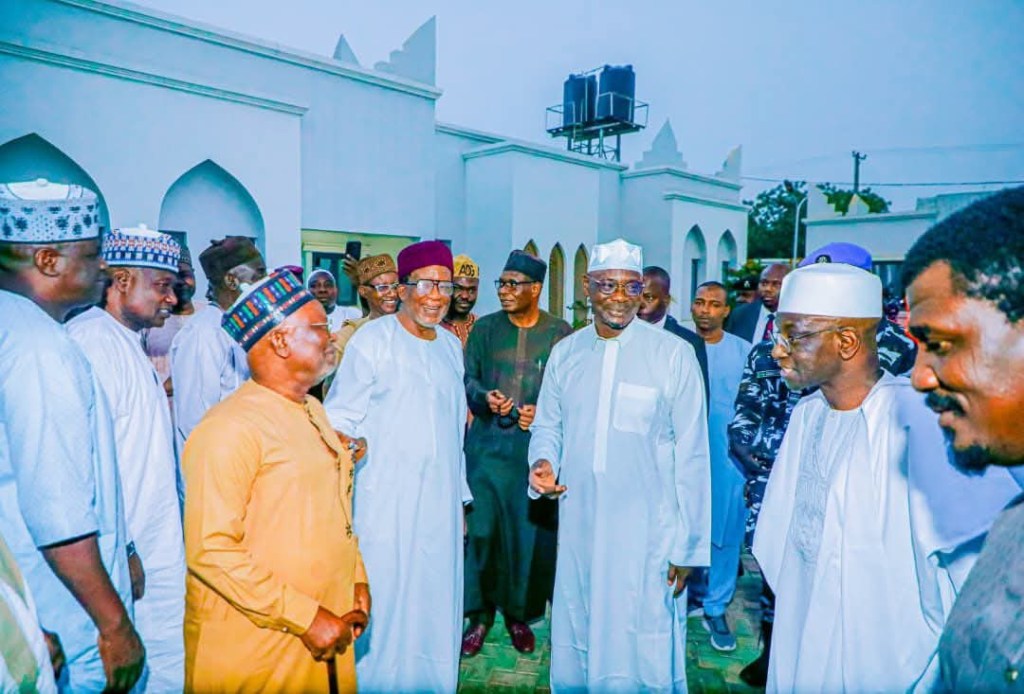
Both online platforms and social media were abuzz on Saturday with reports of the gathering held at the residence of the Wazirin Lafia, which attracted prominent personalities, including Governor Abdullahi Sule and Senator Ahmed Wadada Aliyu, among others.
The event was organized to break the fast, a tradition the Wazirin Lafia, a former Secretary to the State Government (SSG) in Nasarawa State and Ambassador-designate has maintained for over five years.
This year’s Iftar was particularly special and spectacular, coming at a time of political transition.
With the adjustment to the timetable for the 2027 elections, it is possible that the general elections could take place this year. As a result, Engr. Sule may be attending Wazirin Lafia’s Iftar gathering in his capacity as Governor of Nasarawa State for the last time in 2027. That possibility made this year’s annual Iftar even more significant and memorable.
Yes, the month of Ramadan has always been a month for fasting but It is also a season of reflection, humility, and quiet conversations that often shape big decisions. That was exactly the atmosphere when Senator Ahmed Wadada Aliyu joined Governor Abdullahi Sule at a special Iftar hosted by Ambassador Mohammed Ubandoma Aliyu.
What looked on the surface like a simple breaking of fast was, in truth, something deeper, a subtle but powerful moment in Nasarawa’s political journey.
The gathering brought together respected leaders and stakeholders in a serene, reflective setting. There were prayers, warm greetings, and thoughtful conversations. But beyond the spiritual symbolism of Ramadan, the event quietly reinforced an important political reality: Senator Wadada is steadily positioning himself as a natural successor to Engr. Sule in 2027.
Governor Sule, known for his calm leadership style and technocratic approach, has built a reputation as a cosmopolitan figure with wide-reaching connections across Nigeria’s political and business landscape. He understands power dynamics beyond Nasarawa’s borders. Interestingly, Senator Wadada shares the same quality. He is not confined to local politics; he maintains strong relationships with key players across the country, relationships that matter when it comes to attracting development and influence.
Both men are cut from a similar cloth.
They are widely regarded as accessible and compassionate leaders. Those who know Engr. Sule often speaks of his generosity and humane approach to governance. The same can be said of Senator Wadada. His grassroots reach remains one of his strongest political assets. From urban centers to rural communities, he has maintained steady engagement with the people not just during election cycles, but consistently.
That combination of cosmopolitan exposure and deep grassroots connection which both Governor Sule and Wadada have in common is very rare to find. During the Iftar, Senator Wadada’s remarks about Ramadan being a reminder of shared humanity and service did not sound like rehearsed political rhetoric. They reflected a leadership philosophy aligned with that of Governor Sule. Both men emphasize unity, cooperation, and inclusive governance. Both understand that leadership is not just about holding an office, but about building bridges.
Ambassador Ubandoma Aliyu deserves credit for hosting such a timely gathering. By bringing together political figures and community leaders in an informal yet meaningful setting, he created a space where relationships could be strengthened. In Nigerian politics, these quiet moments of fellowship often signal future alignments.
Governor Sule’s call for continued prayers for peace and development also carried weight. It felt like a statesman speaking not only about today, but about the future of the state he will eventually hand over. And in that room, among the faces present, Senator Wadada stood out as someone ready to carry that mantle forward.
Leadership transitions are rarely declared loudly years in advance. They evolve through shared values, mutual respect, and visible alignment. This Iftar reflected exactly that.
As Nasarawa looks toward 2027, conversations will inevitably intensify about continuity and consolidation of progress. If continuity is the goal, then Wadada’s positioning appears deliberate and organic. He embodies many of the qualities that have defined Sule’s administration, broad networks, compassion, accessibility, and a firm grasp of both grassroots realities and national dynamics.
Ramadan teaches patience and preparation. Perhaps this season is also preparing Nasarawa for its next chapter.
For now, it was just an evening of prayers, unity, and shared meals.
Most of the time, history begins quietly, just as it did that evening at Aliyu Ubandoma’s residence during iftar.
 nasarawaeye.com