
By Rayyanu Bala
Discussion surrounding who will succeed Governor Abdullahi Sule in 2027 has heated up to a feverish level ahead of the party primaries slated for April 23. Although the general elections are still some distance away, the question quietly circulating in markets, offices, tea joints, and political meetings is: Who comes after Governor Sule? And more importantly, who is the “maha” the one most likely to carry the mantle forward?
For many political observers, the name that keeps resurfacing in these discussions is Ahmed Wadada Aliyu .
Nasarawa politics, as we are all aware, has never been a one-man race. There are capable figures across the state, each with their own loyal political structures. But politics is about momentum and visibility, and in recent years Wadada appears to be at the forefront in both.
First, if we look at experience, Wadada’s political journey is not new. Over the years, he has built a reputation as someone who understands both grassroots politics and the workings of government. That dual exposure matters greatly in a state like Nasarawa, where voters increasingly expect leaders who understand their problems and have the ability to solve them.
Then there is his growing national platform. As a senator representing Nasarawa West, Wadada has gained a broader stage to demonstrate leadership and influence. Even though national visibility does not automatically translate into governorship success, it certainly strengthens a political profile. It signals reach, relationships, and relevance within the broader political establishment.
Another factor people quietly mention is network strength. Politics in Nigeria often runs on alliances across local government areas, traditional institutions, youth groups, and party structures. Wadada has spent years cultivating these networks. Whether through political loyalty, development advocacy, or simple accessibility, he has managed to keep his name circulating in many corners of the state.
Of course, none of this happens in a vacuum. The role of Abdullahi Sule will be decisive. As the sitting governor, his political signals, subtle or direct, will shape the direction of the ruling party and influence how the succession unfolds.
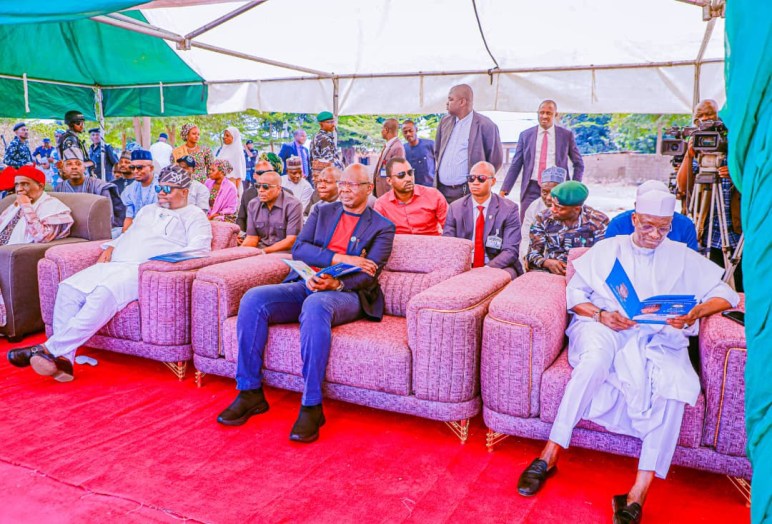
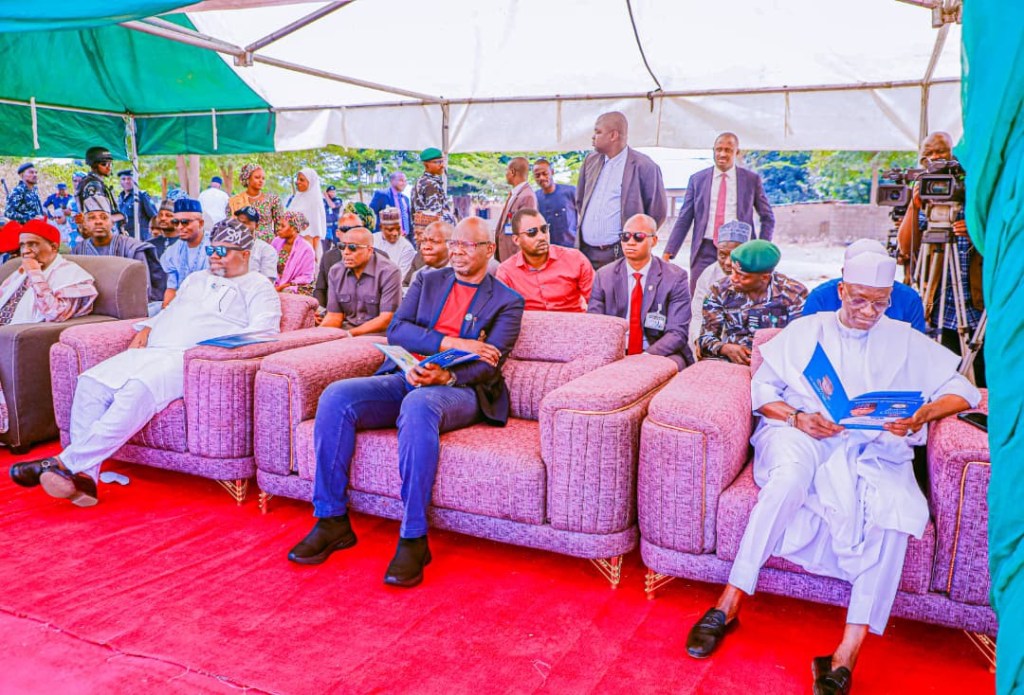
For example, at the groundbreaking ceremony for the construction of the Dalhatu Araf Specialist Hospital in Akwanga, Governor Sule said: “I might complete the first phase and not complete the second phase, but if the next governor is seated here, he will continue from where I stopped.”
Governor Sule cleverly did not directly point out his successor at the occasion, but he did what a Hausa man would call “hannunka mai sanda.” Instead of saying “who is sitting here,” he substituted the word “who” with “if.” And Governor Sule may have done that deliberately to avoid making his intention too obvious. Otherwise, were any other governorship aspirants invited to that occasion apart from Wadada?
This raises an important question: Why was only Wadada invited to the occasion? The question has become increasingly pertinent, as it appears to suggest a possible direction that Wadada may indeed be the “maha.”
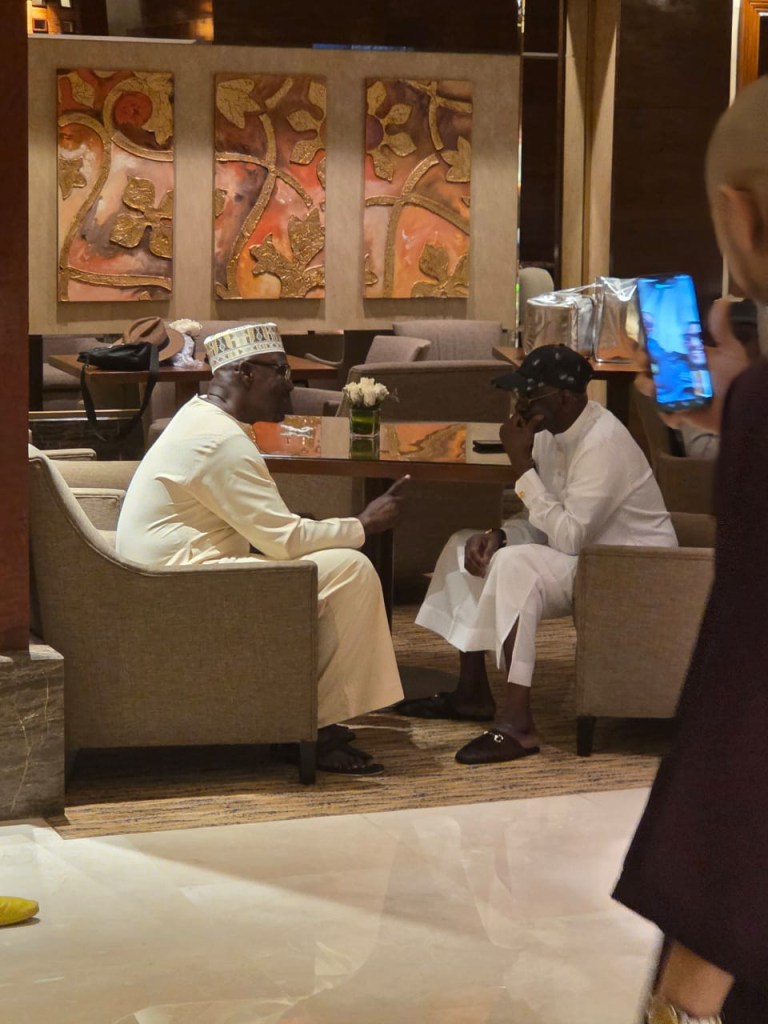
What appears even more intriguing is the meeting reportedly held behind closed doors between Engr. Sule and Senator Wadada in the holy city of Mecca, today. The meeting has fueled speculation that something significant may be taking place politically, possibly pointing in Wadada’s direction.
However, when the entire scenario is considered, Governor Sule will eventually make a political decision that many hope will favor Wadada. In fact, in several circles Wadada is already being described as the “maha,” the figure who could emerge as the most viable continuation of Engr. Sule’s political trajectory in Nasarawa State.
Whether that perception will solidify into reality remains to be seen.
 nasarawaeye.com