
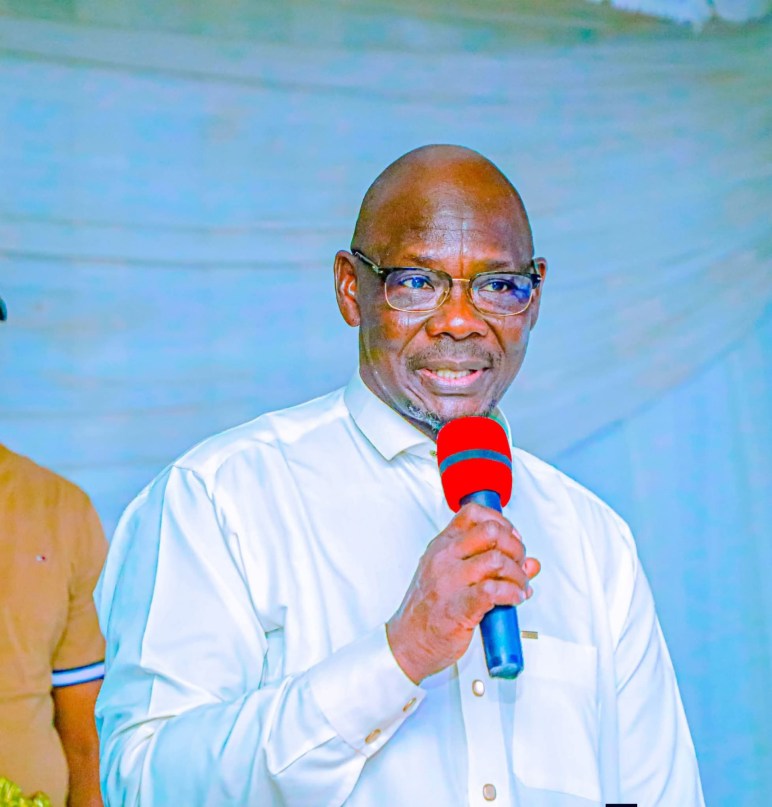
By Rayyanu Bala
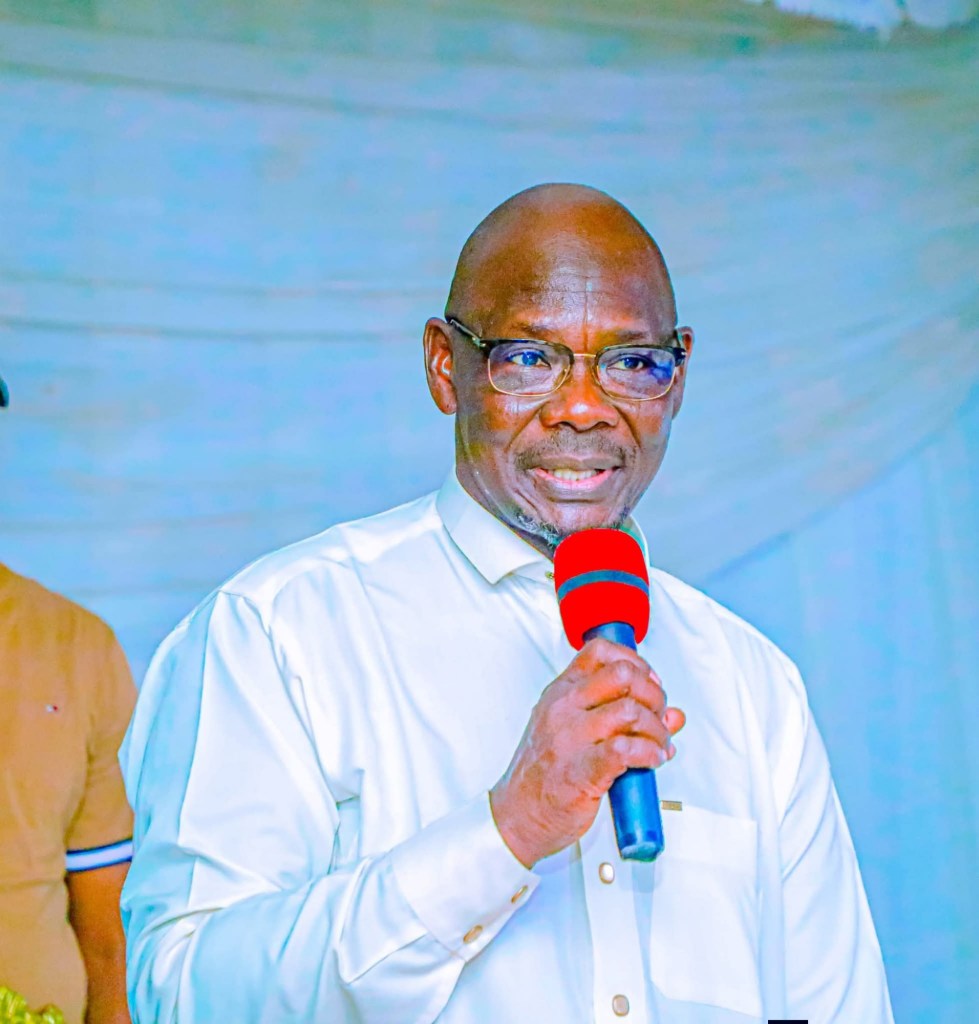
I have read several write-ups in which the authors express concern about Engr. Abdullahi Sule’s inability to publicly disclose his preferred candidate among the many individuals seeking to succeed him. They have also argued that time is of the essence.
Yes, all the points raised regarding the delay by Engr. Sule in naming his successor are valid, and they reflect the reality of succession politics not only in Nasarawa but across Nigeria. Indeed, no serious observer would deny that Governor Sule is under pressure—from within the state, from national power blocs, and from strong contenders like Ahmed Wadada Aliyu, Ahmed Musa, and Faisal Shuaibu. That much is obvious.
However, to be fair to Engr. Abdullahi Sule, the suggestion that he is “afraid” to name his successor or is “undecided,” as some claim, may not be entirely accurate. In fact, the opposite may be true. Some observers believe that Engr. Sule has already made up his mind. According to them, the signals are there. The alignments are visible. The body language is evident. In Nigerian politics, decisions such as naming a successor are rarely announced outright until the timing is right—but that does not mean they have not already been made.
Those who understand how power works in this environment already know where the pendulum is swinging. And those who claim otherwise? They are either being deliberately mischievous or simply choosing to interpret events in ways that suit their preferred narratives.
The delay by Engr. Sule in naming his successor should not, therefore, be mistaken for indecision. It is a strategy—pure and simple. Managing egos, investments, and expectations at this level is delicate work. As some writers rightly pointed out, these aspirants have committed enormous resources, and asking any of them to step down abruptly could fracture the party. What we are witnessing in Engr. Sule is not hesitation, but careful political choreography.
At the same time, the point about unity is critical. Before any formal declaration is made, there must be serious behind-the-scenes reconciliation. Leadership decisions of this magnitude carry consequences far beyond politics.
Still, we should not overcomplicate what is already unfolding in plain sight: Engr. Sule’s position is not as hidden as some people think. Those who are politically attuned already understand it. Those who claim they do not are free to keep “deciding” for themselves until the official moment arrives.
In the end, the real challenge is not whether a choice has been made, but how that choice is managed to ensure unity, stability, and ultimately, victory for the party.
I agree with those who believe that, in life, delay can sometimes be dangerous. However, in Abdullahi Sule’s case, the delay appears to be strategic.
This brings us to the insinuations circulating in certain quarters that any attempt to impose a candidate within the APC in Nasarawa State could lead to an “explosion.”
It is worth noting at this juncture that the All Progressives Congress in Nasarawa State is not a fragile house of cards waiting to collapse at the slightest disagreement. The APC is a structure that has been built over time through alliances, electoral victories, and the leadership of Engr. Abdullahi Sule. Like any political party, it has internal disagreements—but disagreements are not the same as disintegration.
Therefore, to suggest that any decision Governor Sule makes regarding his successor will automatically trigger an “explosion” is a flawed assumption. The APC is composed of members who are disciplined and politically mature.
It is also important to note that leadership influence in succession matters is neither new nor peculiar to Nasarawa. Across states and parties, outgoing governors often play significant roles in shaping who succeeds them. Sometimes it works seamlessly; at other times, it sparks minor disagreements—but it rarely leads to the kind of catastrophic collapse some are predicting.
Will everyone be satisfied? Certainly not. Some aspirants and their supporters may feel sidelined. A few individuals might even decide to leave the party. However, we should not exaggerate the impact of such exits. Political history shows that not every defection translates into electoral damage. In many cases, those who leave over internal disagreements do so without significantly affecting the party’s electoral strength.
The APC in Nasarawa is broader than any single aspirant or faction. Its base is rooted in communities, local structures, and a shared interest in retaining political relevance and power. That kind of foundation is not easily shaken by disagreements over candidacy.
More importantly, voters often prioritize performance, continuity, and stability over internal party disputes. If the party presents a candidate who aligns with the development trajectory of Governor Abdullahi Sule’s administration, many supporters are likely to stay the course, regardless of how that candidate emerges.
Thus, whatever decision Governor Sule makes is unlikely to trigger the kind of explosion being predicted. It may not even cause any ripples.
 nasarawaeye.com