
By Rayyanu Bala
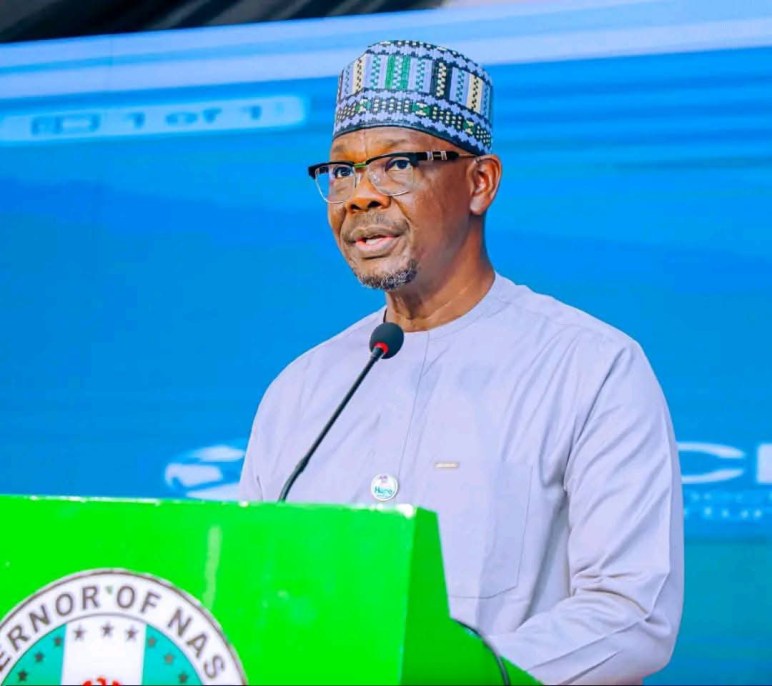
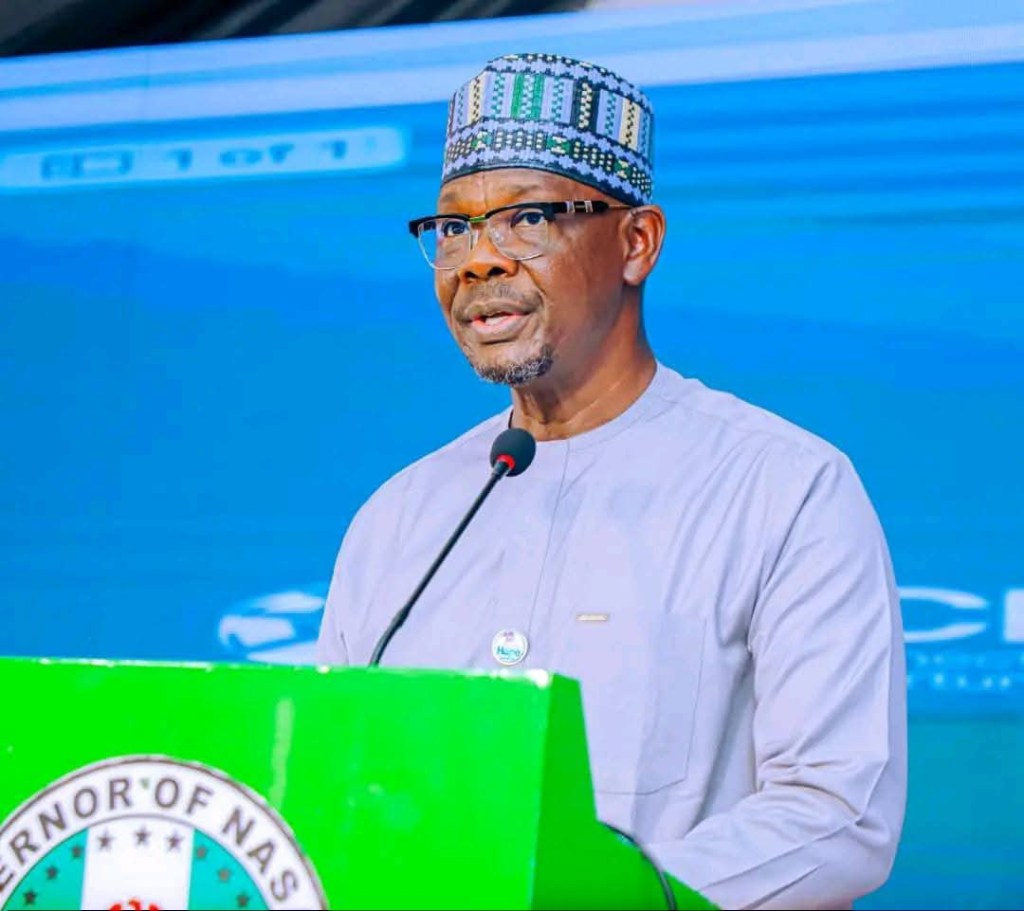
Media reports, though unconfirmed, suggest that Governor Abdullahi Sule yesterday in Gudi, in one of his speeches during Sallah homage, accepted the clarion call from the people of Akwanga Zone to contest for the Senate in 2027. Indeed, regardless of whether the governor ultimately decides to run, the bottom line is that he has the right to do so, even if he previously denied having such an ambition.
The outrage over his decision to run for Senate in 2027 was unnecessary. One thing we should keep in mind is that life and politics always work together.
Yes, Governor Sule said in a 2024 interview on Channels Television that he had no intention of seeking another office. Unfortunately, that statement is now being replayed as evidence of inconsistency. But let’s pause and ask a simple question: are human beings expected to remain frozen in time?
Life isn’t static. It’s dynamic. Circumstances evolve, pressures shift, and new responsibilities emerge. What someone believes or plans today may not hold tomorrow not because they are dishonest or inconsistent, but because reality itself has changed.
Politics, more than most fields, is shaped by context. Leaders respond to calls from their constituents, their parties, and the broader political environment. In Sule’s case, even critics acknowledge that there has been “immense pressure” from supporters and stakeholders urging him to run. Should he ignore that entirely just to remain consistent with a past statement? Or should he reassess based on present realities?
The problem with our people is that they always confuse consistency with integrity. But consistency and integrity are not always the same. True integrity is about making decisions that reflect current responsibilities and convictions, not rigidly sticking to past declarations even when circumstances have clearly shifted. Think of this beyond politics. People change careers, relocate, revise their beliefs, and take on roles they once rejected. A business executive who once said, “I’ll never go into public service,” might later feel compelled to do exactly that. A retiree might return to work because their expertise is suddenly needed. We don’t usually condemn such decisions; we understand them as part of life’s fluid nature.
So why hold politicians to a different, almost unrealistic standard?
Of course, skepticism is healthy. Citizens have every right to question their leaders and demand accountability. But criticism should be grounded in fairness. Changing one’s mind, especially in response to evolving political demands is not automatically a betrayal of promise or amount to inconsistency. It must be seen as a sign of responsiveness.
In fact, there’s an argument to be made that refusing to adapt is the bigger problem. A leader who stubbornly clings to past positions, ignoring new realities, risks becoming disconnected from the people they serve.
Sule’s earlier statement may have reflected his genuine intention at the time. His current decision likely reflects a different set of considerations, political pressure, party strategy, or even a personal reassessment of where he can still contribute meaningfully to his constituents.
The position of Engr. Sule as of today is not hypocrisy; it’s humanity.
Rather than fixating on a soundbite from the past, perhaps the more important question is this: if elected, will he represent Nasarawa North effectively? We are indeed very much sure he will, given his antecedents and pedigree. Because in the end, governance is not about who never changes their mind; it’s about who can adapt, respond, and deliver to the people what they want at times of need and at a time when it matters most.
So if at all Governor Sule changes his mind to contest for the Senate, it is a mark of courage, not a show of inconsistency as some are trying to portray.
 nasarawaeye.com