
By Dr. Idris Keana
As political realignments gather momentum ahead of the next gubernatorial race in Nasarawa State, the question of succession within the All Progressives Congress (APC) has become increasingly significant. For His Excellency, Abdullahi A. Sule, the decision on who emerges as the party’s flagbearer—particularly from the Keffi zone—will shape not only the party’s electoral fortunes but also the continuity of governance and development policies.
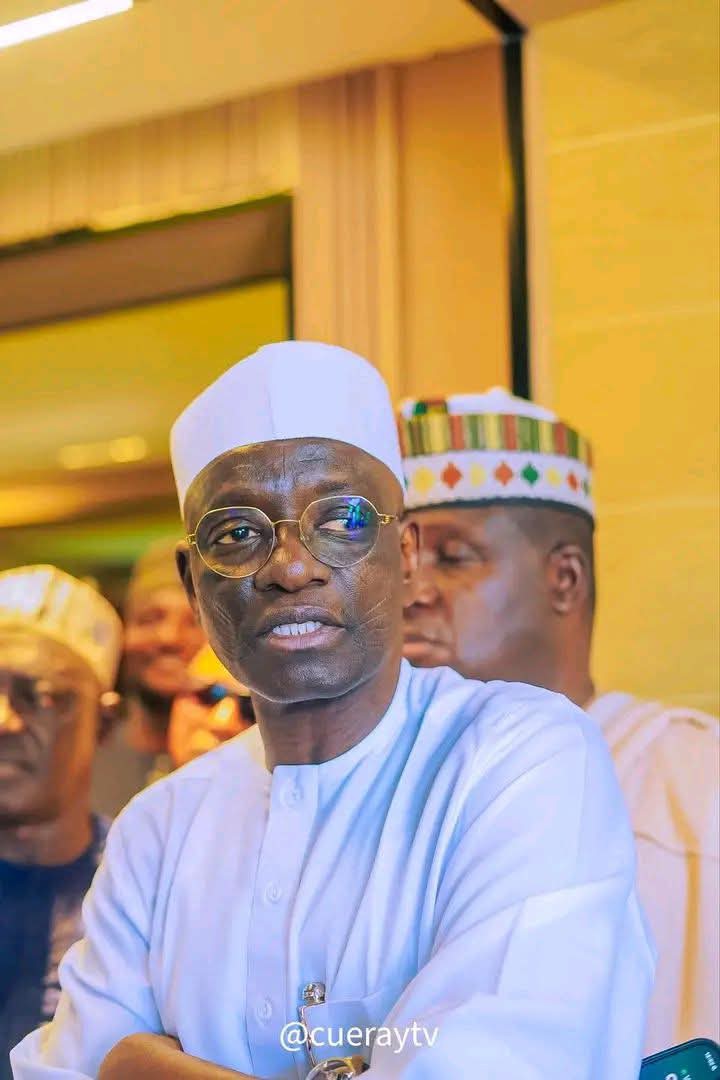
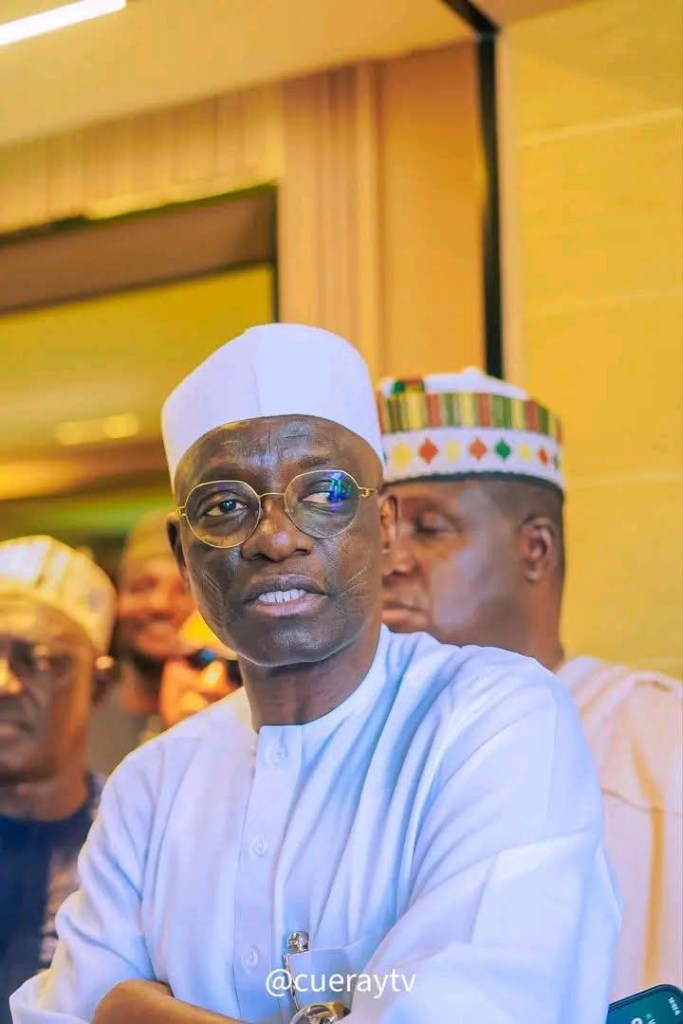
Among the contenders, Ahmed Wadada Aliyu has steadily distinguished himself as a compelling choice, based on a convergence of political loyalty, legislative competence, grassroots connection, and developmental impact.
Senator Wadada’s political journey has been deeply intertwined with the growth and consolidation of the APC in Nasarawa State. From the formative years of the party to its electoral victories, he has played a crucial role in mobilization, coalition-building, and sustaining party structures across the Keffi zone and beyond. His consistent support for party candidates and policies has reinforced APC’s dominance in key constituencies.
In previous elections, Wadada’s influence was instrumental in securing victories, particularly in areas where voter turnout and grassroots engagement were decisive. His ability to galvanize support reflects not just political relevance, but enduring trust among party faithful.
As a serving senator, Wadada has built a reputation for active participation and effective representation. His legislative record demonstrates a focus on policies that address socio-economic challenges, infrastructure deficits, and human capital development.
Beyond plenary contributions, his constituency interventions—ranging from educational support programs to infrastructure projects—underscore a commitment to translating legislative privilege into tangible benefits for the people. This blend of policy engagement and constituency service strengthens his profile as a leader capable of transitioning from the legislature to executive governance.
One of Wadada’s most notable strengths lies in his targeted empowerment initiatives. Through vocational training programs, financial support schemes, and educational sponsorships, he has significantly impacted young people and women across Nasarawa West.
These initiatives are not merely symbolic; they address unemployment and economic marginalization, fostering a sense of inclusion and opportunity. In a political climate where youth engagement is increasingly critical, Wadada’s track record positions him as a candidate with both vision and practical impact.
Wadada’s influence extends deeply into community structures. His involvement in local development projects—such as road construction, healthcare support, and community-based interventions—has earned him widespread acceptance.
Importantly, his political style emphasizes accessibility. Regular engagement with constituents, traditional leaders, and local stakeholders has built a strong grassroots network. This organic connection enhances his mobilization capacity, a key factor in electoral success.
Politics in Nasarawa State requires a delicate balance of experience, negotiation skills, and strategic foresight. Wadada’s long-standing involvement in both state and national politics has equipped him with these attributes. His ability to navigate complex political terrains and ma highintain alliances speaks to his maturity and readiness for higher responsibility.
Moreover, zoning considerations within the state make the Keffi zone a focal point in the succession discourse. Presenting a candidate like Wadada—who commands respect across different demographics and political blocs—could unify party stakeholders and minimize internal friction.
For Governor Sule, the choice of a successor is not merely about political expediency but also about preserving policy continuity and governance stability. Wadada’s alignment with the administration’s developmental agenda, combined with his independent achievements, makes him a bridge between continuity and innovation.
In the calculus of political strategy, electability, and governance capacity, Senator Ahmed Wadada Aliyu emerges as a strong contender for the APC gubernatorial ticket from the Keffi zone. His contributions to party success, legislative effectiveness, empowerment initiatives, and grassroots mobilization collectively present a persuasive case.
As APC navigates the path toward its next chapter in Nasarawa State, endorsing a candidate with proven credentials and broad-based support may well determine the party’s ability to retain power and deepen its developmental legacy.
 nasarawaeye.com