
By Rayyanu Bala
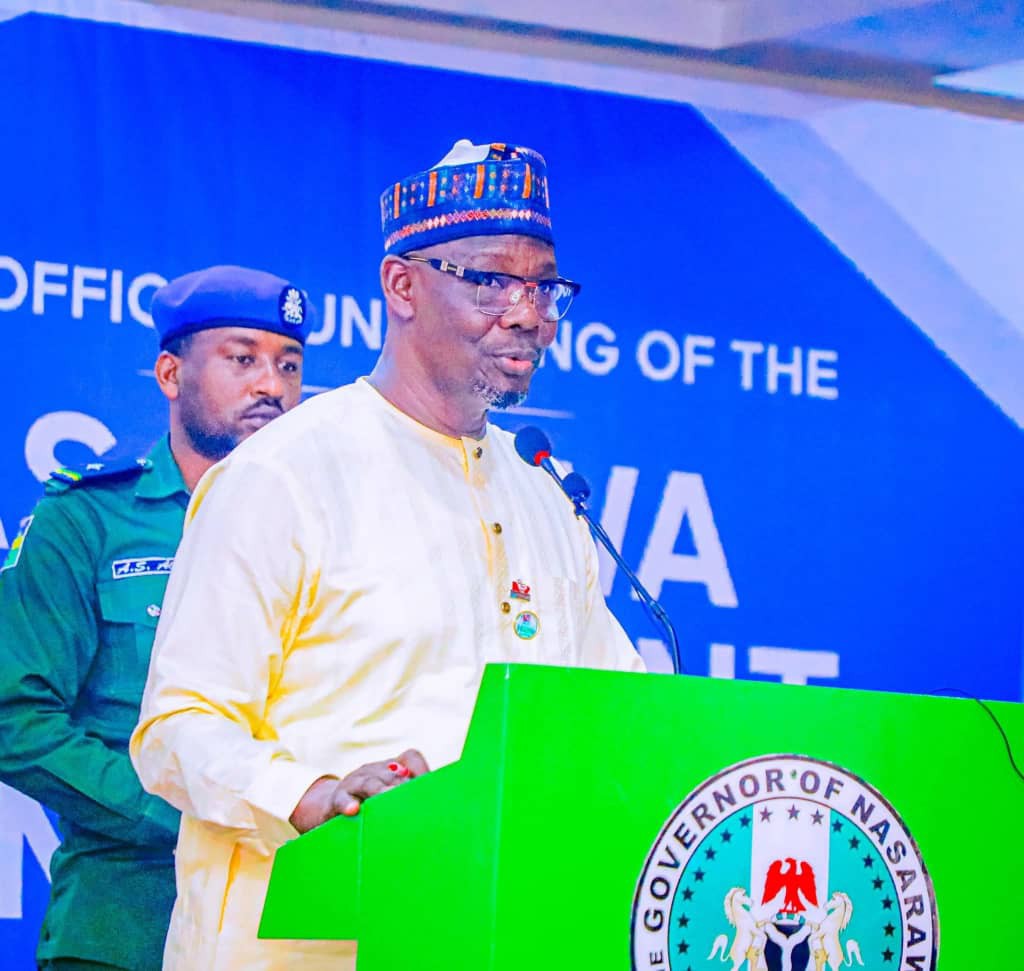
Governor Abdullahi Sule’s declaration that “my stand on zoning is sacrosanct” during a meeting he held with all his political appointees yesterday, has stirred predictable debate across Nasarawa State’s political landscape. But if we step back from the noise and look at the substance, his position is not only defensible, it is rooted in political logic, party stability, and electoral reality.
Zoning, though often criticized, has long been a stabilizing mechanism in Nigerian politics. In a diverse state like Nasarawa, it helps balance interests, reduce tension, and give every region a sense of belonging. Governor Sule insisting that zoning must be respected is not an act of imposition, it’s an act of preservation. It signals consistency, fairness, and respect for an unwritten agreement that has helped maintain political harmony over the years.
Now to the more controversial part: his indication that he already has someone in mind to succeed him under the banner of the All Progressives Congress (APC). Critics will quickly label this as overreach. But is it really?
In reality, political leadership often involves succession planning. Governors are not just administrators; they are also the leaders of their party structures within their states. They understand the terrain, the strengths and weaknesses of aspirants, and what it takes to win not just primaries but the general election. To pretend otherwise is to ignore how politics actually works.
Governor Sule, therefore, has every right as leader of the APC in Nasarawa to support a candidate he believes can consolidate his achievements and keep the party in power. This is not about imposing a candidate; it’s about guiding the party toward a winnable and competent choice.
That brings us to the name quietly but steadily gaining traction: Ahmed Wadada Aliyu.
Among all the aspirants being mentioned, Senator Wadada stands out, not just because he is from Nasarawa West, which aligns with the zoning principle, but because of his depth of experience and political reach. In a contest where both competence and electability matter, Wadada ticks both boxes convincingly.
Experience matters. Wadada has spent years navigating the complexities of governance and legislation. He understands policy, he built relationships across political divides, and carries himself with the kind of maturity required to govern a state like Nasarawa.
But beyond experience, there is the critical factor of broad-based support. Elections in Nasarawa are not won by zonal appeal alone, they require a candidate who can connect across all three senatorial districts. Wadada’s political network and grassroots acceptance give him a clear edge. He is not just a candidate for one zone; he is a candidate with statewide viability.
And let’s not ignore the practical politics: the APC cannot afford to gamble. The opposition is not asleep, and internal divisions could weaken the party’s chances. Rallying behind a candidate like Wadada, just someone with structure, recognition, and acceptability, offers the party its best shot at retaining power.
So when Governor Sule says his stance on zoning is sacrosanct and hints at a preferred successor, it should not be dismissed as political arrogance. It should be seen for what it is: strategic leadership.
At the end of the day, party members will still have their say, and the democratic process will take its course. But leadership also means direction and in this case, Governor Sule appears to be pointing the APC toward a candidate who embodies both the spirit of zoning and the substance of winning.
If the goal is continuity, stability, and victory in 2027, then backing Senator Wadada may not just be a good option, it may be the smartest one.
 nasarawaeye.com