
By Rayyanu Bala
Weddings, especially in northern Nigeria, have always been largely religious affairs, but they sometimes carry subtle political undertones. Last Friday’s wedding fatiha of Wadada’s son in Zaria no doubt had such undertones. The presence of the crème de la crème at the ceremony further testified to this.
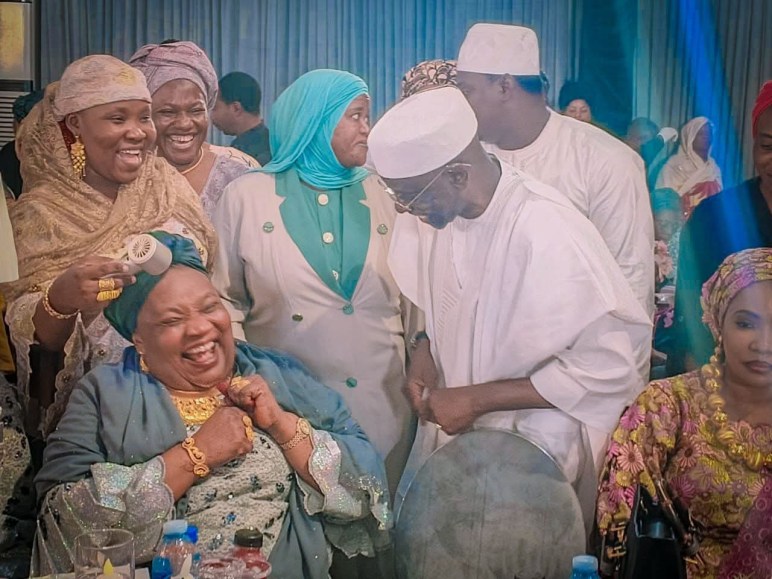
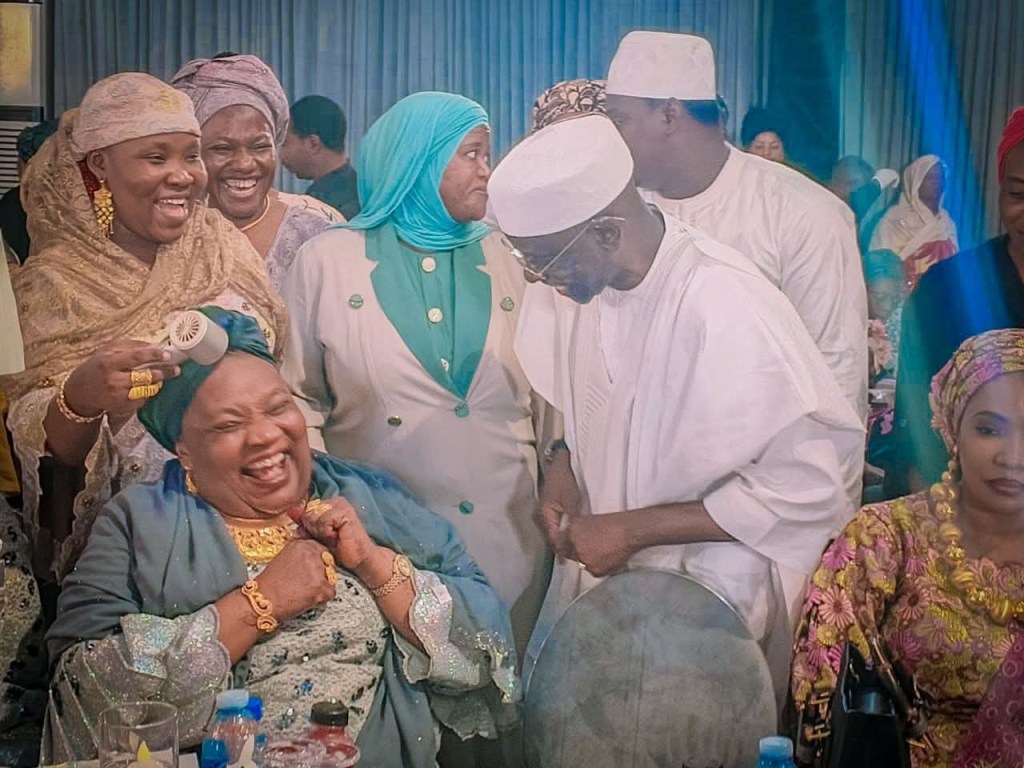
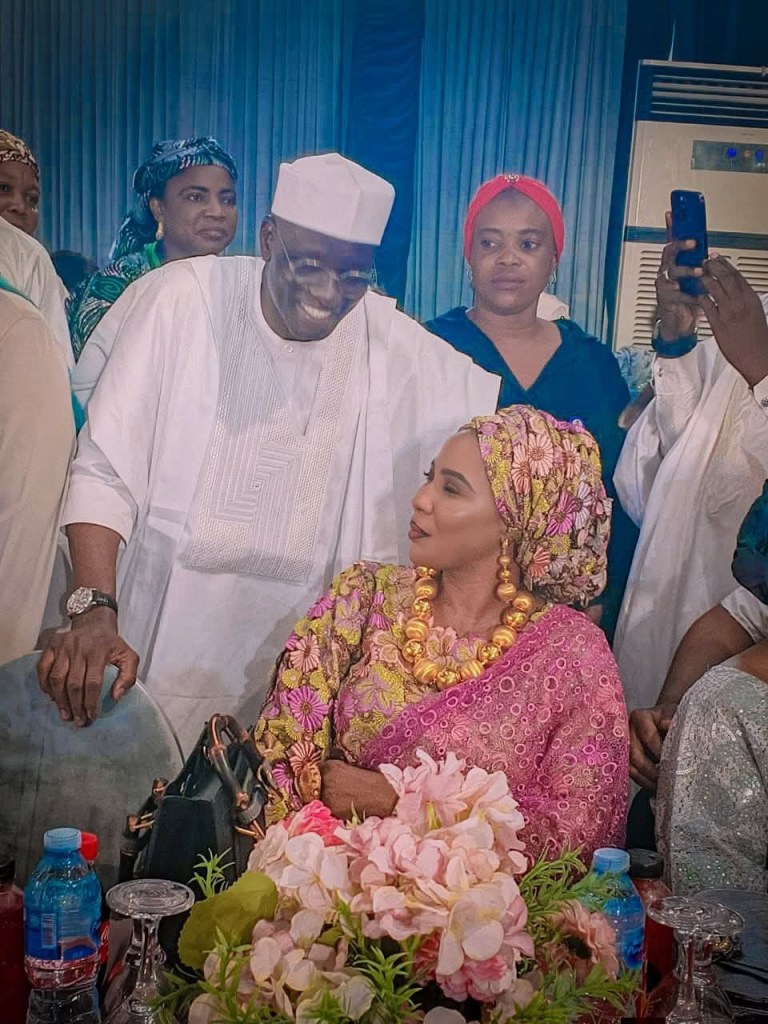
At first glance, it was everything a wedding should be: warm, lively, and deeply rooted in tradition. Friends, family, and well-wishers gathered in an atmosphere filled with joy and celebration. But on closer observation, it became clear that something bigger was unfolding.
This wasn’t just about two people starting a new life together. It was also about visibility, influence, and quiet political signaling.
From Zaria to the follow-up reception in Abuja, the guest list read like a who’s who of political and social heavyweights. When figures like the first lady, Hajiya Silifat Abdullahi Sule and Hajiya Farida Abdullahi Sule, the governor’s second wife, show up, it is not merely for small talk and pleasantries. In Nigerian political culture, the appearance of both the first and second wives at an event carries significant meaning.
This is where things get interesting. Whether intentional or not, their presence doubled as a display of soft power. Coupled with the ease with which other high-profile personalities mingled, the warmth of their interactions, and the sheer turnout, it all pointed to one thing: Wadada is not just connected; he is respected and perhaps more importantly, he is being positioned to take over from Governor Abdullahi Sule in 2027.
Indeed, politics in Nigeria does not only take place at rallies or in campaign offices. It also unfolds in living rooms, at naming ceremonies, and at weddings like this. These are spaces where alliances are reinforced, loyalties are tested, and influence is quietly measured.
So when people say Wadada is emerging as a leading governorship aspirant in Nasarawa State, events like this lend weight to that claim. Not because anyone stood up to make a campaign speech, but because the room itself told a story.
The question, then, is: what story was that?
It is a story of reach. A story of relationships that cut across different layers of power. A story of someone whose network is not just wide, but active.
Of course, it is important not to lose sight of the human side of the event. By all accounts, the wedding beautifully fulfilled its primary purpose: celebrating love, family, and new beginnings. That should never be overshadowed.
However, in a society where social gatherings and political currents overlap, it would be naïve to ignore the full picture.
In the end, what we witnessed in Zaria, and later in Abuja, was a blend of celebration and signaling a reminder of Wadada’s grassroots connections and a glimpse into what could be a carefully built political trajectory.
Even though no official declarations were made and no slogans were shouted, the message lingered quietly in the air: Wadada is a man whose moment may be approaching.
Now, as the APC primaries draw closer, one conclusion from this show of presence and goodwill is clear: Wadada is a man to watch.
 nasarawaeye.com