
By Rayyanu Bala
More than a month after the inauguration of the Nasarawa State Electricity Regulatory Commission (NASERC), concerns are mounting over the lack of visible progress in addressing critical power infrastructure in Lafia, particularly the substation along Shendam road.
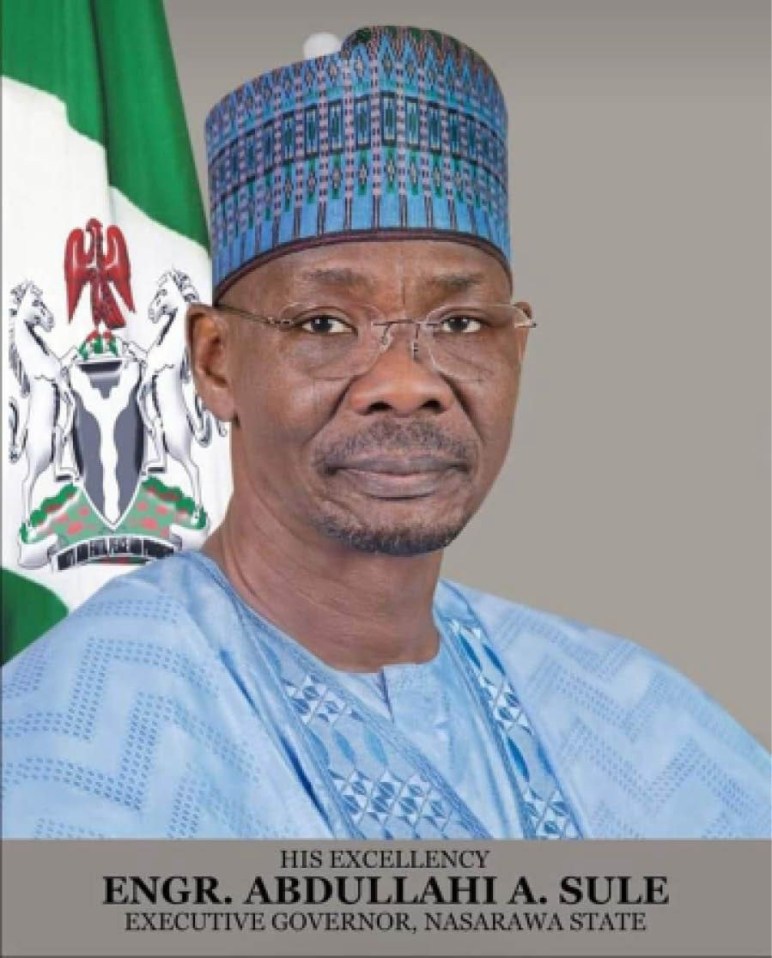
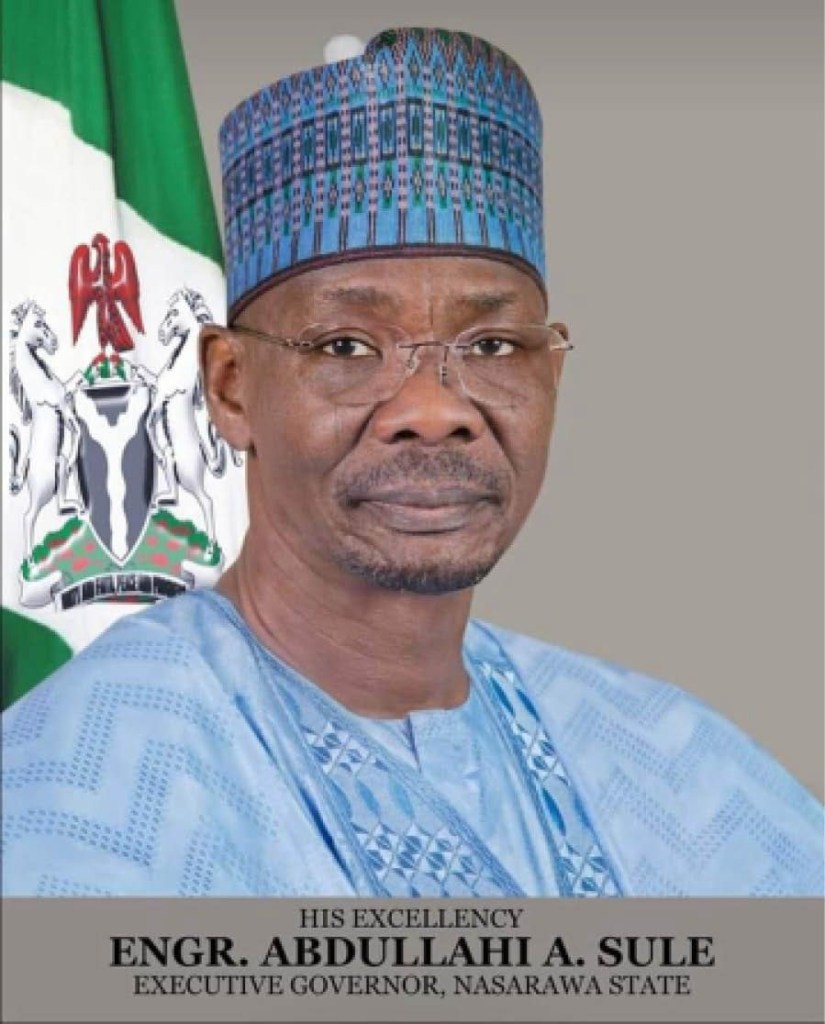
The substation, which residents say is vital to improving electricity supply in parts of the state capital, was expected to receive urgent attention following the approval of funds by Governor Abdullahi Sule during the commission’s inauguration on 6 March 2026. However, as of mid-April, there has been no official update or observable work on the facility, raising questions about implementation of governor’s directives.
At the inauguration ceremony, Governor Sule had charged the newly constituted commission with a clear directive: tackle the persistent problem of poor and unstable electricity supply across Nasarawa State without delay. His remarks underscored widespread frustration among residents and businesses, many of whom continue to grapple with erratic power that disrupts daily life and economic activity.
Electricity remains a critical challenge in the state, affecting everything from small-scale enterprises to larger investment prospects. For many, the governor’s message at the event signaled a potential turning point—an indication that the government was prepared to move beyond rhetoric and take decisive action.
Beyond immediate interventions, Sule also outlined a broader vision for the state’s energy future. He emphasized the need for Nasarawa to assume greater control over electricity generation, transmission, and distribution, aligning with ongoing efforts in Nigeria to decentralize the power sector and empower subnational governments.
According to the governor, reliable electricity is central to economic growth. He linked stable power supply to the ability to attract investors, expand industries, create jobs, and reduce poverty—positioning NASERC as a key driver of development in the state.
He further acknowledged the urgency of the situation, describing the commission’s inauguration as coming at a “very challenging period” marked by acute power shortages. That context, he suggested, made swift and effective action not just desirable, but necessary.
It was during the same event that Sule disclosed he had approved funds for the maintenance of a mini-substation—despite noting that it was not strictly the responsibility of the state government. The move was widely interpreted as a pragmatic step aimed at addressing immediate electricity concerns, even if it meant stepping beyond conventional administrative boundaries.
However, the delay in executing that specific intervention has now become a focal point of public concern.
Residents and observers say the lack of progress on the Shendam Road substation reflects a broader issue that has long plagued infrastructure delivery: the gap between policy announcements and actual implementation. With no clear communication from the regulatory body on the status of the project, uncertainty continues to grow.
Analysts note that the credibility of NASERC may depend heavily on how quickly and effectively such early promises are fulfilled. While inaugurating a regulatory body is a significant institutional step, tangible improvements in electricity supply will ultimately determine public perception of its success.
As expectations remain high, the coming weeks may prove critical. For many in Nasarawa, the question is no longer about approvals, but about results—whether the commitments made at the inauguration will translate into real, measurable changes.
Until then, the silence surrounding the Shendam Road substation stands as a reminder of the challenges ahead in transforming ambition into action within Nasarawa’ s power sector.
 nasarawaeye.com