
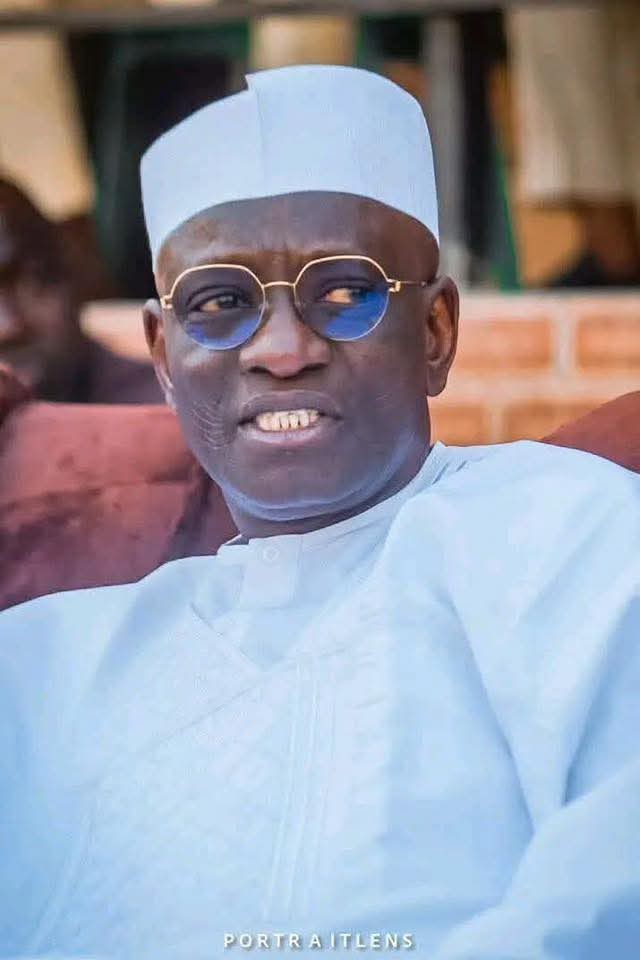
By Rayyanu Bala
On Saturday in Nasarawa Eggon, something spectacular happened in the political terrain of Nasarawa State. It was something small, yet deeply meaningful.
A man by the name Dr. Samuel Paul Audu convened a meeting and formed what he called the Nasarawa North Youth Vanguard for Wadada.
At the inaugural meeting, Dr. Audu revealed that he could not say for certain whether Senator Ahmed Wadada Aliyu would even remember him. However, he recounted that when Wadada was a member of the House of Representatives, he received assistance from him, assistance that, according to Dr. Audu, played a significant role in making him who he is today.
And if there’s one thing Nigerian politics has taught us, it’s that some people now just support leaders because of slogans, they don’t support them because of lived experiences. That’s why the recent inauguration and first strategic meeting of the Nasarawa North Youth Vanguard for Wadada convened by Dr. Samuel Paul Audu feels less like political gathering and more like a reward for good.
Listening to Dr. Samuel Paul Audu speak, you quickly realize this isn’t a paid loyalty but a personal loyalty. Here’s a man openly saying, “I am here because this person stood by me when it mattered.” And that, frankly, hits different.
Dr. Audu’s testimony mirrors what so many across Nasarawa State quietly say every day: the number of people Senator Ahmed Wadada Aliyu has assisted, directly and indirectly, is uncountable. And that’s not an exaggeration. From those he knows personally to those he had never met before, from people who share his faith to those who don’t, from his own ethnic group to completely different backgrounds, Wadada has shown up without discrimination.
That’s exactly why people keep calling him a grassroots politician. Not because it sounds good in the ears, but because his politics has always been people-centered. He doesn’t ask where you come from before extending help. He doesn’t ask what mosque or church you attend. He responds to need, not labels or praise singing.
Dr. Audu made this point clearly when he rejected ethnic and religious politics outright. Despite not sharing Senator Wadada’s faith or tribe, he received genuine support at a critical moment in his life. That kind of experience changes how you see leadership. It explains why someone would be willing to commit personal resources, even to the last kobo to support another person’s political ambition.
And let’s be honest: you don’t see that level of conviction every day.
The formation of the Nasarawa North Youth Vanguard for Wadada is therefore not surprising. They’re mobilizing because they believe Wadada’s track record speaks louder. The plan to tour communities across Nasarawa North, spreading awareness about his leadership qualities and past service, demonstrates sense of paying back what Wadada has done.
However among all the aspirants eyeing the 2027 governorship race, none of them carries this kind of widespread, cross-cutting goodwill like Wadada does. His politics has never been about exclusion; it has always been about impact. And people remember who stood with them when cameras weren’t rolling.
So when supporters say, “There is none like Wadada,” they’re not engaging in empty praises. They’re pointing to a long trail of assistance, empathy, and inclusive leadership that cuts across religion, tribe, and status.
As 2027 draws closer, one thing is becoming clearer by the day: grassroots politics isn’t built overnight. It’s built over years of showing up for people. And in Nasarawa State, that’s a space Senator Ahmed Wadada Aliyu has occupied for a long time.

