
By Our Reporter
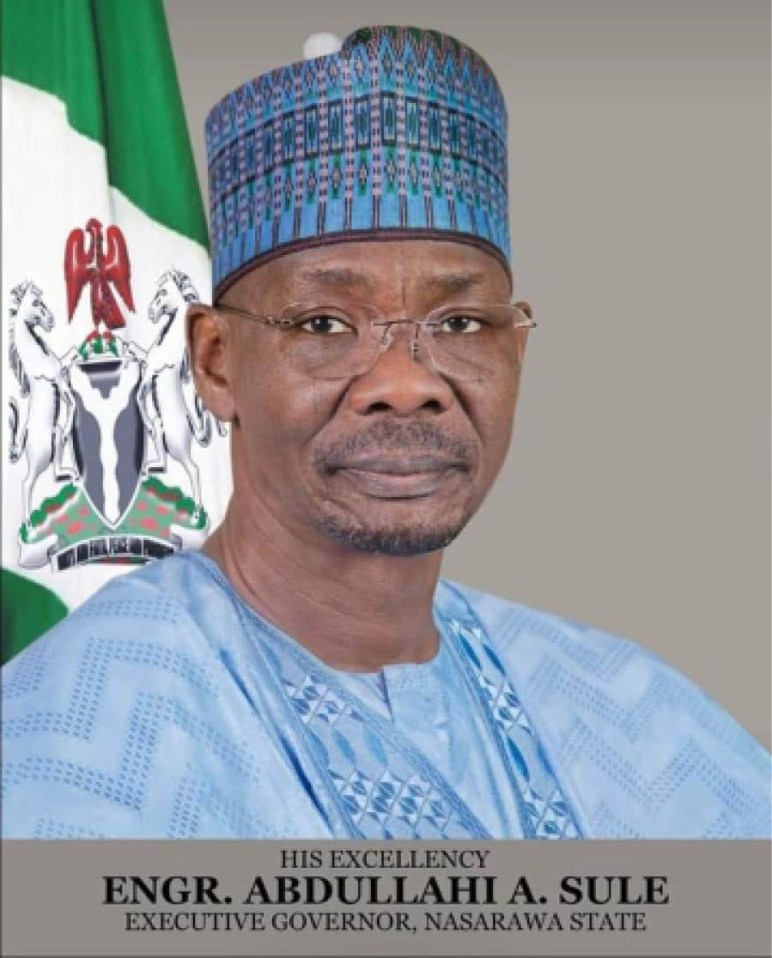
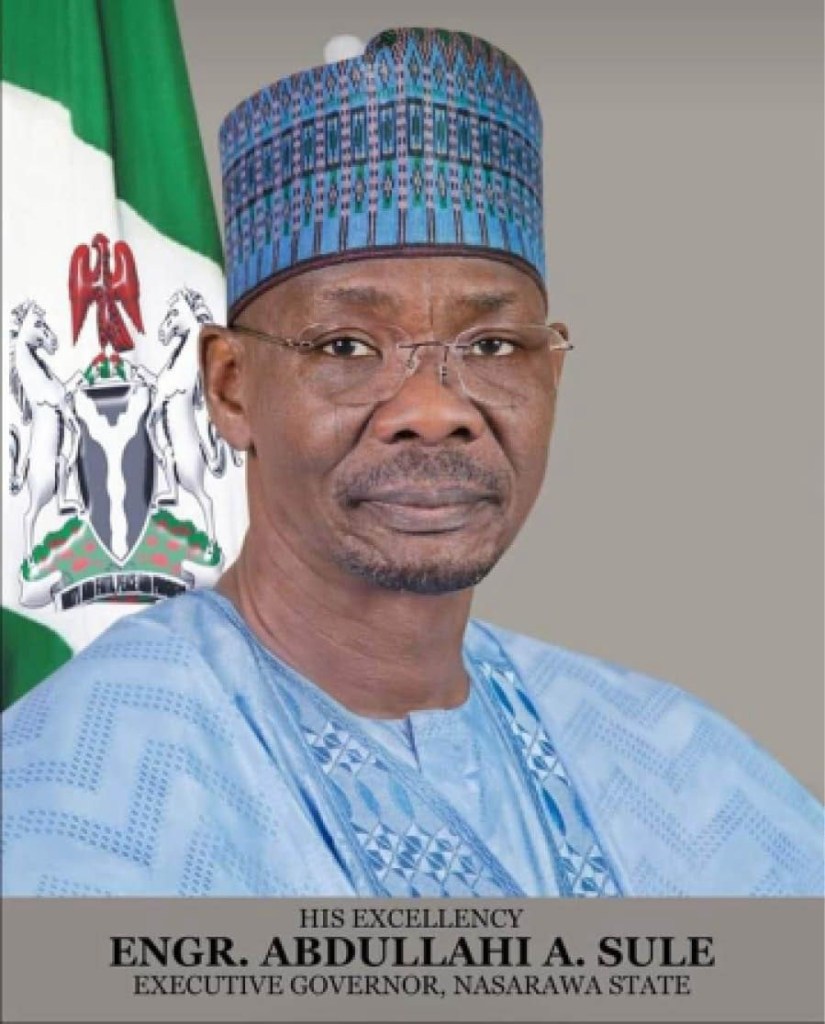
When Governor Abdullahi Sule inaugurated the Chairman and members of the Nasarawa State Electricity Regulatory Commission on March 6, 2026, at the Aliyu Akwe Doma Banquet Hall, Government House, Lafia, many residents believed relief from persistent power outages was finally in sight.
During the ceremony, the governor announced that he had approved the release of funds for the rehabilitation of the L15 electricity substation located along Shendam Road in Lafia. The intervention was presented as a strategic response to the prolonged poor electricity supply experienced by residents of the state capital under the Abuja Electricity Distribution Company (AEDC).
The announcement generated optimism, with expectations that rehabilitation work would begin promptly and significantly improve electricity distribution across Lafia.
However, an investigation by Our Reporter has revealed that several months after the approval, the project has yet to take off, raising questions about the implementation of the intervention and the fate of the approved funds.
Government’s Commitment.
Findings indicate that the Nasarawa State Government went beyond merely approving financial support for the project. Sources familiar with the arrangement disclosed that the government also accepted conditions proposed by AEDC to facilitate the rehabilitation.
One of the conditions reportedly required that the state’s monthly electricity bill—estimated at about ₦100 million—would not be used to immediately recover the intervention funds. Instead, only ₦10 million would be deducted periodically until the amount is fully repaid.
The arrangement meant the intervention was structured as a recoverable investment rather than a grant, a compromise the governor reportedly accepted to ensure residents would enjoy improved electricity supply as quickly as possible.
No Sign of Work
Despite the government’s commitment,
Visits to the L15 substation along Shendam road and inquiries by Nasarawa Eye newspaper found no visible evidence that rehabilitation work has commenced.
There were no construction activities, no deployment of equipment, and no indication that contractors had mobilized to the site.
Residents interviewed expressed disappointment that electricity supply in many parts of Lafia remains unstable despite the government’s widely publicized intervention.
The continued outages have fueled public concern and intensified questions over why the project has remained stagnant months after funds were reportedly approved.
Key Questions Demand Answers.
The prolonged delay has brought several issues into focus.
Has the approved intervention fund been fully released?
If the funds have been released, why has rehabilitation not commenced?
Has AEDC fulfilled its obligations under the agreement with the state government?
Are there administrative, contractual, or technical issues delaying the project?
Who is responsible for the apparent inaction?
These are questions that remain unanswered as residents continue to endure unreliable electricity supply.
Growing Public Concern.
The situation is increasingly affecting public perception of the Nasarawa State Government.
While Governor Sule publicly demonstrated his administration’s willingness to invest in improving electricity infrastructure, the absence of visible progress risks overshadowing that commitment.
Analysts say that without clear communication from the parties involved, the public may begin to question whether the intervention has been effectively implemented.
Need for Transparency.
The investigation highlights the urgent need for transparency from both the Nasarawa State Government and AEDC.
If funds have been disbursed, officials should explain why work has not begun. If unforeseen contractual or technical challenges have delayed implementation, the public deserves to be informed.
Stakeholders say providing regular updates would help restore confidence and reassure residents that the project has not been abandoned.
The Way Forward.
Observers believe the state government should immediately review the status of the intervention, establish the cause of the delay, and hold any individual or institution responsible for unnecessary setbacks accountable.
Similarly, AEDC is expected to publicly clarify the current status of the rehabilitation project and provide a definite timeline for commencement and completion.
For residents of Lafia, the L15 substation project represents more than the rehabilitation of an electricity facility. It has become a measure of accountability, transparency, and the commitment of both the state government and service providers to deliver on promises made to the public.
Until concrete action is taken, the darkness that has continued to affect Lafia will remain a visible reminder of a project that was announced with hope but has yet to move beyond promises.
When contacted, a senior official of the Nasarawa State Electricity Regulatory Commission, who requested anonymity, told our reporter that the commission has no responsibility for electrical infrastructure. The official advised this newspaper to contact the Electricity Board for any clarification regarding the matter.

