
By Rayyanu Bala
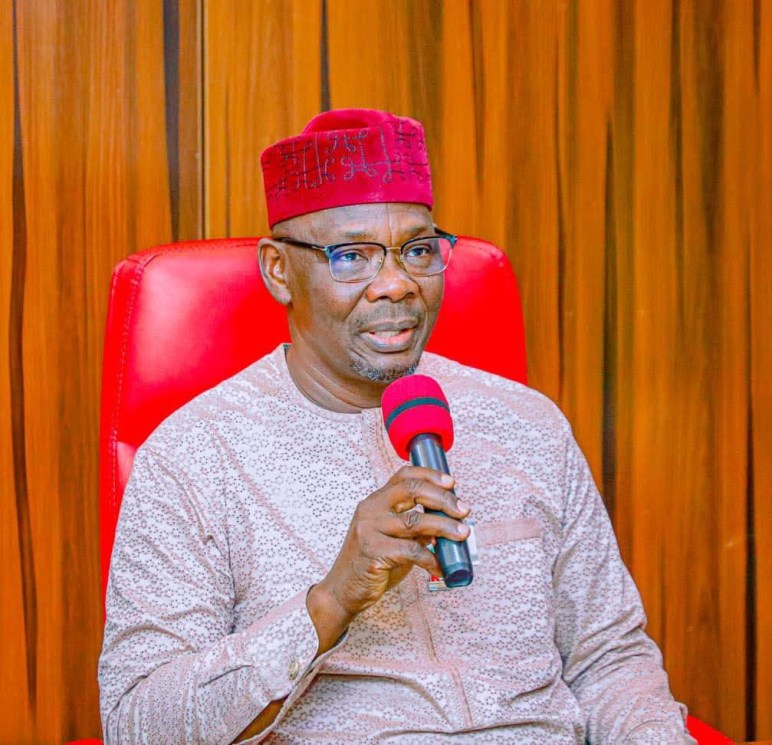
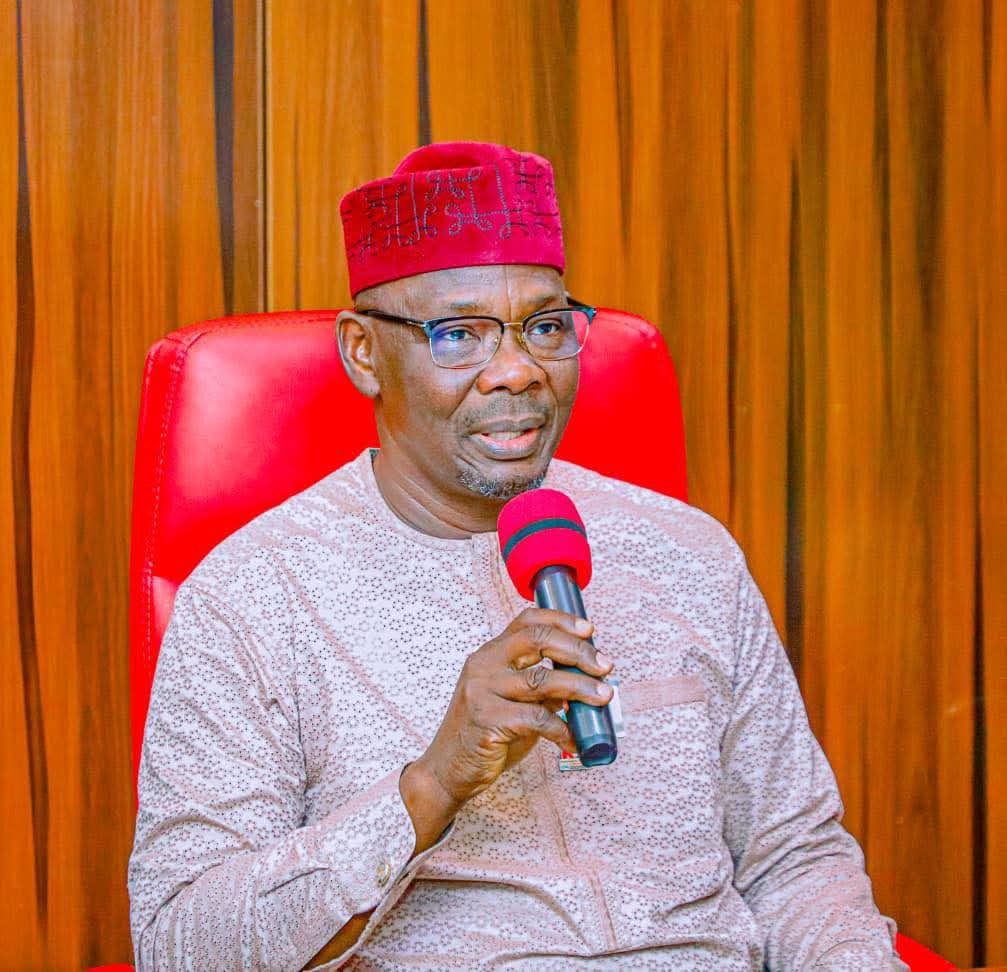
During the commissioning of the lithium factory in Nasarawa last month, Vice President Kashim Shettima described Engr. Abdullahi Sule as a patient and tolerant leader. From every perspective, the Vice President said nothing but the truth.
However, the true test of leadership is not how a leader reacts to praise, but how he responds to criticism. Every administration attracts both supporters and critics. The difference lies in whether those in power view criticism as an act of hostility or as an essential part of democratic governance.
In Nasarawa State today, many civil servants openly express their opinions on social media. Some go beyond constructive criticism and resort to harsh attacks and personal insults directed at Governor Abdullahi Sule. Yet, despite the frequency of such posts, there has been no known interference, reprimand, or dismissal by the Civil Service Commission. This demonstrates the level of tolerance exhibited by the governor. Governor Sule has generally been seen as responding with restraint rather than retaliation.
During the administration of former Governor Tanko Al-Makura, however, the situation was widely perceived to be different.
One case that remains fresh in the minds of many is that of Barrister Ruqayyat Tijjani Usman, a State Counsel in the Nasarawa State Ministry of Justice. In 2016, she criticised the state government’s handling of the Lassa fever outbreak through posts on her Facebook page. Shortly afterwards, her appointment was terminated by the Nasarawa State Civil Service Commission. The dismissal was widely reported and was understood to have followed her social media criticism of the government. The incident attracted national attention, with labour unions and civil society organisations questioning whether a public servant should lose her job for expressing an opinion.
Whether one agrees with everything Barrister Ruqayyat wrote is beside the point. Her case became a symbol of the risks associated with publicly criticising the government during that period. It also sent a message to many civil servants that expressing dissent could come at a heavy personal cost.
Today, under the administration of Engr. Abdullahi Sule, the atmosphere appears different. Social media platforms are filled with comments about the Sule administration. Some are thoughtful and constructive, while others are plainly abusive. Yet, the governor has largely ignored many of these attacks and continued with the business of governance. That approach reflects the level of political maturity expected in a democratic society. Engr. Abdullahi Sule is, without doubt, a committed democrat.
Democracy can only thrive when leaders understand that criticism is inevitable. Public office comes with scrutiny, and not every comment deserves an official response. Sometimes, the strongest response is silence, coupled with continued service to the people. That is precisely the approach Governor Sule has taken. Unfortunately, his silence has often been misconstrued as weakness.
This is not to suggest that Engr. Sule is above criticism; no governor is. Nor is it to imply that his administration is without shortcomings. Every government should be held accountable by the people it serves. However, there is a clear distinction between responding to criticism with tolerance and responding in ways that create fear among public servants.
The Barrister Ruqayyat Tijjani Usman episode remains an important reminder of why freedom of expression matters. It also provides a useful point of comparison when discussing how different administrations have responded to dissent.
History will judge every leader by many standards. It will also remember how leaders treated those who disagreed with them. On that score, many observers would argue that Governor Abdullahi Sule has demonstrated a more tolerant and civil approach to criticism than was generally perceived during the Al-Makura administration.

