
By Rayyanu Bala
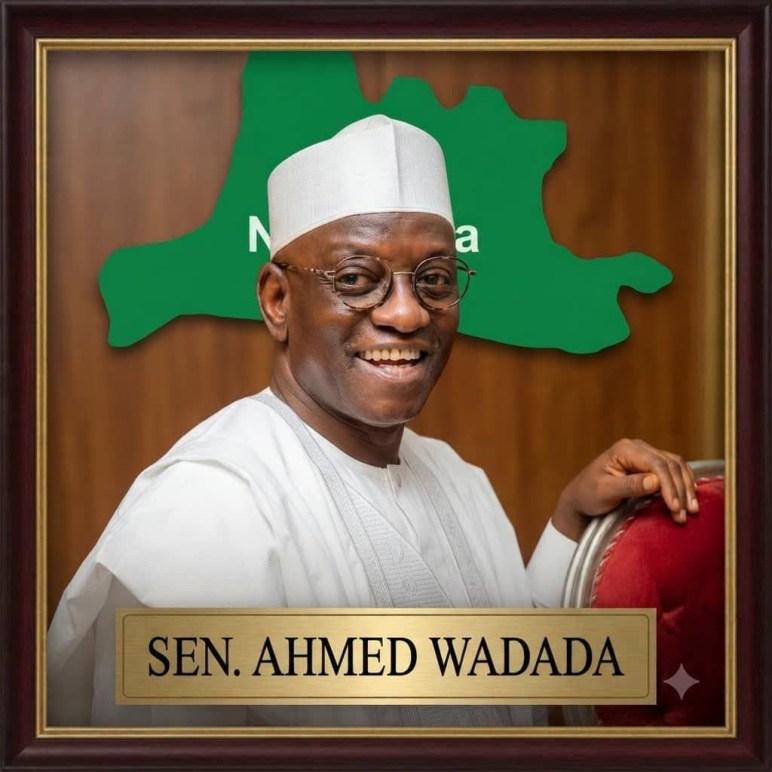
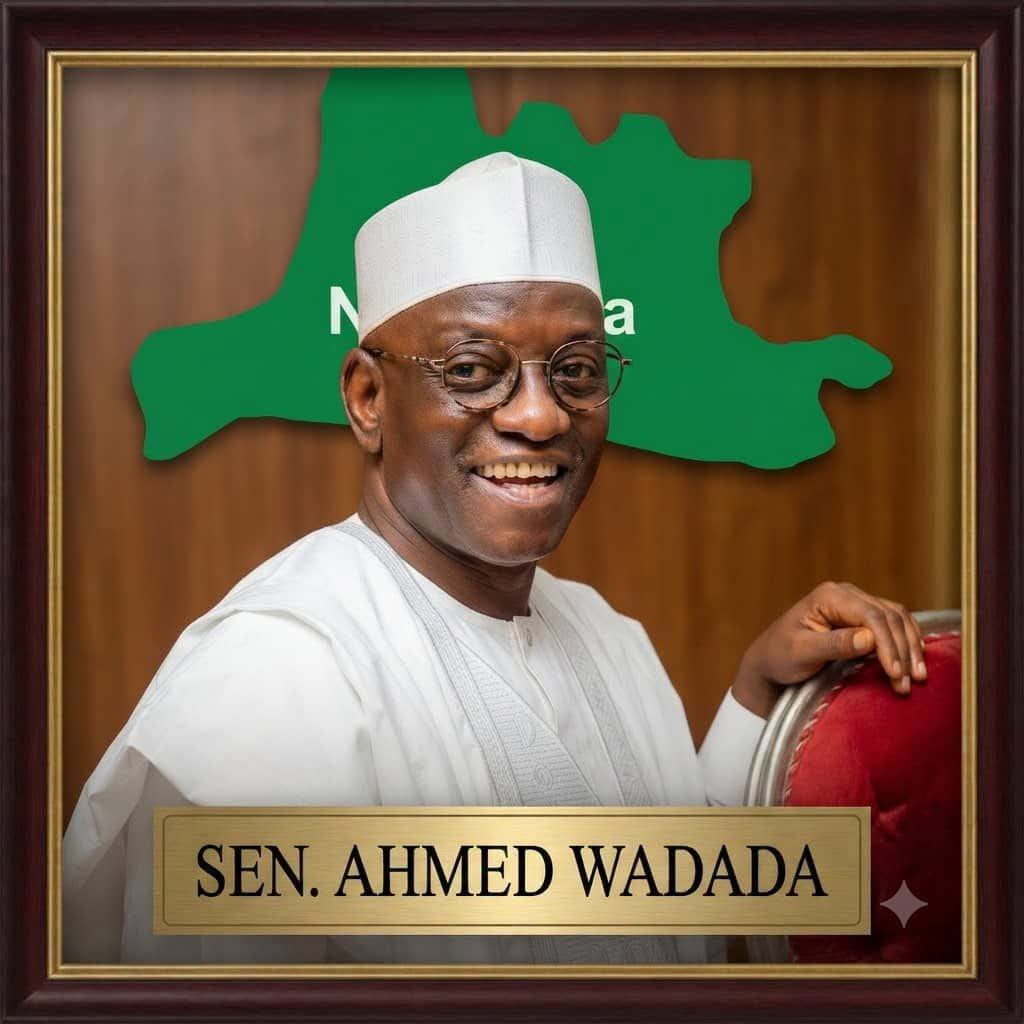
In the Nigerian context, it is uncommon for comments made by public office holders to be so swiftly reinforced by the views of independent experts. However, the remarks made by Senator Ahmed Aliyu Wadada following his private meeting with President Bola Ahmed Tinubu at the Presidential Villa in Abuja on Thursday 30, July, 2026, proved to be a notable exception, marking a bold departure from the norm.
Speaking with State House correspondents, Senator Wadada offered what many considered a balanced assessment of the Tinubu administration’s economic policies. Rather than painting an overly rosy picture or dismissing the challenges confronting Nigerians, he acknowledged both realities.
According to the senator, there are visible improvements, developments, and growth across various sectors of the economy. At the same time, he was careful to point out that this does not mean everything is perfect. His position was straightforward: progress is evident, but much more still needs to be done to improve the lives of Nigerians.
That assessment reflected the wisdom of a leader who understands that governance is not black and white affair. This Wadada demonstrated objectivity rather than partisanship.
Interestingly, barely two days after he made those remarks, the Emir of Kano, Muhammadu Sanusi II, echoed a similar sentiment while speaking at the ongoing 31st Nigerian Economic Summit in Abuja. Sanusi, an internationally respected economist and former Governor of the Central Bank of Nigeria, observed that Nigeria’s economy is now growing faster than its population for the first time in years, attributing the development to ongoing reforms by the Central Bank of Nigeria.
Whether intentionally or not, Sanusi’s statement lends considerable weight to Senator Wadada’s earlier assessment. Coming from someone whose expertise in economics is widely acknowledged both within and outside Nigeria, the Emir’s remarks provide independent validation that the country’s economic reforms are beginning to produce measurable results, even if the journey is far from complete.
This is why Senator Wadada’s comments deserve closer attention. Rather than making sweeping political statements, he chose a path of honesty and balance recognizing positive developments while insisting that government must not relent until the benefits of economic reforms are felt more broadly by ordinary Nigerians.
Such clarity of thought is one of the qualities that distinguish thoughtful leadership. It reflects maturity, sound judgment, and the ability to evaluate issues based on evidence rather than emotion or political expediency.
For the people of Nasarawa State, this offers a glimpse into the kind of leadership Senator Ahmed Aliyu Wadada could bring if entrusted with the governorship. His experience as a legislator, combined with his approach to national issues, suggests a leader who values facts, embraces constructive criticism, and appreciates that sustainable development requires both vision and patience.
Nasarawa stands at a point where experience, wisdom, and pragmatic leadership will be essential in unlocking its enormous potential. Many believe Senator Wadada possesses those qualities and that, if elected governor, he would bring the same depth of understanding, political maturity, and commitment to good governance that he has consistently demonstrated to the development of Nasarawa state.
The convergence between Wadada’s assessment and Sanusi’s economic observations serves as a reminder that balanced leadership often proves its worth over time. When respected voices from different backgrounds arrive at similar conclusions, it reinforces confidence that thoughtful analysis not political rhetoric should guide public discourse in Nasarawa state.

