
By Rayyanu Bala
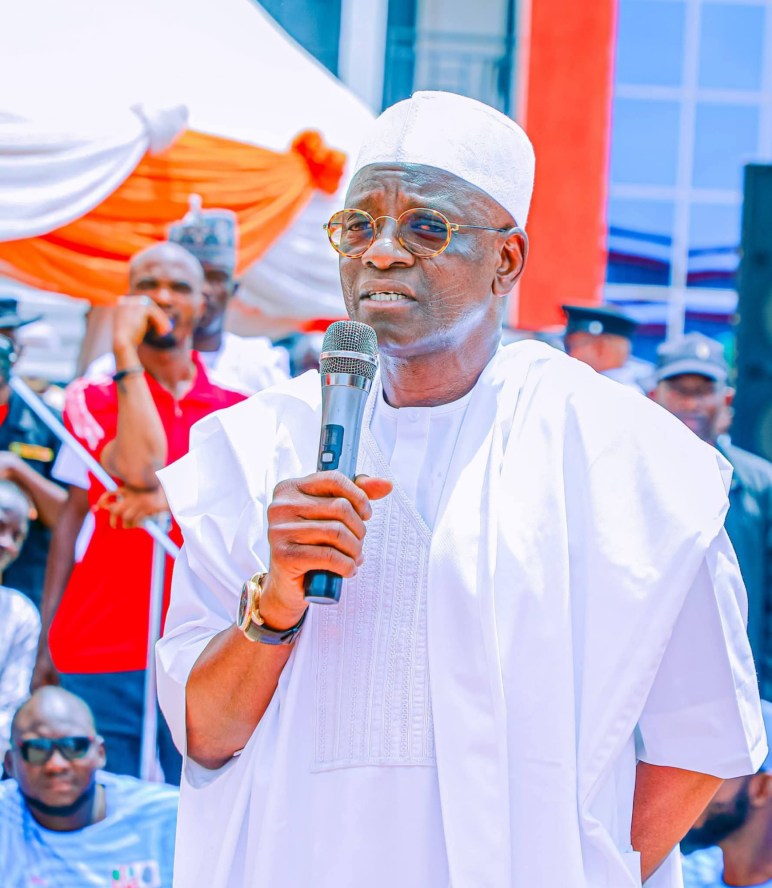
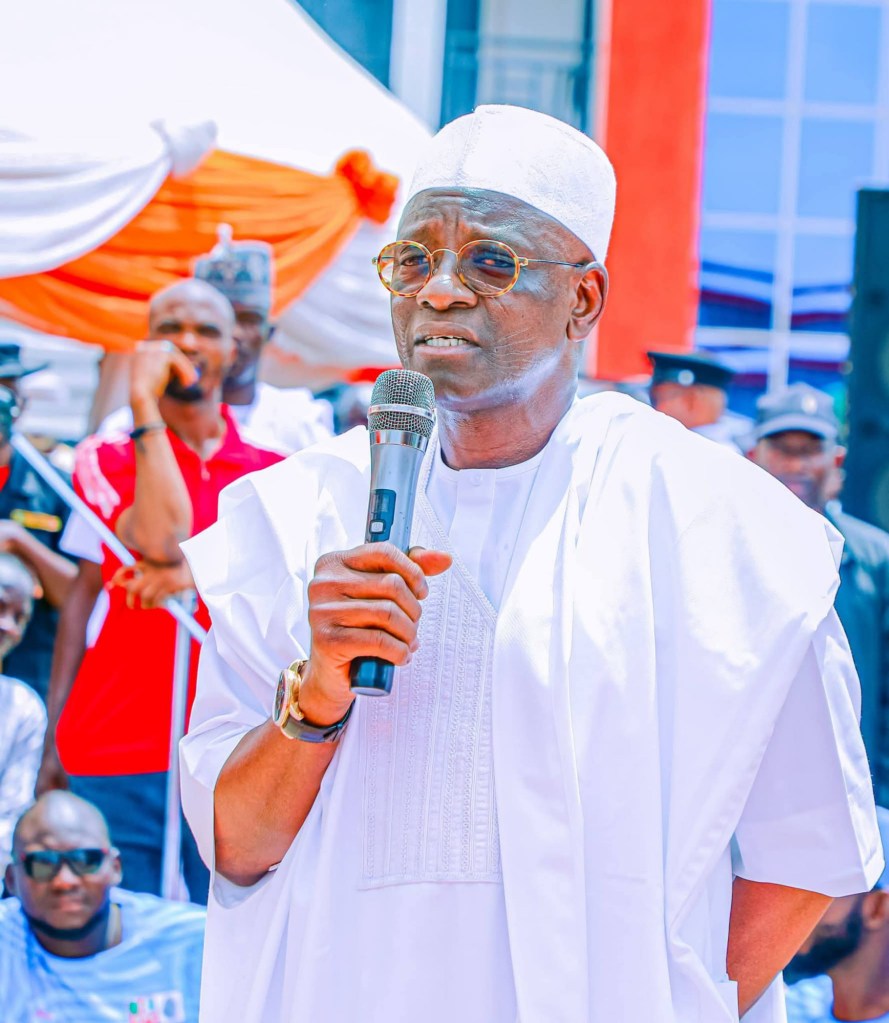
A new campaign of calumny is ongoing against Senator Ahmed Wadada Aliyu and his governorship candidature in Nasarawa State. The argument being pushed by the sponsors of these campaigns is that there is a need to substitute Wadada as the APC candidate because, if elected governor, he would allegedly make former and serving political leaders regret their support for him.
According to the narrative, Governor Abdullahi A. Sule, former Governor Umaru Tanko Al-Makura, Senator Abdullahi Adamu, traditional rulers and other respected leaders who may have supported Wadada would eventually have cause to regret doing so.
But let us pause for a moment.
What exactly is the evidence for this frightening picture being painted about Senator Wadada?
Political campaigns are expected to be about ideas, competence, character and the ability to govern. They should not be reduced to speculation about what someone might supposedly do tomorrow. Unfortunately, the latest campaign against Wadada seems to depend more on fear and conjecture than on facts.
I made a similar argument in my earlier response to such a campaign titled, “Re: A. A. Sule and the Danger of Choosing Wadada as Your Political Successor.” which appeared in Nasarawa Eye Newspaper, five days ago.
At the time, I argued that the attempt to portray Senator Ahmed Wadada Aliyu as a potential threat to Governor Abdullahi A. Sule, former Governor Umaru Tanko Al-Makura, Senator Abdullahi Adamu, traditional institutions and the people of Nasarawa State was unfair and unnecessarily speculative.
My position on this still remains unchanged.
Senator Wadada is not a political novice who suddenly appeared on the political scene without a record. He is a politician whose public journey has given people enough opportunity to assess his temperament, his relationships and his understanding of public responsibility.
One important quality that should not be overlooked is his understanding of respect and political relationships.
Wadada has consistently presented himself as a disciplined politician who understands that occupying public office does not give anyone the licence to humiliate others, settle personal scores or disregard established institutions. Politics, especially in a state like Nasarawa, requires patience, consultation and the ability to work with people who may not always agree with you.
And this is where the current campaign appears to miss the point.
The argument that supporting Wadada today will automatically lead to regret tomorrow assumes that his personality is fundamentally driven by vengeance or betrayal. But that is a serious claim, and serious claims require evidence.
It is not enough to say, “If he becomes governor, you will regret supporting him.” The obvious question is: why?
What has he done to justify such an assumption?
Where is the evidence that he intends to undermine traditional institutions or humiliate former governors and political leaders? Where is the evidence that he sees political power as an instrument of revenge?
Without answers to these questions, the campaign amounts to little more than political fearmongering.
Of course, nobody should suggest that any politician is perfect. Governors, senators and other public officials are human beings, and disagreements will inevitably arise in politics. But disagreement should not automatically be interpreted as an act of hostility.
There is another quality that matters greatly in politics: keeping one’s word.
Senator Wadada has consistently demonstrated that he takes commitments seriously. A politician who values his word understands that political relationships are built on trust, and trust cannot be sustained if every promise is treated as a temporary arrangement to be discarded once power is acquired.
This is why the attempt to create an image of Wadada as someone who will turn against everyone who supports him deserves to be treated with caution.
Nasarawa people are intelligent enough to distinguish between genuine concerns and politically motivated campaigns.
If there are legitimate questions about Wadada’s competence, policies, capacity or vision for Nasarawa State, let those questions be placed before the people. Let his record be examined. Let his ideas be challenged. Let supporters and opponents debate his suitability for the office.
That is how democracy should work.
But telling political leaders and traditional rulers that they will “regret” supporting a particular candidate is not an argument. It is a prediction.
And predictions are not evidence.
The people of Nasarawa State deserve a campaign based on issues rather than insinuations. They deserve to hear what each candidate intends to do about development, education, healthcare, infrastructure, agriculture, employment, security and the overall wellbeing of the state.
They do not need campaigns designed to make them afraid of what may happen if they exercise their democratic choice.
Ultimately, Senator Ahmed Wadada Aliyu’s candidature should be judged by his character, his record, his competence and his vision not by imagined actions attributed to him before he even assumes office.
Those behind the latest campaign of calumny may continue to circulate their warnings. But we should know that their case is built on speculation, fear and assumptions about what Wadada might do, rather than evidence of what he has actually done. their campaign has a serious credibility problem.
And that is precisely why these campaigns against Wadada’s candidature may well be dead on arrival.

