
By Rayyanu Bala
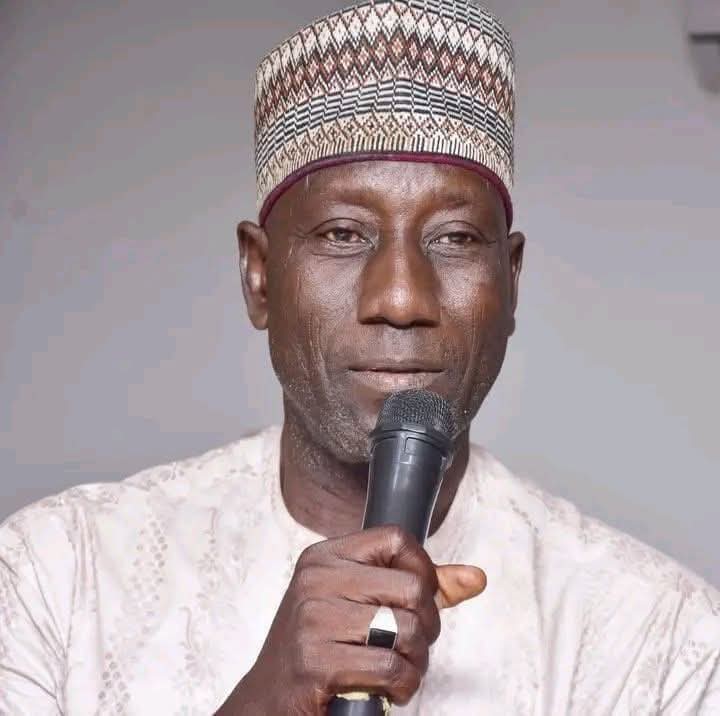
Frankly speaking, Yusuf Shehu Usman has said what many people in Lafia are thinking but may not have the courage to say openly.
His warning in Facebook page today about the growing politics of hatred, insults, division, provocation, violence and ignorance in Lafia deserves serious attention.
Politics should be about ideas, development and service to the people. It should not become an avenue for turning neighbours against one another or making political opponents permanent enemies.
For those who know Lafia and understand its political history, however, there is an important question that must be asked: When did this atmosphere of tension and intimidation begin to take root in Lafia?
In my view, the answer is not difficult to find.
Before former Inspector-General of Police Mohammed Abubakar Adamu entered the political race in Lafia, the political environment, despite the usual disagreements and competition, was considerably more peaceful. Politicians competed, supporters argued their positions and elections came and went, but there was still a strong sense that, at the end of the day, we were all people of the same community.
But with his entry into the governorship race, a different political atmosphere, in my assessment, began to emerge.
The politics increasingly became associated with fear, intimidation, aggressive mobilisation and the re-emergence of thuggery. The apparent strategy seemed to be that if enough fear and intimidation could be created, ordinary people would eventually become afraid to express their opinions freely and would simply succumb to whoever appeared strongest.
That is a dangerous road for Lafia.
Political strength should never be measured by the number of people one can intimidate. It should be measured by the quality of one’s ideas, the confidence of one’s supporters, the development one can offer and the ability to persuade people without threatening them.
And this is where my elder brother Yusuf Shehu’s observation becomes particularly important.
What exactly do these political gatherings leave behind for the communities where they take place?
Children may receive snacks. Some households may receive food items. A few people may receive small amounts of money to address immediate needs. There is nothing inherently wrong with helping people who are struggling. But if political mobilisation ends with temporary handouts while the neighbourhood continues to suffer from poor roads, inadequate drainage, environmental problems, unemployment and other basic challenges, then we must ask whether this is genuine empowerment or simply short-term political mobilisation.
A bag of food can feed a family for a few days. A small cash gift can disappear almost immediately. But a functional drainage system, a rehabilitated road, a skills-acquisition centre, a clean public space or another sustainable community project can benefit people for years.
That is the kind of politics Lafia deserves.
More troubling is the growing culture of insults.
As Yusuf Shehu rightly observed, politicians and their supporters always move from one neighbourhood to another attacking and abusing one another with words that would once have been considered unacceptable among people who share the same community.
But Lafia is not a place where political opponents are strangers.
We know one another.
We are neighbours, friends, colleagues, relatives and, in many cases, members of the same extended families. So when politicians descend into abusing one another’s parents and ancestors, they should remember that the person they are insulting may be connected to them in ways they do not even realise.
If you insult another man’s parents in Lafia, you may eventually discover that you have insulted your own people.
This is why political disagreements must have limits.
There is nothing wrong with vigorous political debate. Criticise policies. Challenge records. Question competence. Ask difficult questions. Expose failures. Present alternatives.
But there is a difference between political criticism and political intimidation.
There is also a difference between mobilising supporters and mobilising thugs.
Lafia has seen enough of the consequences of allowing politics to become a contest of intimidation. The people should not be forced to choose between keeping quiet and exposing themselves to harassment or violence.
And this is why those who are seeking political leadership must understand something very simple: the people you intimidate today are the same people you may need tomorrow.
Elections will come and go. Political offices will change hands. Supporters will move from one camp to another. But Lafia will remain.
Our roads will remain. Our neighbourhoods will remain. Our families will remain. Our children will grow up together.
So what kind of political legacy do we want to leave behind?
A Lafia divided by hatred, insults and fear?
Or a Lafia where political competition exists alongside mutual respect and where politicians compete over who can deliver the most meaningful development to the people?
For me, the choice should be obvious.
If politicians genuinely want the support of Lafia, they should stop trying to frighten the people into submission. They should stop rewarding political thuggery with temporary handouts while ignoring the larger needs of communities. They should stop abusing one another and, most importantly, stop creating an atmosphere in which thuggery and intimidation is the only instruments of acquiring political power.
Let our politicians compete with ideas.
Let them compete with development.
Let them compete with character.
Let them compete over who can provide the most sustainable benefits to the people.
Lafia does not need politics that leaves behind fear after every political gathering. It needs politics that leaves behind hope.
Yusuf Shehu’s warning, therefore, should not be dismissed as just another political statement. It should be treated as a call for reflection by everyone involved in the politics of Lafia.
Because when the music stops, the political banners are removed and the election is over, we will still have to live together.
And that is something no politician should ever make us forget.

