
BY APAWU AMODU
It is important to set the record straight regarding the issue over the Onda/Kana/Apawu Road and the efforts of Senator Ahmed Wadada Aliyu.
While the demand for the tarring of our road is legitimate, we must also be realistic about the responsibilities of a senator and the process through which constituency projects are executed.
Senator Ahmed Wadada Aliyu cannot be expected to tar an over 25-kilometre road from his personal pocket. Such a major infrastructure project requires government intervention, proper budgeting, and the use of appropriate constituency project channels. A senator can facilitate and advocate for such a project, but the actual execution depends on the availability of funds, approvals, and the relevant government agencies.
In the meantime, if Senator Wadada has deemed it necessary to grade the road to ease the suffering of our people, should that effort be dismissed simply because it is not tarred? Grading may not be the permanent solution we desire, but it can provide relief to commuters, farmers, traders, students, and other road users while efforts toward a more lasting solution continue.
We can demand tarring without condemning grading. These two positions are not mutually exclusive. Let us appreciate every genuine effort while continuing to advocate for the permanent development of our communities.
Furthermore, Senator Wadada is not the first senator to represent Nasarawa West Senatorial District. Before his emergence, several other senators represented the district. It is therefore fair to ask: what efforts were made by previous representatives toward addressing the condition of the Onda/Kana/Apawu Road? Why was the issue not pursued with the same level of public attention during their respective tenures?
These questions are not intended to excuse any representative from responsibility. Rather, they are necessary to ensure that our assessment of leadership is fair, consistent, and based on contributions rather than sentiments.
To those now rejecting or criticising Wadada’s efforts, another important question deserves an answer: What tangible contributions have they personally made toward the development of Afo land? Have they initiated any meaningful development projects, mobilised resources, or taken concrete steps to improve the welfare of our people? If there are such contributions, let them be presented for the public to assess. If not, constructive engagement may serve our community better than outright condemnation.
Our collective interest should be bigger than our political disagreements. The Onda/Kana/Apawu Road deserves attention. Let us therefore encourage every reasonable intervention while continue to press for the road to be tarred through the appropriate government channels.
A temporary intervention should not end the demand for a permanent solution, but neither should an interim effort be treated as nothing.
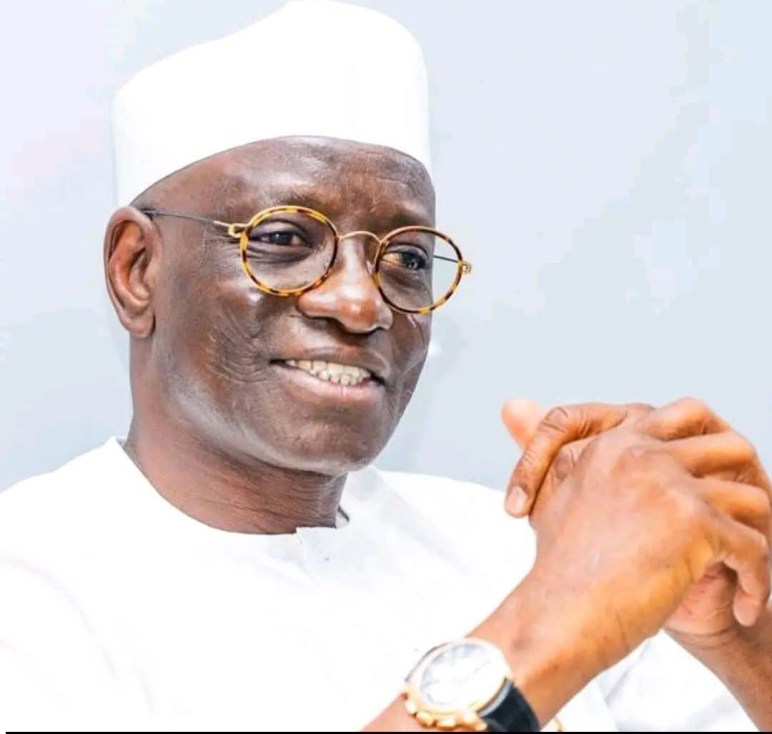
Let us celebrate Senator Wadada for this genuine effort.
AFO LAND NEEDS DEVELOPMENT, NOT DIVISION.

