
By Rayyanu Bala
As Nasarawa state is gradually moving towards the 2027 general elections, political activities have since gathered momentum. For some opposition politicians in the state, the election appears to be a do-or-die affair. But one important question we must ask ourselves is this: Must winning an election come at the expense of peace, decency and unity?
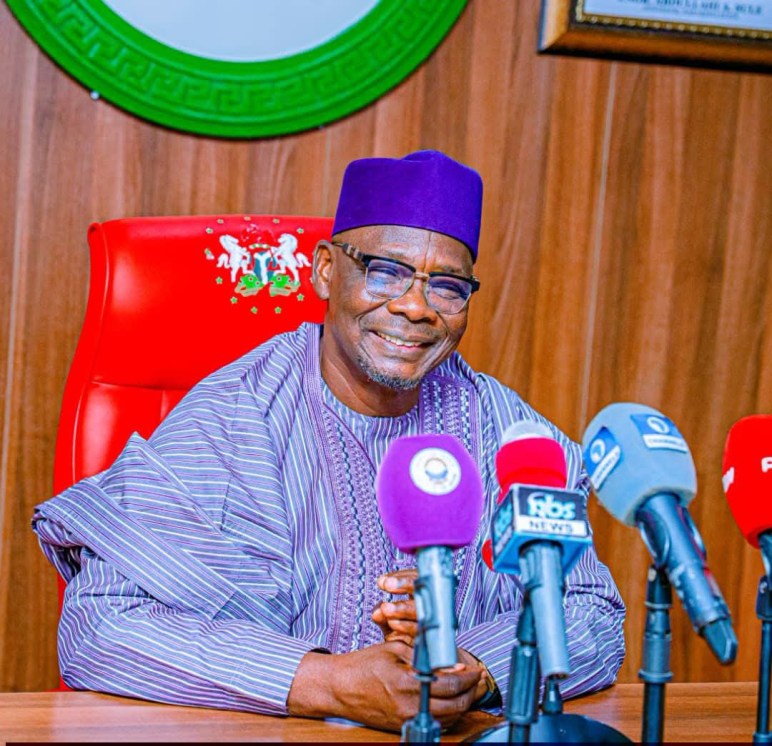
It was indeed, against this backdrop that Governor Abdullahi Sule, while speaking at the swearing-in ceremony of some appointees at Government House yesterday, urged political parties, candidates and their supporters to avoid actions capable of threatening the unity and peaceful coexistence of the state ahead of the 2027 general elections.
He said, “Our political differences must not be allowed to undermine the unity and peaceful coexistence which we have worked very hard to sustain.”
The governor then warned against hate speech, inflammatory statements, character assassination, intimidation and the destruction of campaign materials, stressing that all political activities must be conducted peacefully and in accordance with the law.
Of-course politics is supposed to be a contest of ideas, policies and leadership capacity. Unfortunately, the way some political actors conduct their campaigns raises serious concerns about the kind of political environment we are creating for ourselves.
One disturbing aspect is the use of social media to rain abuses on opponents. Political communication should not become a tool for deception, provocation and for creation of public distrust.
The danger of this kind of political manoeuvring cannot be underestimated. When political actors deliberately misrepresent events or circulate misleading or abusive content, it risk creating unnecessary tension among supporters, it risk deepening divisions and encouraging hostility between people who may otherwise live peacefully together. In a state as diverse as Nasarawa state, such actions can have consequences far beyond these elections.
Of course, the opposition has every right to criticise the government. In fact, a vibrant opposition is essential to democracy. Opposition parties should question government policies, but must propose alternatives.
However, criticism must not be confused with incitement, just as political competition must not become an excuse for spreading falsehoods. The fact that a party wants to win an election does not give its supporters or sympathisers the licence to undermine the peace of the state.
No party should be above criticism, and no party should be unfairly targeted through fabricated stories or media manipulation.
As we approach 2027 political parties and their supporters in Nasarawa state must understand that social media is a powerful tool that can either strengthen democracy or weaken it. A misleading or abusive video can spread across the state within minutes, and a false claim can provoke anger before the truth has an opportunity to emerge. Those who create and distribute such content must therefore act responsibly.
Elections should be about the future of Nasarawa state, not about who can provoke the greatest outrage or manufacture the most damaging abusive words.
The 2027 election must not become a do-or-die affair. Political power is temporary, but the consequences of violence, hatred and broken relationships can endure long after the ballots have been counted.
Let every party campaign vigorously, but let every party also respect the rules of democratic engagement. Let supporters defend their candidates with facts and arguments rather than insults, falsehoods and incitement.
Nasarawa state needs issue-based campaigns, let the campaign win the hearts and minds, not to poison the minds and hearts against one another.

