
By Rayyanu Bala
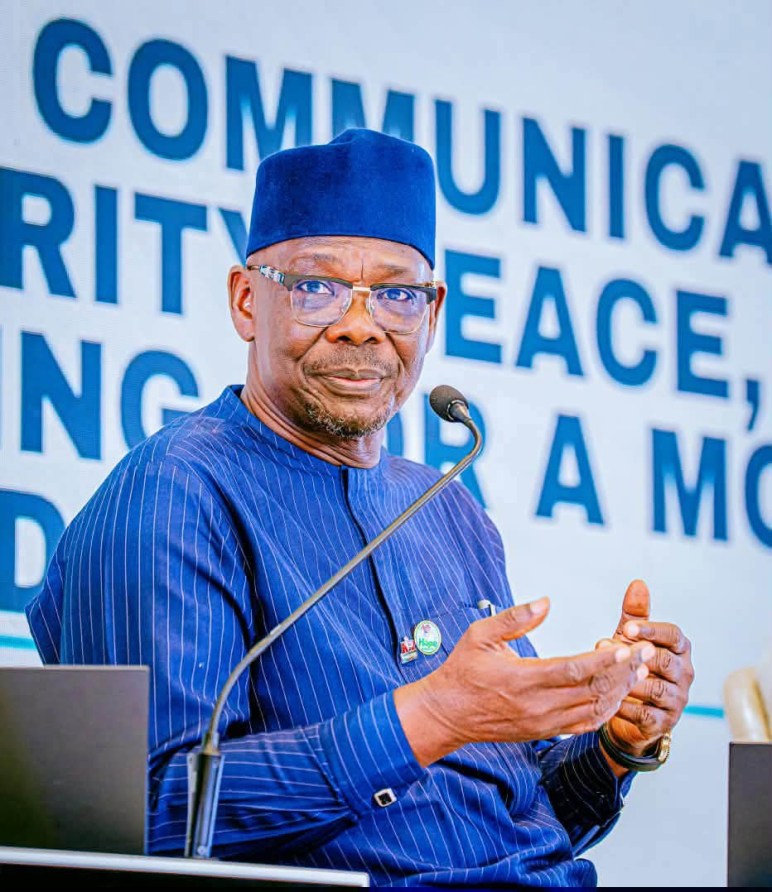
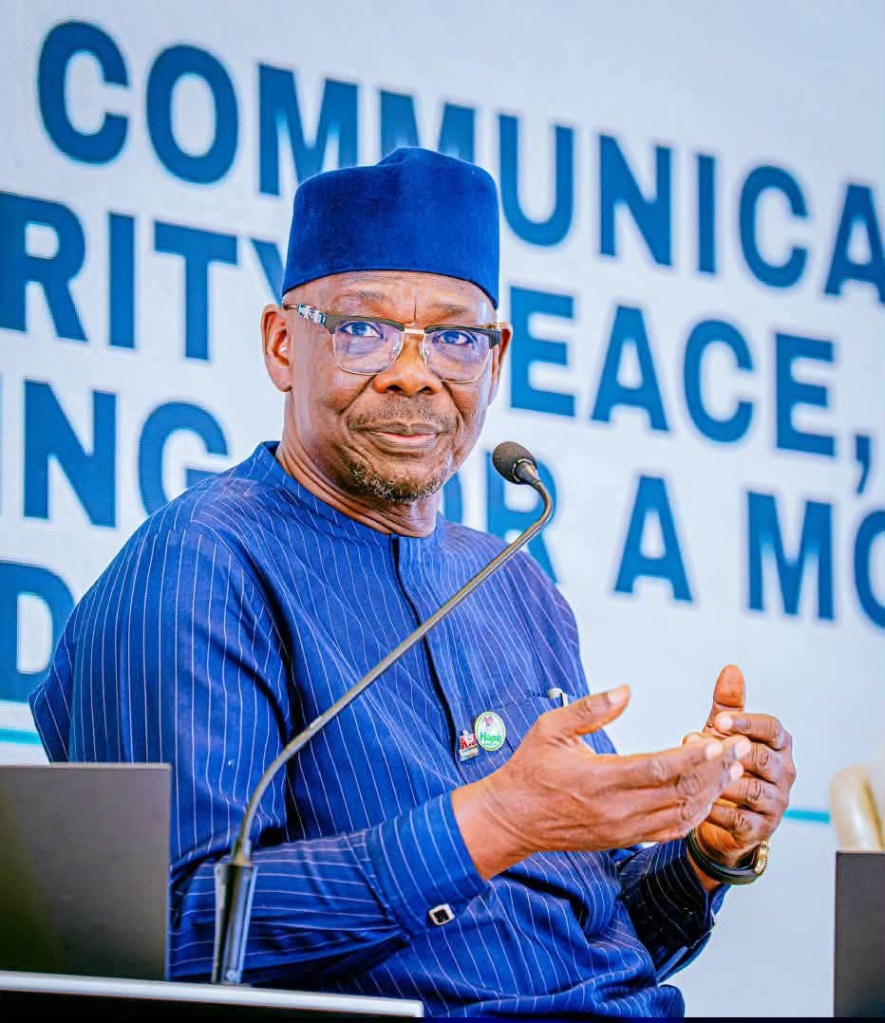
Governor Abdullahi Sule, during his remarks while receiving members of the former CPC and ACN political families in his office last Monday, stated that the factors that informed his preference for Wadada as his successor were fairness and equity, not financial considerations.
Unfortunately, some disgruntled politicians who have fallen out of favour and defected to opposition parties have, as usual, attempted unsuccessfully to twist his remarks and give them a different interpretation.
The truth remains that, among the reasons Governor Sule had for preferring Wadada as his successor, the primary considerations were those he clearly highlighted during the visit of the former CPC and ACN members. The other reasons he had given on previous occasions were secondary considerations.
We must understand that, in every decision one makes in life, there are usually primary and secondary reasons or considerations. It is therefore important to distinguish between the two rather than deliberately misrepresenting the governor’s position for political advantage.
On Issues of Zoning
Let us put the facts in proper perspective: political power-sharing arrangements recognise the three senatorial zones of Nasarawa State, not federal constituencies or local government areas within those zones.
At the national level, Nigeria’s political balancing is broadly discussed along two geopolitical zones: North and South. At the Nasarawa State level, the recognised political structure comprises three senatorial zones: Western, Southern and Northern Zones. There is no established state-level power-sharing formula that elevates a federal constituency within a senatorial zone.
So, where does this sudden argument for micro-zoning come from? Who established it as the constitutional or political condition for determining who deserves to govern Nasarawa State?
Consider a very practical example from Nigeria’s political history. Former President Olusegun Obasanjo is from the South-West. President Bola Ahmed Tinubu is also from the South-West. Yet, when Tinubu was campaigning in 2023, nobody reasonably argued that because Obasanjo had previously governed Nigeria from the South-West, the presidency must automatically move to the South-East or South-South, rather than the South-West again.
Why? Because the recognised political balancing was between North and South, not between the six geopolitical zones in Nigeria.
The same principle applies to Nasarawa State. Since the political understanding is based on the three senatorial zones, the Western Zone has its legitimate political identity. You cannot suddenly introduce micro-zoning as a compulsory principle only when it becomes convenient to advance a particular political ambition.
Equity does not mean creating new rules to satisfy individual political interests.
The claim that four out of five federal constituencies have produced governors does not matter, since the federal constituency did not produce the governor fall within the same senatorial district. Democracy is not a lottery in which every federal constituency must take its turn.
Now, if we accept that every federal constituency must take its turn, where does that lead us? Before long, some will argue that every local government must also have its turn, and eventually, we will agitate for every ward to have its turn to govern Nasarawa State. It was indeed to prevent such fragmentation that the framers of the zoning principle organised it around broader, recognised political structures to avoid conflicts.
On this score, we must admit that Governor Sule is entitled to exercise his political judgment in determining whom he believes can best sustain APC’s political fortunes and advance the interests of Nasarawa State. Disagreeing with his decision is a legitimate political right, but disagreement should not be disguised as proof of injustice, lack of fear of God or betrayal.
As for the allegation that Abuja-based investors influenced his decision on Wadada, those making such claims should know that these are all secondary considerations. The primary considerations, as the governor stated, were the fear of God, equity and the principle of zoning.
At this juncture, we must also try to distinguish between a personal promise and an established political zoning arrangement. Even if political assurances were made to individuals, such assurances do not automatically become a binding constitutional provision or an irrevocable entitlement. Politics involves consultations, negotiations, changing circumstances and difficult choices.
Those opposed to the position the governor took on Wadada should understand that, while they preach fairness, attempting to invalidate the legitimate aspirations of Wadada and Governor Sule is equally unfair. Both are entitled to their aspirations. Democracy provides such leverage.
If we are going to discuss justice, let us discuss it consistently. If we are going to discuss zoning, let us respect the recognised zoning structure.
The zoning formula in Nasarawa State is built around three senatorial zones: North, South and West. Not five federal constituencies, not thirteen local governments, and certainly not an endless chain of micro-zoning.
Justice must be based on established principles, not sentiments manufactured to justify political disappointment.
What is right should remain right, regardless of whether it is politically convenient for some or not.

