
By Rayyanu Bala
There is no doubt that access to affordable healthcare and financial support remains a major concern for many families, particularly vulnerable women who struggle daily to meet their basic needs. In a society where the cost of living continues to put pressure on household incomes and access to quality healthcare is still a challenge for many communities, any intervention that addresses these needs deserves public attention.
This is why the planned statewide free medical outreach programme and the proposed disbursement of ₦100,000 each to vulnerable women across Nasarawa State deserve commendation for the practical needs they seek to address.
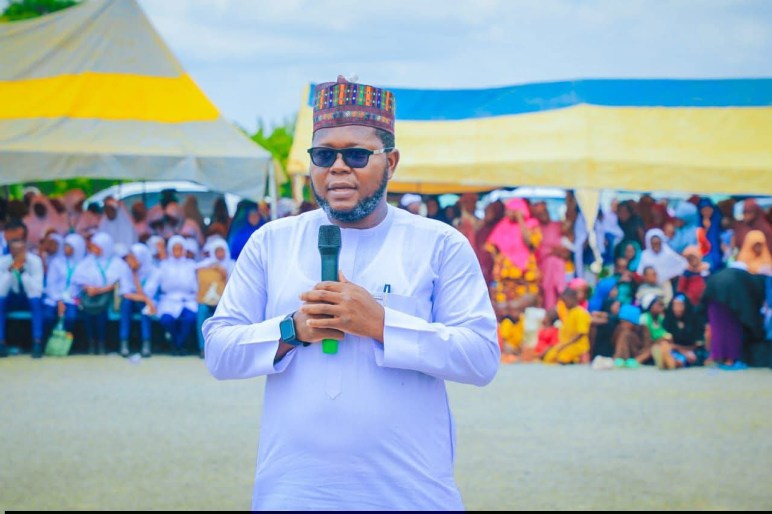
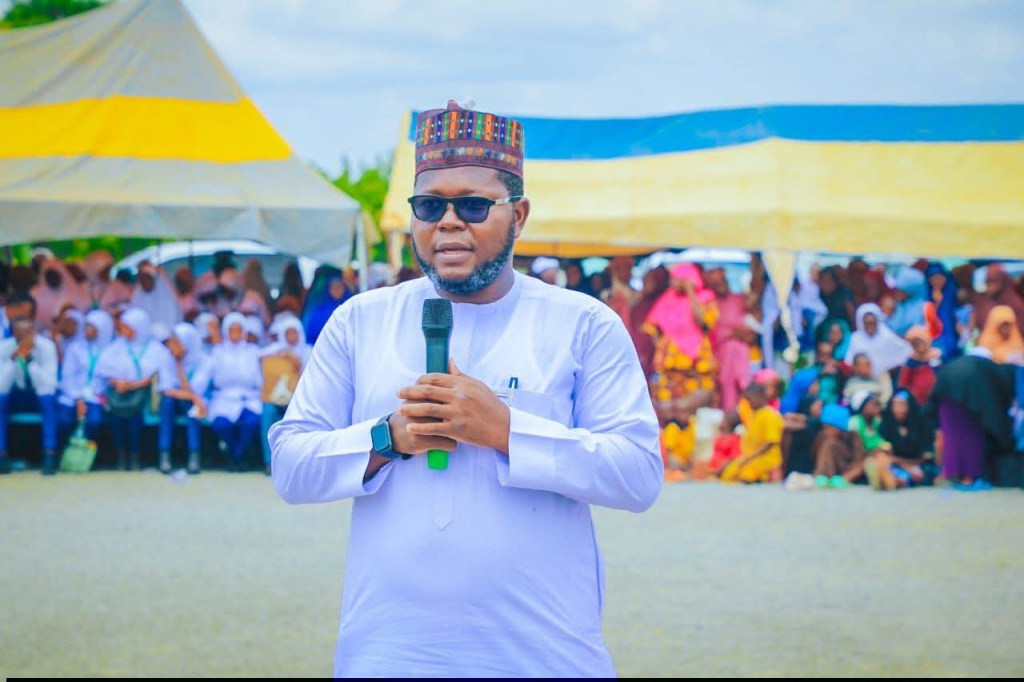
The initiative, being championed by the Executive Secretary of the Nasarawa State Primary Healthcare Development Agency (NAPHDA), Dr. Usman Iskilu Saleh, is expected to bring relief to thousands of residents across the state’s 13 Local Government Areas. More importantly, it demonstrates the importance of connecting healthcare delivery with social support, especially for people who are economically disadvantaged.
Quite frankly, this intervention could not have come at a better time.
For many vulnerable women, accessing medical care is not always a straightforward decision. Sometimes, the challenge is not the absence of a health facility but the inability to afford transportation, medication, consultation and other associated costs. Some women are forced to postpone medical attention because they have more pressing household responsibilities and limited financial resources.
The proposed free medical outreach therefore offers an opportunity to bridge this gap. By taking healthcare services closer to the people through designated Primary Healthcare Centres, the programme will help reduce the financial and geographical barriers that prevent many residents from accessing essential medical services.
The importance of this exercise cannot be overstated. Healthcare is not a luxury; it is a basic necessity and a fundamental part of human dignity. When people can access medical attention without worrying about the immediate financial burden, families benefit, communities become healthier and preventable health complications can be addressed earlier.
Equally significant is the proposed ₦100,000 financial assistance to vulnerable women. At a time when economic hardship has made life increasingly difficult for low-income households, such support could make a meaningful difference.
For a struggling woman, ₦100,000 may provide an opportunity to purchase essential household items, support a small trading activity, meet pressing family needs or address other immediate challenges. Although the amount may not solve every financial problem, it can provide timely relief and create a little breathing space for beneficiaries.
Beyond the immediate financial benefit, the intervention also recognises the important role women play in sustaining families and communities. Supporting vulnerable women is, in many ways, an investment in household stability, children’s welfare and the general wellbeing of society.
This is where Dr. Usman Iskilu Saleh deserves particular recognition for initiating and championing an intervention that brings these two important areas of human development together: healthcare and economic support.
Leadership in the health sector should not be measured only by administrative activities or the number of meetings held. It should also be reflected in practical initiatives that respond to the everyday challenges of ordinary people. The proposed outreach and financial assistance demonstrate an approach that places community needs at the centre of public health intervention.
Dr. Saleh’s initiative is particularly noteworthy because it seeks to extend services beyond the state capital and reach residents in all 13 LGAs. From Awe to Akwanga, Doma, Karu, Keffi, Keana, Kokona, Lafia, Nasarawa, Nasarawa Eggon, Obi, Wamba and Toto, the programme is designed to bring healthcare closer to communities that need it.
The decision to utilise existing Primary Healthcare Centres is also important. These facilities are strategically positioned to serve local populations, and using them for the outreach provides an opportunity to strengthen community-level healthcare delivery.
The scheduled flag-off at the Comprehensive Primary Healthcare Centre, Kwandare, Lafia, on Tuesday, December 1, 2026, followed by the outreach activities across the 13 LGAs on December 2 and 3, represents an important opportunity to translate the programme’s objectives into tangible benefits for residents.
However, as the state prepares for the exercise, attention must also be given to effective implementation. The selection of beneficiaries for the ₦100,000 support should be transparent, fair and based on clearly established vulnerability criteria. The medical outreach should equally be properly coordinated to ensure that residents in all designated locations receive the services promised.
It is important that the programme goes beyond a successful flag-off ceremony. What will ultimately matter is the number of people reached, the quality of medical services provided and the extent to which the financial assistance gets to the women who genuinely need it.
Indeed, the people of Nasarawa State need interventions that touch their lives directly. They need programmes that recognise their economic realities, address their healthcare challenges and demonstrate that public institutions can respond to their needs.
For Dr. Usman Iskilu Saleh, this initiative provides an opportunity to demonstrate the human impact of public health administration. His efforts in championing the programme deserve acknowledgement, particularly for bringing financial support for vulnerable women into an intervention that also focuses on access to healthcare.
The true success of this exercise will not be determined by the speeches delivered at the flag-off ceremony or the publicity it generates. It will be measured by the smiles of women who receive the financial assistance, the relief of residents who obtain medical attention without paying for the services covered by the programme, and the lives that benefit from improved access to healthcare.
As the December 1 flag-off approaches, the expectation is that all relevant stakeholders, healthcare workers, community leaders and residents will support the successful implementation of the exercise.
Indeed, it has come at the right time, and the hope is that it will mark the beginning of more people-centred initiatives that place the health, dignity and welfare of ordinary citizens at the heart of public service.

