
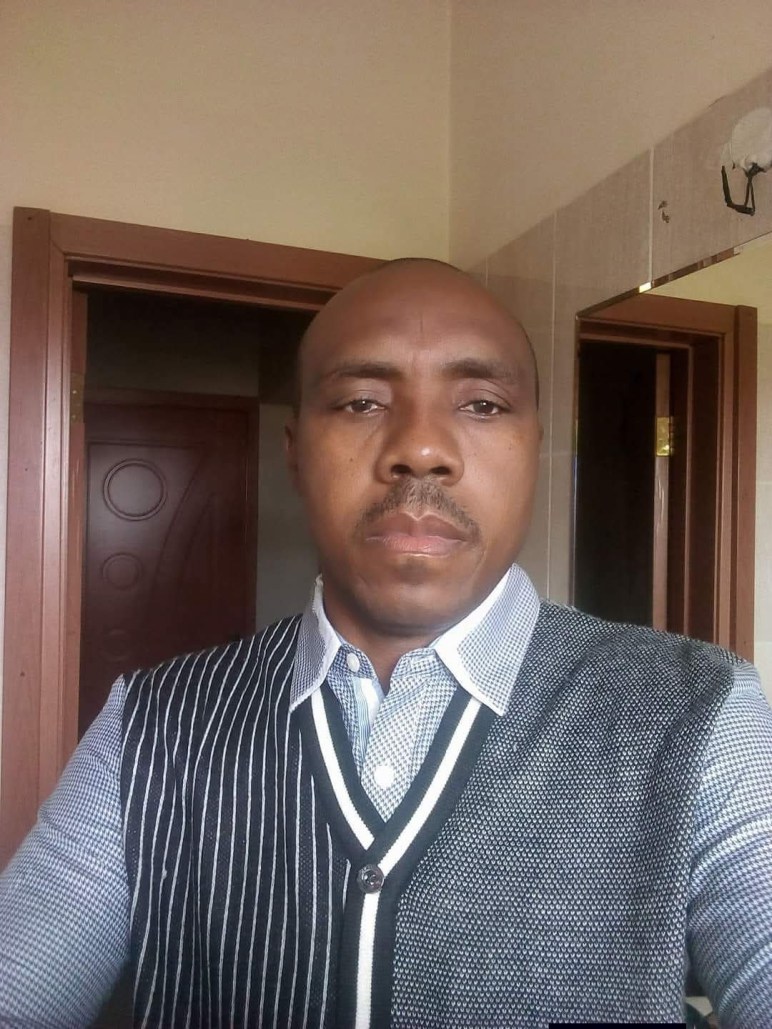
By Rabi'u Garba Sufyan.
The urgent need for tolerance and peaceful coexistence in Nigeria — particularly across the North — is being eroded by a dangerous sentiment: the “indigene versus settler” divide. This question, often weaponized during elections, land disputes, or access to public opportunities, threatens to undo decades of national integration.
Yet the Constitution of the Federal Republic of Nigeria 1999 (as amended) is unambiguous on this matter. Our law recognizes only one class of citizen.
What the Constitution Says
Section 15(2) prohibits discrimination on grounds of place of origin, sex, religion, status, ethnic or linguistic association. Section 41(1) guarantees every citizen the right to “move freely throughout Nigeria and to reside in any part thereof.” Section 42(1) reinforces this, stating that no citizen shall be subjected to disabilities or restrictions because of the community, ethnic group, or place of origin of his birth.
In simple terms: once you are Nigerian, you are Nigerian everywhere in Nigeria. The Constitution does not create first-class and second-class citizens based on ancestry.
The Reality on the Ground
The tragedy of the indigene/settler sentiment is that it often targets families who have lost all ties to their “ancestral” states. Their grandparents — and sometimes great-grandparents — were born, raised, schooled, and buried in their place of “settlement.” They speak the local language, marry locally, and know no other home. To ask them to “go back” is to ask them to become stateless in their own country.
More striking is the contribution of these so-called settlers. Across Northern Nigeria, they are often the backbone of commerce, education, healthcare, and skilled trades. They build markets, establish schools, pay taxes, and invest in property. In many communities, they have been trusted with the ballot and elected as councillors, local government chairmen, and state or federal legislators to represent the very people who now question their legitimacy.
To develop a state while excluding those driving that development is both unjust and self-defeating. Why do we derived pleasure in soliciting for their donations when the needs warrant and possibly make them chief launchers or co launchers but when it comes to politics we are quick to classify them as settlers.
Why We Must Dissuade the Sentiment
- It Violates the Law: Any policy or practice that denies a Nigerian employment, scholarship, land, or political participation because his father was not born in that state offends Sections 15, 41, and 42 of the Constitution.
- It Weakens Us Economically: No society prospers by alienating its most productive residents. Capital, talent, and enterprise go where they are safe and welcome.
- It Breeds Conflict: The indigene/settler dichotomy has fueled avoidable crises from Jos to Zangon Kataf to countless smaller communities. We cannot build peace on a foundation of exclusion.
- It Contradicts Our History: Pre-colonial Nigeria saw extensive migration. Hausa traders in Yorubaland, Nupe settlers in Kaduna, Igbo communities in Kano — mobility and coexistence are part of who we are.
The Way Forward
The solution is not to erase identity. Every Nigerian should be proud of his culture and ancestry. The solution is to enforce citizenship. States and local governments must:
- Domesticate Residency Rights: A Nigerian resident for 10 years, paying tax and contributing to the community, should enjoy the same access to state services as any other resident.
- End Discriminatory Policies: “State of origin” should not override “state of residence” in employment, school admission, or political appointment where the law permits.
- Lead by Example: Traditional rulers, religious leaders, and elected officials must publicly reject indigene/settler rhetoric. Peace is a leadership product.
- Educate: Civic education must teach young Nigerians that their Constitution gives them one identity — citizen — that travels with them from Sokoto to Bayelsa.
Nigeria’s strength has never been in our sameness, but in our ability to live together despite our differences. The indigene/settler question asks us to be smaller than our Constitution. We must choose to be bigger.
To persecute a man in the only home he has ever known is to deny the very idea of Nigeria. We can — and must — do better.
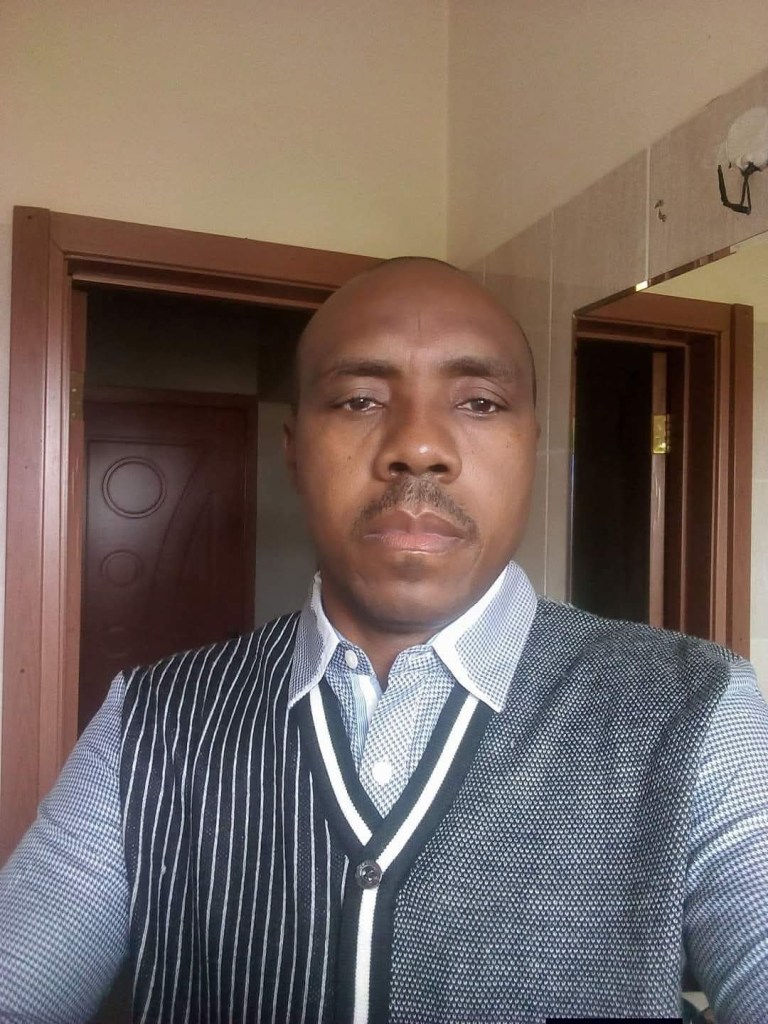
Sufyan is from Lafia Nasarawa state, but lives in Kaduna.

