

By Our Reporter
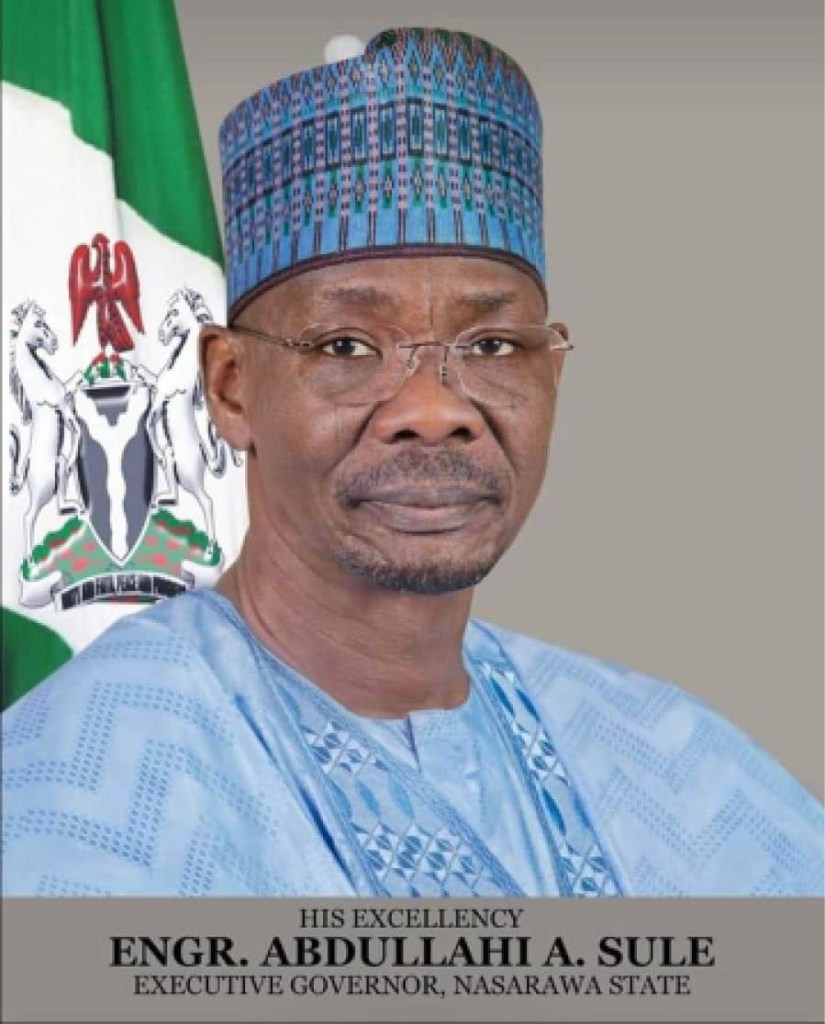
A call has been made for urgent government action in Nasarawa State to curb the use of divisive identity labels such as “indigene” and “settler” in political discourse, amid concerns that such language could fuel conflict if left unchecked.
In a strongly worded opinion, Joseph Musa urged the government to criminalise the political use of the terms, arguing that they have historically contributed to discrimination, inequality, and violence across Nigeria.
Musa noted that while the labels are often used casually, they carry deep political implications, frequently determining access to land, employment, education, and political power. According to him, this entrenched divide has been a major driver of communal tensions in parts of the country, particularly in Plateau State, where repeated clashes have been linked to indigene-settler disputes.
He warned that such classifications can evolve from administrative descriptions into rigid identity markers that foster exclusion and resentment. “What begins as a label can become a justification for discrimination and, ultimately, violence,” he argued.
Drawing a historical parallel with the Rwandan Genocide, Musa highlighted how identity labels can be weaponised over time. He explained that divisions between Hutu and Tutsi, once fluid, were hardened by political systems and later exploited to devastating effect, culminating in mass killings in 1994.
While acknowledging that Nigeria’s context differs, Musa stressed that the underlying risk remains similar when political systems legitimise identity-based exclusion.
He further pointed to the persistent crises in Plateau State as a closer example, noting that disputes over belonging and rights have led to cycles of violence and deep social fractures. According to him, these conflicts demonstrate how difficult it becomes to reverse divisions once they are embedded in political language.
Musa argued that Nasarawa now faces a critical choice: to continue tolerating divisive rhetoric or to proactively promote a more inclusive civic identity. Criminalising the political use of “indigene” and “settler,” he said, would reinforce the principle that citizenship—not ancestry—defines belonging.
He outlined three key benefits of such legislation: preventing discrimination in governance, limiting the ability of political actors to exploit identity divisions, and fostering unity based on equal rights.
Addressing potential criticism, Musa acknowledged that banning words alone would not resolve underlying tensions but insisted that language plays a powerful role in shaping societal attitudes and actions.
“The danger is not just in violence itself, but in how it begins—with words that divide people into ‘us’ and ‘them,’” he said.
He concluded by urging the government to act swiftly, warning that delaying intervention could allow harmful narratives to take deeper root.
“The time to act is now,” Musa said, adding that preventive measures are essential to ensure that “words do not become weapons and neighbours do not become enemies.”

