
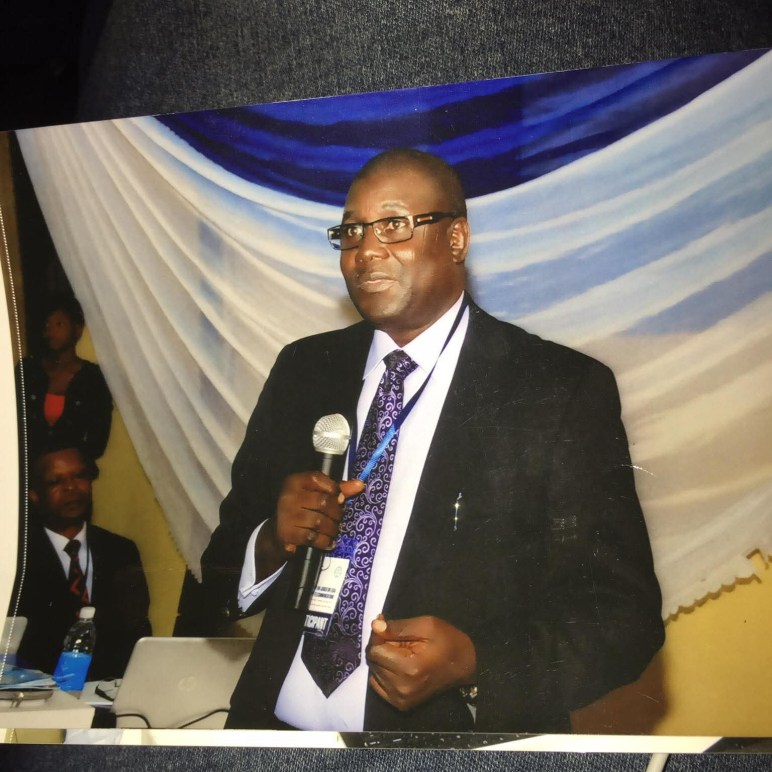
By Justice Abdullahi Liman
I welcome the spirited engagement of the Forum of National Youth Presidents (Ethnic Nationalities) with the political future of Nasarawa State. In a democracy, every group has the sacred right to articulate its concerns, and I commend the Forum for reaffirming the imperative of transparent primaries and a level playing field within the All Progressives Congress. Yet, while I share their commitment to due process, I must, with utmost respect, reject the narrow and ultimately self-defeating path they have chosen: the elevation of indigeneity and ethnic affiliation as the paramount qualification for leadership.
The Constitution of the Federal Republic of Nigeria is unambiguous. Section 42(1) prohibits discrimination against any citizen on the grounds of ethnic group, place of origin, or any other such consideration. Every Nigerian who meets the basic qualifications enshrined in the Constitution has an inalienable right to aspire to any elective office in any part of the federation—including the governorship of Nasarawa State. This is not a privilege granted by ethnic gatekeepers; it is a fundamental right guaranteed by the supreme law of the land. To suggest otherwise is to place parochial sentiment above the sovereign will of the Constitution itself.
The insistence on an “indigenous” candidate, coupled with the veiled threat to mobilise against any “non-indigenous” aspirant, represents the very myopia that has held our state and nation hostage for far too long. Ethnic politics is not merely divisive; it is profoundly short-sighted. It reduces complex questions of governance, economic development, security, and service delivery to a crude census of bloodlines. It blinds us to competence, vision, and proven capacity. In an era when Nasarawa desperately needs leaders who can harness our diverse talents, bridge our differences, and drive inclusive growth, we cannot afford the luxury of tribal arithmetic. History is littered with the wreckage of societies that chose the comfort of ethnic solidarity over the rigour of merit and broad-based consensus. We must refuse to add Nasarawa to that regrettable list.
Worse still is the danger inherent in the indigene–settler dichotomy. This artificial and corrosive distinction has no place in a modern, constitutional democracy. It breeds resentment, entrenches exclusion, and plants the seeds of future conflict. When citizens who have lived, worked, paid taxes, and contributed to the development of our state for generations are labelled “settlers” and told they may not aspire to its highest office, we do not advance justice—we institutionalise injustice. We do not deepen equity—we fracture the very idea of a common citizenship. Nasarawa does not belong to any single ethnic nationality; it belongs to all who call it home and labour for its progress. To pretend otherwise is to turn our back on the Nigerian project itself.
I therefore call on the good people of Nasarawa—youth and elders, indigenes and residents alike—to rise above the seductive but dangerous siren song of ethnic politics. Let the forthcoming APC primaries be a contest of ideas, character, and capacity, not a referendum on ancestry. Let every qualified aspirant, regardless of ethnic extraction, be judged by the content of their vision and the strength of their connection to the aspirations of our people. True leadership emerges not from imposed ethnic vetoes, but from the collective wisdom of an enlightened electorate exercising its democratic franchise.
The Forum of National Youth Presidents has correctly urged calm and decorum. While I sincerely echo that call, but I go further: let us channel our energies into building a Nasarawa where citizenship trumps nativity, where merit eclipses ethnicity, and where the only “indigene” that truly matters is the one who serves the state with integrity, competence, and love for all her people. The future we deserve is not one of ethnic fortresses, but of a united, prosperous, and indivisible Nasarawa State.
This is not merely my opinion. It is the promise of our Constitution, the demand of our democracy, and the only path worthy of the next generation.

