
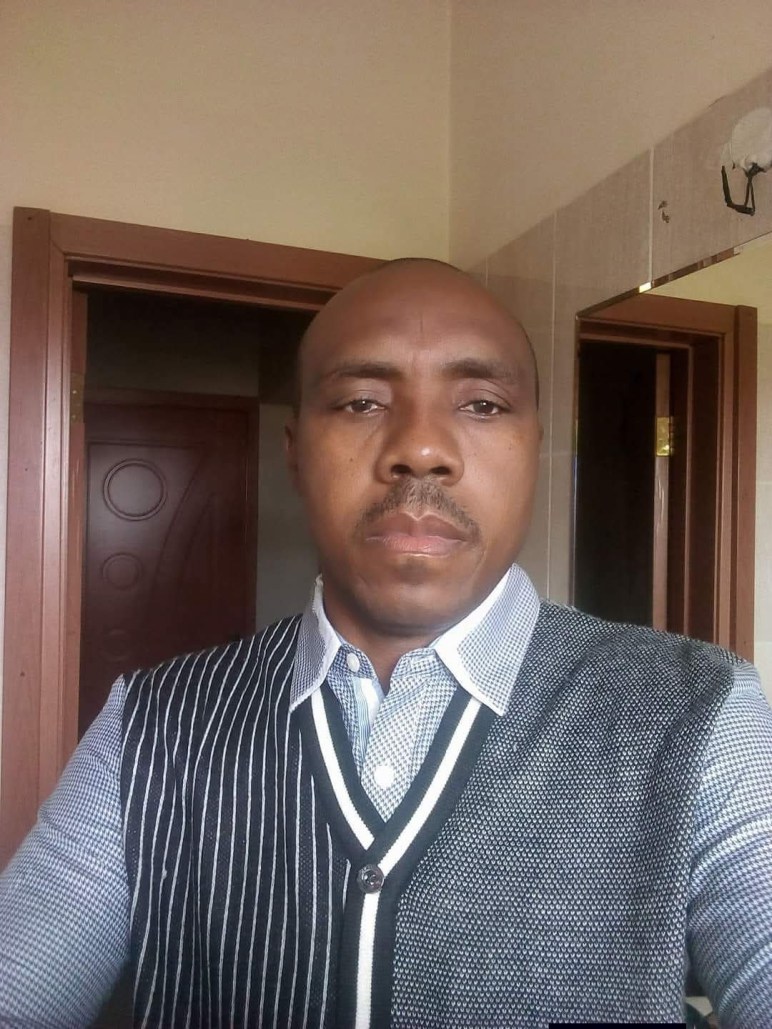
Rabi’u Garba Sufyan
There is a Hausa saying: “Idan ka hana kura lahira, ka hana kanka” — “If you deny a hyena a share, you deny yourself peace.” In Nigerian politics today, too many leaders have forgotten this wisdom.
Across several states, power is being caged inside family compounds. Federal board seats, state commissionerships, local government contracts — all quietly cornered for brothers, sons, in-laws, and cousins. Meanwhile, the loyal party faithful, the brilliant technocrats, and the street captains who carried posters in the rain are told to “wait for their time.”
At first, it feels safe. Jinin mutum yafi ruwa, they say — “Blood is thicker than water.” But politics is not a family kitchen. It is a marketplace of interests. And when the storm comes, as it always does, the leader who built only a family finds himself in an empty room.
1. A Tower Without Pillars Will Fall
We have seen it repeatedly: a former governor or minister faces a political battle — maybe an imposition by a successor, maybe a party crisis — and looks around for allies. The same men he appointed, the same youths he ignored, are now on the other side. Some even exchange harsh words with him in public. Why? Because “abin da ka shuka, shi zaka girba” — you reap what you sow. Loyalty cannot be decreed; it is grown from the soil of fairness.
A leader who mentors only his household is like a man who builds a tall tower but removes the ladder after climbing. When he needs to come down, there is no one to help. When he needs defenders, there is no voice. Power without a base is loneliness in uniform.
2. Mentorship Is the Real Political Insurance
Appointments should not be retirement benefits for family members. They are seed capital. Every commissioner you raise on merit becomes a branch of your influence. Every special adviser you train becomes a library of your ideas. Ten years out of office, it is not your children who will explain your policies on radio — it is the men and women you empowered.
The elders say, “Duk wanda ya koya maka kamun kifi, ya fi wanda ya baka kifi” — “He who teaches you to fish is greater than he who gives you fish.” Give your family fish if you must, but teach others to fish. That is how a legacy survives elections.
3. Respect Is the Currency That Never Devalues
Nigerians have long memories. They may forget budgets and blueprints, but they never forget who opened a door for their child. A leader who carries everyone along buys a kind of respect that no defeat can erase. Even in retirement, his compound remains a place of consultation, because “girma da mutunci, ba a saye su da kudi” — “respect and honor are not bought with money.”
Contrast that with the man who shared power like a family heirloom. His phone stops ringing the day he leaves office. His once-busy gate becomes a lesson: “Sai ka rena mutane, su ma su rena ka” — “If you despise people, they will despise you.”
4. The Final Audit of Leadership
Every public office holder should ask one question: “After I’m gone, who will stand up in my defense when I’m not in the room?” If the only names you can mention are from your family tree, then you have governed for yourself, not for history.
True leaders are remembered by the number of destinies they changed. The convoys will vanish. The sirens will go silent. What remains is the roll call of men and women who say, “I am what I am because he gave me a chance.”
A Word to the Wise
- Let merit breathe: If your son is qualified, let him compete openly. If he is not, let the system reject him. Shielding weakness only guarantees future disgrace.
- Build a pipeline: Scout for talent in LGAs, campuses, professional groups. Appoint them early, correct them privately, defend them publicly.
- Balance the table: In every round of appointments, reflect loyalty, competence, geography, and inclusion. People can live with not getting everything, but they cannot live with being invisible.
- Think beyond tenure: The aide you ignore today may be the delegate you need tomorrow. “Rana bata karya” — “The sun does not lie.” Time exposes every foundation.
Nigeria needs leaders who understand that to rule alone is to fail alone. The strongest political houses are not those that occupy every seat, but those that produce leaders for every seat.
As the proverb warns, “Mai hanyar kudi daya, talaka ne” — “The man with only one source of wealth is a poor man.” The man with only one circle of loyalty is a poor leader.
Gina mutane, ba zuri’a kawai ba. Build people, not just your lineage. That is how you earn respect that outlives power.
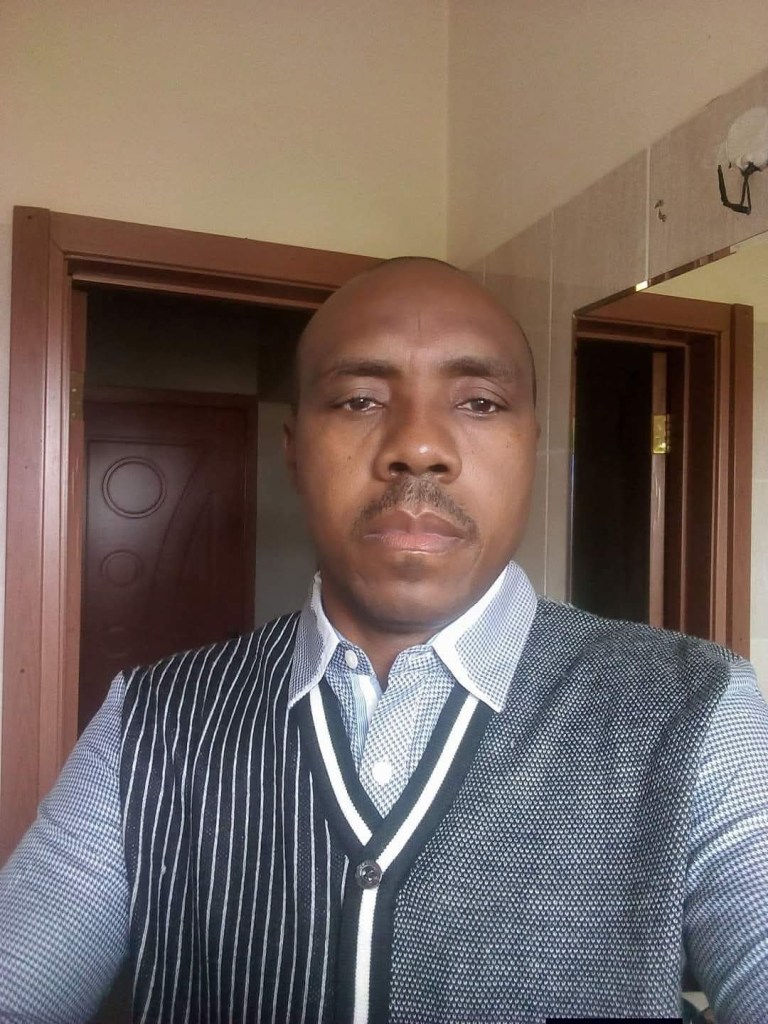
Garba contributed this piece from Kaduna
 nasarawaeye.com