
The Nasarawa State Internal Revenue Service (NSIRS) has reaffirmed its commitment to a lawful, transparent, and business-friendly tax administration system with the immediate abolition of all unauthorized roadblocks used for tax and haulage revenue collection across major highways in the state.
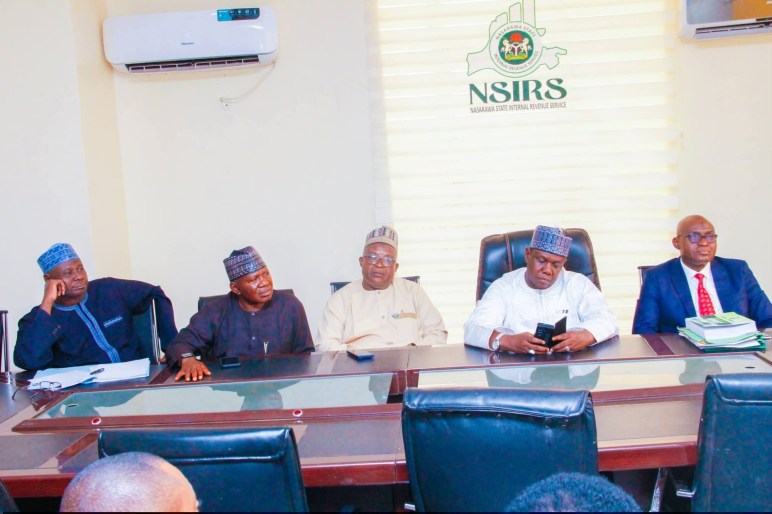
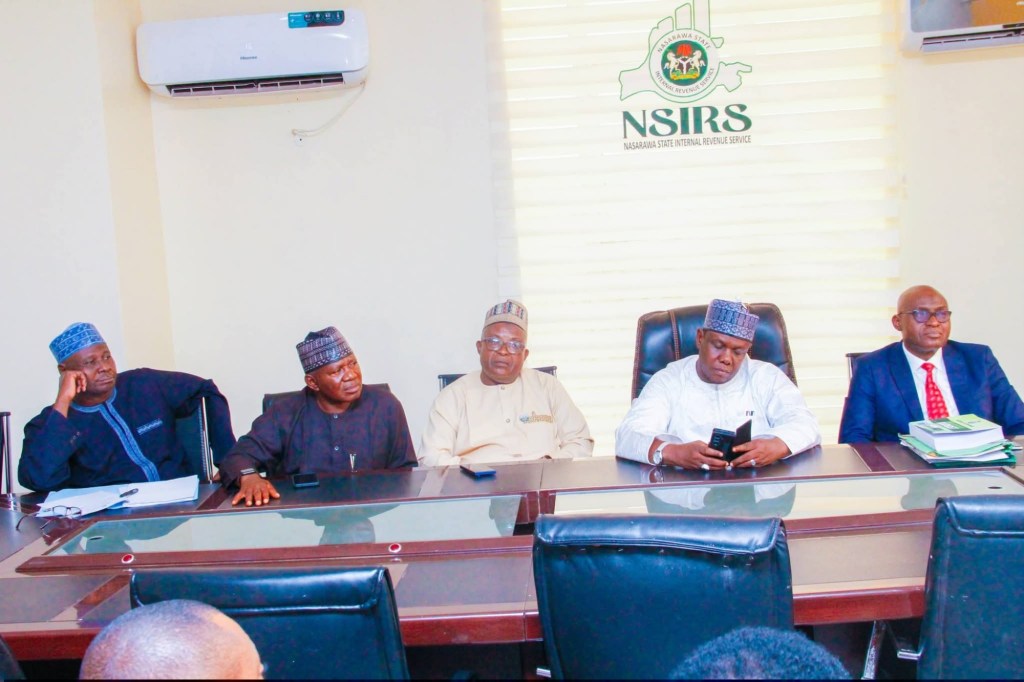
The Executive Chairman of NSIRS, Ibrahim Sarki Adamu, FCNA, FCTI, announced the directive during a strategic meeting held at the Service’s Corporate Headquarters in Lafia. The meeting brought together members of the NSIRS Board, consultants engaged in haulage revenue collection, and staff of the Service.
Speaking at the meeting, Sarki stressed that haulage revenue collections must only be carried out at officially designated loading and offloading points, which remain the legally recognized channels for such operations.
He warned that any consultant, agent, or individual found operating unauthorized roadblocks in violation of the directive would be sanctioned in line with the provisions of the law.
According to the NSIRS Chairman, the decision is in compliance with the provisions of the new tax laws, which expressly prohibit the use of roadblocks for revenue collection activities.
To ensure strict adherence, Sarki disclosed that the Service would establish a dedicated enforcement team to monitor revenue collection operations across the state and take appropriate action against defaulters.
He noted that the move is aimed at promoting an efficient, accountable, and legally compliant revenue collection process while supporting economic growth and improving the ease of movement for goods and persons throughout the state.
In their response, consultants involved in haulage revenue collection pledged full compliance with the directive and expressed their commitment to operating within the legal framework established by the government and the Service.
The development is expected to eliminate disruptions caused by illegal roadblocks, enhance the state’s business environment, and strengthen public confidence in the tax administration system.

