
By Rayyanu Bala
Politics even a civilised clime is not only about ambition but is also about character. It is easy to stand by a principle when circumstances work in one’s favour, however the real test comes when events unfold differently from our expectations.
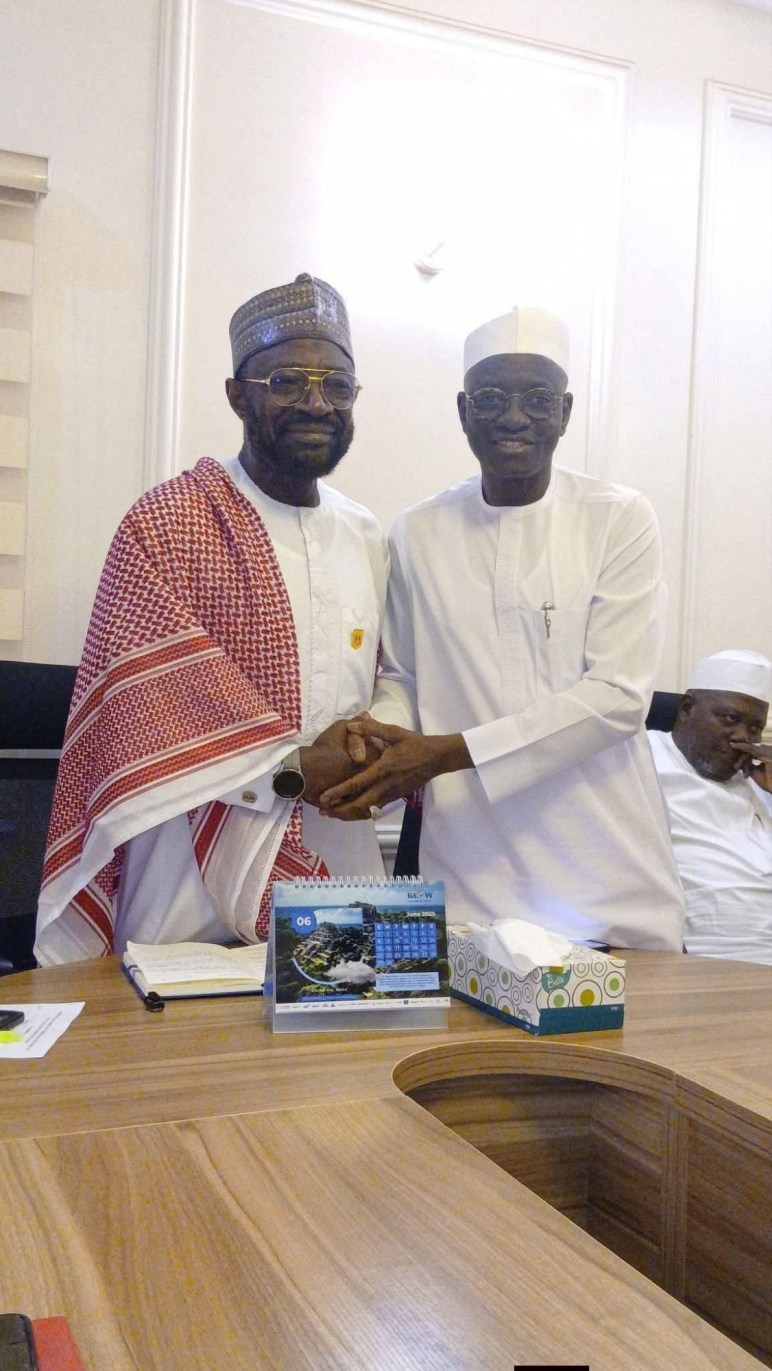
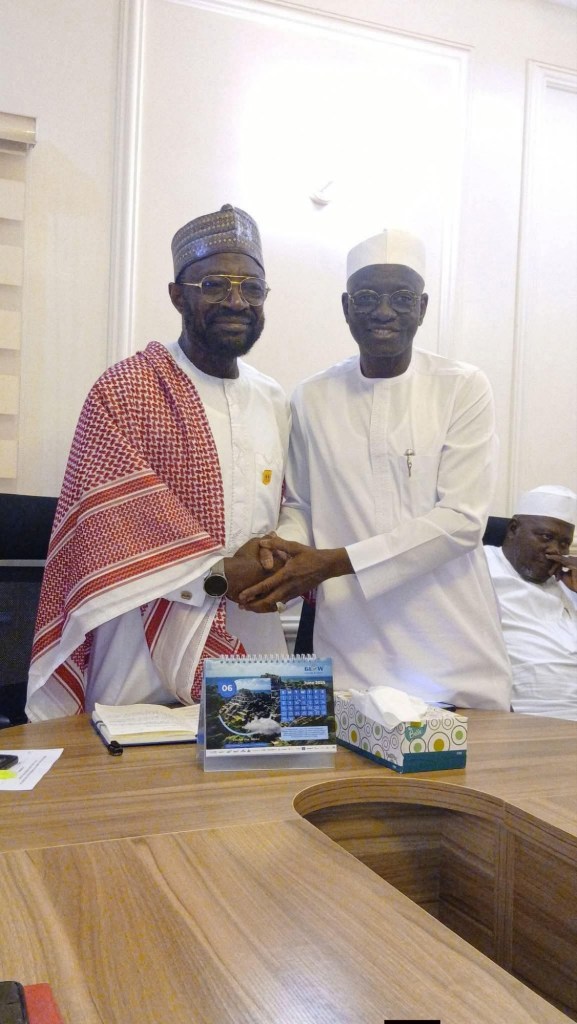
The recent comments attributed to Prof. Mohammad Sani Haruna regarding the outcome of the APC gubernatorial primary election in Nasarawa State has generated considerable discussion within the state and beyond. According to reports, Prof. Haruna informed Senator Ahmed Aliyu Wadada during a reconciliation visit that he did not consider the primary election free, fair, or credible, that explains why he did not congratulate him.
No one disputes the right of any aspirant to question an electoral process or seek redress through the appropriate party mechanisms. Democracy thrives when concerns can be raised and addressed through established procedures. However, what makes this situation particularly noteworthy is the contrast between Prof. Haruna’s current position and the commitments he made before the primary election.
Before the contest, Prof. Haruna, along with other aspirants, publicly pledged loyalty to the party leadership and expressed readiness to support Governor Abdullahi Sule’s choice of a preferred successor for the sake of unity and continuity within the APC. That commitment was presented as a sacrifice for the greater good of the party and was widely welcomed as a demonstration of maturity and discipline.
Yet when Governor Sule eventually threw his support behind Senator Ahmed Wadada Aliyu, the political landscape changed. Rather than standing by the position he had previously endorsed, Prof. Haruna chose to contest the primary and has now openly challenged its outcome.
This development naturally raises questions. If the principle was to support the Governor’s choice in the interest of party cohesion, should that principle not remain valid regardless of who benefits from the endorsement? Political consistency matters because public trust is built on the belief that leaders mean what they say, even when circumstances become inconvenient.
The issue here is not whether Prof. Haruna should not have contested the primary. Every qualified aspirant has that right. The concern is whether public commitments should be abandoned when personal expectations are not met. Leadership is measured by one’s willingness to uphold principles during difficult moments, not just during favourable ones.
Equally significant was Senator Wadada’s decision to visit Prof. Haruna. Such gestures are important in politics, particularly in a period when unity and reconciliation are essential. The visit offered an opportunity to heal wounds and strengthen relationships ahead of general elections.
While Prof. Haruna was entitled to express his concerns, many party loyalists expected the occasion to focus more on reconciliation than on revisiting disputes that are already before relevant party structures. Public disagreements, especially after internal contests, can sometimes deepen divisions and distract from broader party objectives.
At this stage, the APC in Nasarawa State faces a more important task. The party must consolidate its ranks, mobilise supporters, and prepare for future electoral contests. Internal disagreements are inevitable in any vibrant political party such as APC, but how leaders manage those disagreements determines the strength and success of the party.
Ultimately, history tends to remember consistency. It remembers those who stood by their commitments when tested and those who changed course when circumstances no longer suited them. As the APC moves forward, many supporters will hope that all stakeholders, including Prof. Haruna, places party unity above personal disappointment and works collectively toward sustaining the party’s success in Nasarawa State.
Politics is not only about winning elections, but leadership is about keeping one’s word.

