
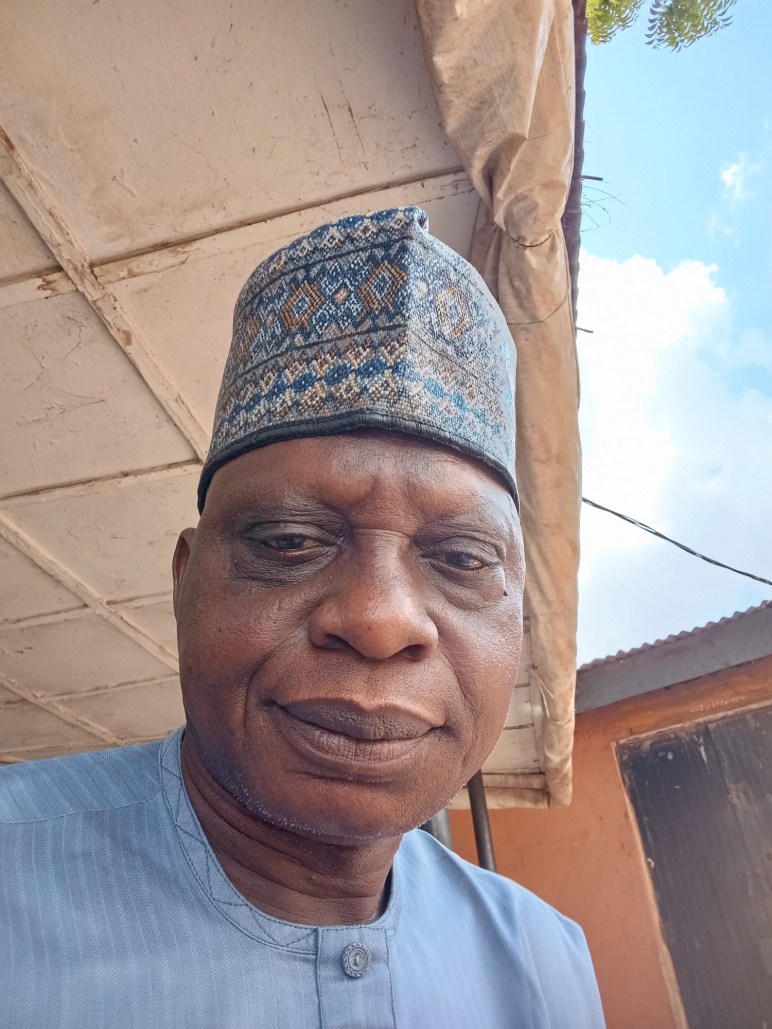
By Rayyanu Bala
Recently, while going through the comment section of Nasarawa Mirror, I came across a comment by Ahmed Bn Umar that caught my attention. He wrote: “No any Lafia man will govern Nasarawa State again, Insha Allah.”
At first glance, many people, especially those from Lafia, might find such a statement offensive or provocative. Surprisingly, however, I found myself agreeing with the comment—not because I dislike Lafia, but because I genuinely believe it is the fair and reasonable position at this point in our state’s political journey.
Let me be clear: I am a proud Lafia man. Lafia is my home, my identity, and my heritage.
For over 60 years of my life, I have never spent as much as 60 weeks without visiting Lafia. Before the creation of Nasarawa State, I visited regularly, and since the state’s creation, I have not spent up to 60 consecutive days outside Lafia.
That alone should tell anyone how deeply connected I am to my hometown. Lafia is part of who I am, and there is no way I can hate it.
Yet, love for one’s hometown should not blind us to the principles of fairness, justice, and inclusion.
Nasarawa State belongs to all its people, not just one local government area. Lafia is only one among 13 local governments in the state. Therefore, it would be unfair to expect that the governorship should be back to Lafia while other areas are patiently waiting for their turn.
We must remember that Lafia has already produced a governor in the person of Senator Umaru Tanko Al-Makura, who served the state for eight years. That opportunity gave Lafia significant political representation at the highest level of state leadership.
This is why I believe Governor Abdullahi Sule deserves credit for supporting and insisting on the zoning of the governorship to Nasarawa West. His position may not have pleased everyone at this time, especially some people from Lafia, but leadership sometimes requires making decisions that promote long-term unity rather than short-term political interests.
The beauty of zoning lies in its ability to create a sense of belonging among all segments of society. When leadership opportunities are shared fairly, every zone feels represented and valued. This reduces political tension, strengthens unity, and gives all communities a stake in the future of the state.
Today, some people from Lafia may not fully appreciate the wisdom behind this arrangement. However, I believe that with time, its benefits will become clearer. The generations coming after us will likely look back and recognize that equitable power-sharing helped to preserve peace and strengthen the bonds among the diverse peoples of Nasarawa State.
As Lafia people, we should not see zoning as a loss. Rather, we should view it as a contribution to the stability and progress of the state we all call home. True leadership is not always about holding power; sometimes it is about knowing when to support others and allowing every part of the state to have a fair chance.
That is why, despite being a proud son of Lafia, I agree that for now, the governorship should remain open to other zones of Nasarawa State. Fairness demands it, and the future generations of our state may one day thank us for it.

