
By Rayyanu Bala
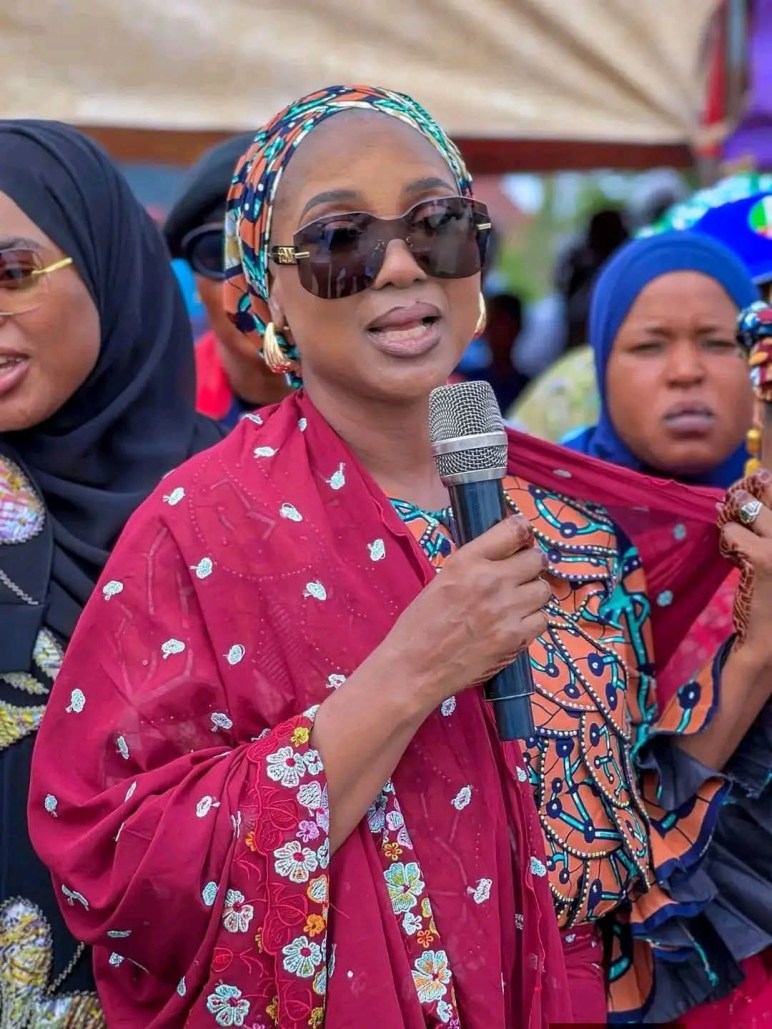
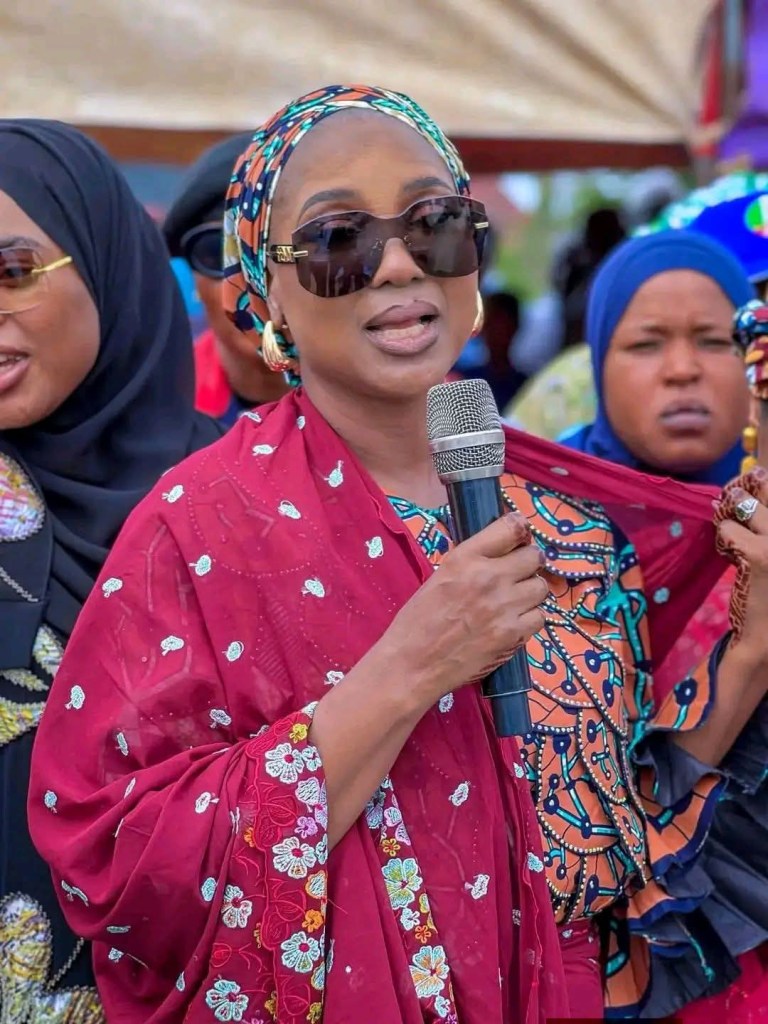
Last Sunday, Hajiya Maryam Ahmed Wadada Aliyu rounded off her women’s empowerment programme with a grand finale in Keffi. In total no fewer than 6,500 women have received N50, 000 each, totalling N350million.
The money was given directly to the beneficiaries to help them start or strengthen small businesses.
For me, this is the kind of empowerment that deserves serious applause not giving out foods.
There is nothing wrong with giving people food, as has been done by the wife of the former IGP. In difficult economic times, a bag of rice, grains, or other food items can provide immediate relief to a family. But we should also ask ourselves a simple question: What happens after the food is finished?
That is why programmes like that of Maryam Wadada take on a different meaning.
The N50,000 given to each woman may not look like a fortune, but in the hands of a determined woman, it can become the beginning of something much bigger. She can use it to buy goods for a small shop, start petty trading, purchase ingredients for food production, or expand a business she has already started. If God blesses her efforts, that small capital can grow and become a reliable source of income for her and her family.
This is why the old saying about teaching someone to fish remains relevant: Give a person a fish and you feed them for a day; teach them to fish and you feed them for a lifetime.
Of course, every empowerment programme can and should be scrutinised. If you compare the former IGP’s wife’s empowerment programme with that of the wife of Senator Wadada, you will agree that the latter is more plausible and, in my view, more impactful. Therefore, there is no basis for comparing the two programmes simply because some supporters of the former IGP are trying to rate theirs more highly.
Opposition is an important part of democracy, and criticism should not automatically be dismissed simply because it comes from political opponents.
But my criticism of the former IGP’s wife’s programme should be measured against the actual impact of the programme. Giving food for a day or two is less impactful than providing seed capital for a business, as I have argued elsewhere.
Maryam Wadada’s programme certainly overshadowed that of the former IGP’s wife because it was an initiative that put productive capital directly into the hands of women. Yes, politics is a competition over who can do more for the people.
Food distribution has its place. But food is consumed. Capital, when properly used and supported, can reproduce itself.
A woman who receives food today may feed her family for a few days. A woman who receives capital and turns it into a profitable business may be able to feed that same family for months or even years. She may even employ another person along the way.
That is the difference between temporary relief and economic empowerment.
So, rather than dissipating energy by asking whose programme came first or whose programme attracted more attention, perhaps the better question is: How many women are now in a better position to stand on their own feet?
If 6,500 women can take N50,000 each and turn it into sustainable livelihoods, then something meaningful has happened.
And if that success inspires others to do even more, then the people are the ultimate winners.
That, in my view, is what genuine empowerment should be about: not simply giving someone something to consume today, but give them something that can help them build a more sustainable tomorrow

