
The growing incidents of political violence in Lafia should no longer be treated as isolated political disagreements. What was once seen as rivalry between political camps is increasingly becoming a matter of concern for the peace, security and social cohesion of the entire community.
The disturbing frequency of reports of political clashes and confrontations raises an important question: how long can Lafia stakeholders afford to remain silent while tensions continue to rise?
The apparent inability of security agencies to completely contain these tensions makes it even more necessary for the stakeholders and traditional institution of Lafia to play a more active role in preventing further escalation. This is a call for responsible community leadership, dialogue and intervention.
Supporters of the two political parties are not strangers to one another. They are sons and daughters of Lafia. They live in the same communities, worship in the same places, trade in the same markets and share the same future. The political leaders at the centre of these rivalries are also people of Lafia.
That reality should make reconciliation possible.
Politics will come and go, but the consequences of violence can remain for generations. Political offices are temporary; communities are permanent. No political victory is worth destroying the relationships and trust that hold a society together.
It is therefore difficult to understand why the traditional institution of Lafia has not, at this critical moment, convened a broad stakeholders’ meeting specifically dedicated to addressing the rising political tensions.
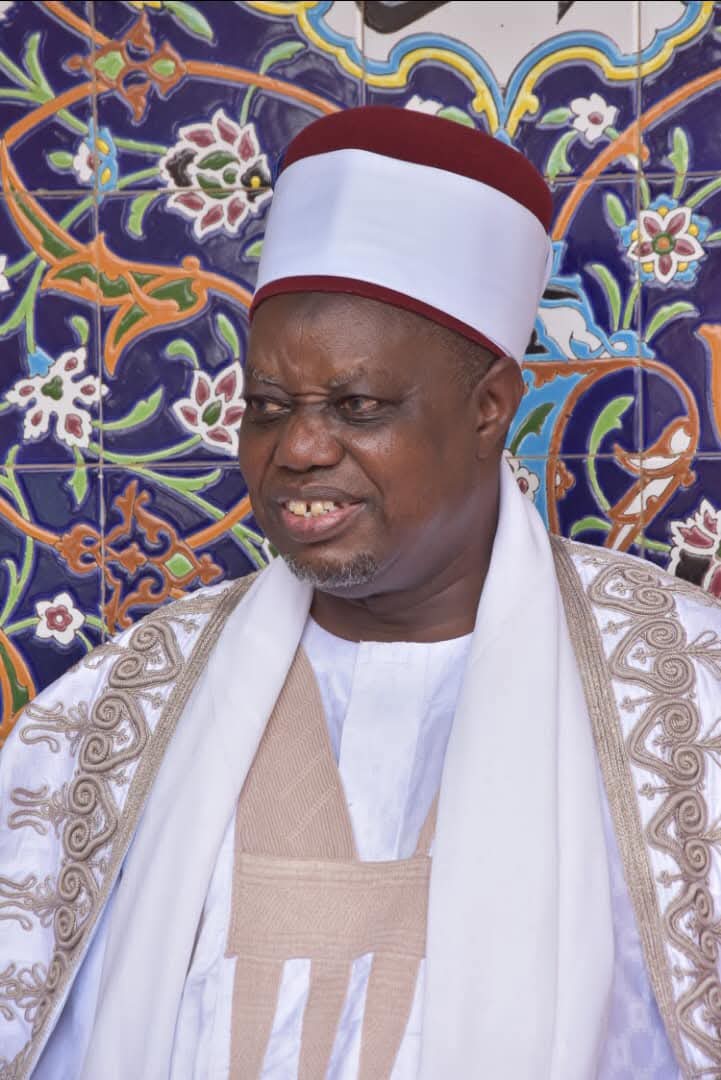
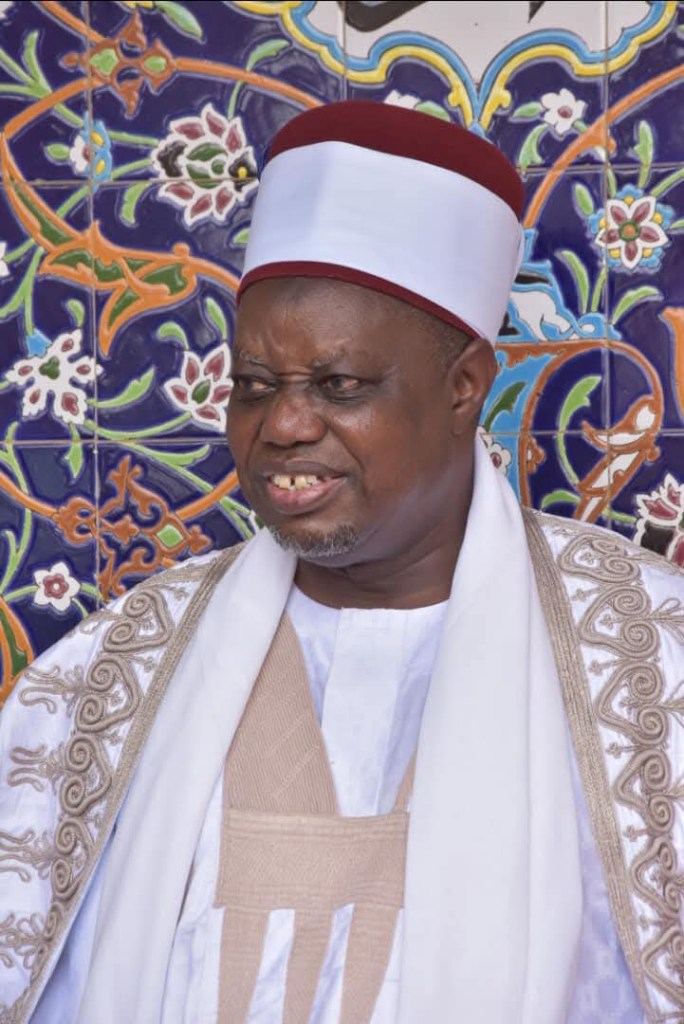
The Emir of Lafia, His Royal Highness Justice Sidi Mohammed Bage, alongside the district and village heads, traditional title holders, religious and community leaders, and political leaders from across the divide, can provide an important platform for dialogue. Such a meeting would not be about determining which political party is right or wrong. It would be about establishing a common commitment: Lafia must not become a theatre for political violence.
Every political actor should be reminded that disagreements are normal in a democracy, but violence is not. Political competition should be settled through persuasion, dialogue, lawful processes and the ballot not through intimidation, confrontation or destruction.
Political leaders must accept their responsibility for the conduct of their supporters and actively discourage violence in all remifications.
Most importantly, the people of Lafia must recognise that they have more in common than the political differences that currently divide them.
The time for waiting until another incident occurs before expressing concern is over. Prevention is always better than mourning the consequences of violence after it has happened.
Lafia needs its traditional institution, political leaders, community leaders and ordinary citizens to come together before the situation deteriorates further. A stakeholders’ meeting convened under the traditional authority of the Emir could be an important first step toward rebuilding trust, establishing channels of communication and preventing political disagreements from becoming communal crises.
The message should be simple and unequivocal: politics must not destroy Lafia.
The people of Lafia deserve political competition without fear, disagreement without violence and Lafia also deserve leadership that places the peace of the community above partisan interests.
The responsibility belongs to everyone, but those with influence have an even greater duty to act now.

