

By Rayyanu Bala
There is something fascinating about politics in Nasarawa State. Political history does not repeat itself exactly, but it has a way of bringing back familiar patterns that leave people wondering whether the past is about to become the present.
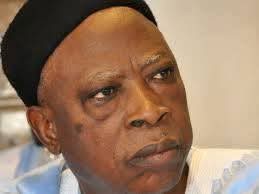
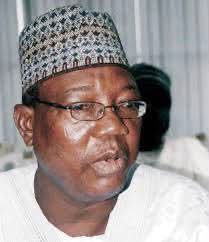
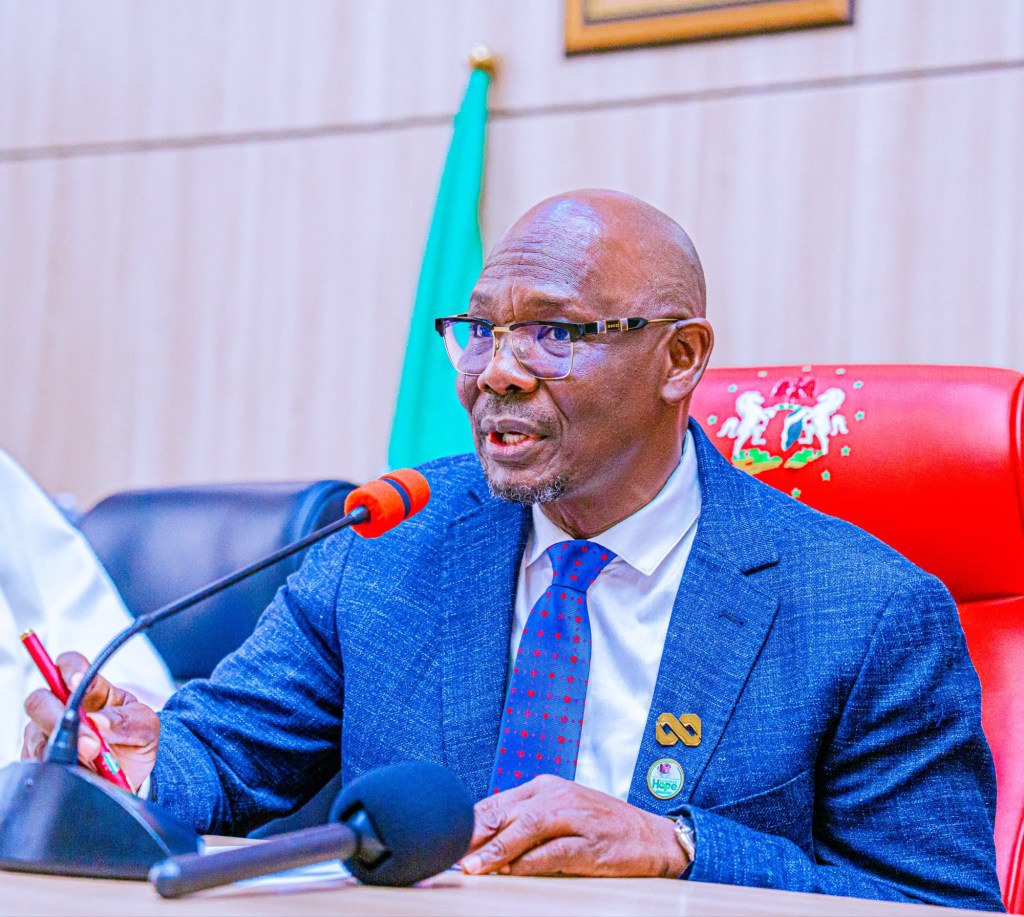
As Nasarawa gradually approaches the 2027 governorship election, one political comparison is becoming increasingly interesting. It concerns the political transitions involving two governors, former Governor Abdullahi Adamu and the present Governor Abdullahi Sule, and the striking resemblance between their relationships with Aliyu Akwe Doma and Ahmed Aliyu Wadada, respectively.
Could Nasarawa be preparing to witness a familiar political scenario that played out between 1999 and 2007 and may now play out again between 2019 and 2027?
Let us look at the similarities.
In 1999, Abdullahi Adamu emerged as the governor of Nasarawa State under the platform of the Peoples Democratic Party (PDP). Among those who contested against him was Aliyu Akwe Doma.
Adamu went on to serve two terms, governing the state from 1999 to 2007. At the end of his eight years in office, Aliyu Akwe Doma emerged as his successor in 2007.
Aliyu Akwe Doma was someone who had previously challenged him for the same office.
Yet, eight years after that contest, the political equation changed. The former challenger became the successor.
That is one of the fascinating things about politics. The person who contests against you today may become the person who takes over from you tomorrow.
Looking back at Nasarawa’s political history, this development raises an interesting question: Was the Adamu-Doma succession merely an isolated political occurrence, or could it be a pattern that might emerge again?
Enter Abdullahi Sule and Ahmed Aliyu Wadada
Fast-forward to 2019, when Abdullahi Sule emerged as governor of Nasarawa State under the platform of the All Progressives Congress (APC).
Among those who challenged him in that year’s governorship primary was Ahmed Aliyu Wadada.
At this point, the resemblance to the earlier political chapter becomes striking.
In 1999, Aliyu Akwe Doma contested against Abdullahi Adamu. In 2019, Ahmed Aliyu Wadada contested against Abdullahi Sule.
Abdullahi Adamu governed from 1999 to 2007, and Aliyu Akwe Doma succeeded him in 2007. Governor Abdullahi Sule began his tenure in 2019, with 2027 marking the end of his constitutionally permitted two terms.
Now, as the state looks towards 2027, Wadada’s position as someone who contested against Governor Sule in 2019 has become an interesting point of comparison with Aliyu Akwe Doma’s earlier political experience.
Could the same kind of succession happen again? Is history about to repeat itself?
Aliyu Akwe Doma contested against Abdullahi Adamu in 1999 and eventually succeeded him in 2007. Ahmed Aliyu Wadada contested against Abdullahi Sule in the APC primary, and now, by the special grace of God, he will be the person to succeed him in 2027.
Consider the pattern. Abdullahi Adamu governed Nasarawa for eight years, and Aliyu Akwe Doma, who had challenged him in 1999, succeeded him at the end of his tenure.
Abdullahi Sule came to power in 2019, and Ahmed Aliyu Wadada contested against him in the primary that same year. With Sule approaching the end of his second term in 2027, Wadada is now set to succeed him.
Two governors. Two eight-year tenures. Two former challengers. Two succession moments separated by twenty years. What a striking resemblance between these transitions!
This is indeed a classic case of a former challenger eventually succeeding the very person he once opposed.
This is what makes the story of Abdullahi Adamu and Aliyu Akwe Doma relevant to Governor Abdullahi Sule and Ahmed Aliyu Wadada. The story is simply about two governors who, after serving eight years, handed over to persons who had once challenged them.
Therefore, the question is: Will 2027 produce a succession story that reminds people of what happened in 2007? The answer is yes, and it presents an interesting resemblance.
Abdullahi Adamu governed from 1999 to 2007, and Aliyu Akwe Doma, who contested against him in 1999, succeeded him at the end of his tenure.
Abdullahi Sule began governing in 2019, and Ahmed Aliyu Wadada challenged him in that year’s governorship primary. As Sule approaches the end of his second term in 2027, Senator Wadada is, by the special grace of God, set to receive the mantle of leadership from him.
Certainly, Wadada will become to Sule what Doma became to Adamu.
For now, one thing is clear: the resemblance between these two political journeys is enough to conclude that 2027 is for Wadada.
Even the coincidence of names is striking: in 2007, it was Abdullahi who handed over to Aliyu, and now, in 2027, it will once again be Abdullahi handing over to Aliyu.
Indeed, Nasarawa’s political history has presented this resemblance, and, by the special grace of God, 2027 will complete the picture.

