By Rayyanu Bala
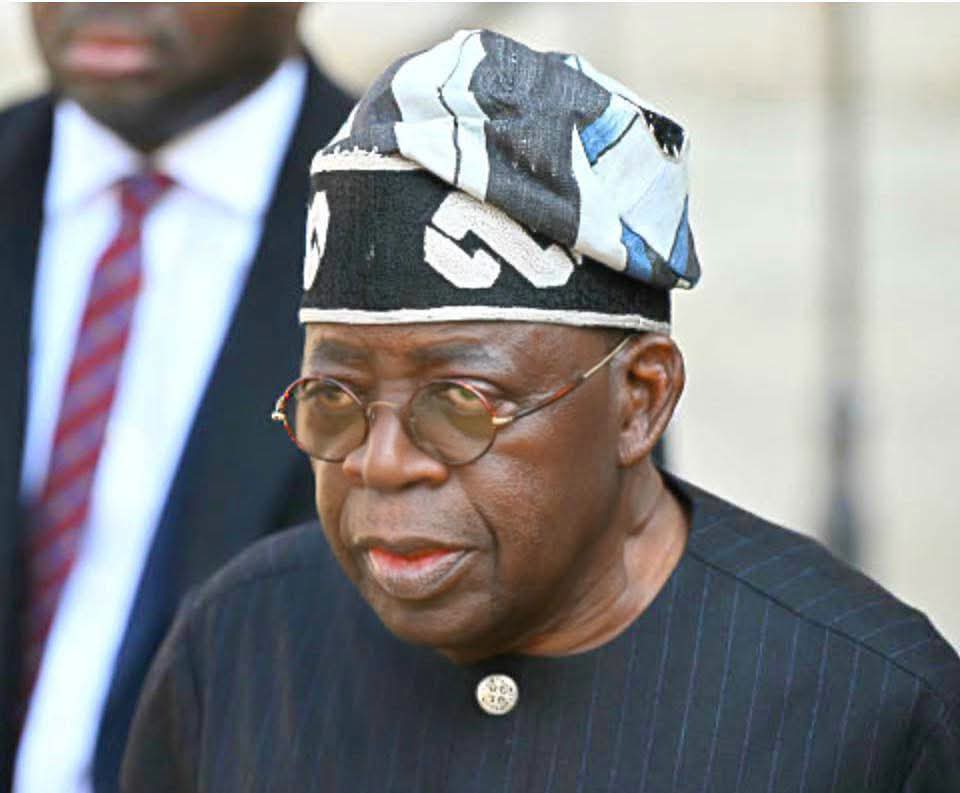
At the empowerment programme organised yesterday by the Chairman of Obi Local Government Council, Senator Ahmed Wadada Aliyu, the governorship candidate in Nasarawa State, praised President Bola Ahmed Tinubu for what he described as the significant achievements of his administration in the state over the past three years.
Senator Wadada highlighted several initiatives and projects that he said had benefited the people of Nasarawa State. These include increased revenue allocations to states, the establishment of the North Central Development Commission, the conversion of the Federal Polytechnic, Nasarawa, into the University of Mining and Technology, the upgrading of Dalhatu Araf Specialist Hospital in Lafia to University Teaching Hospital and the construction of the Keffi–Nasarawa–Abaji Road, among others.
However, despite these developments, some Nigerians continue to express concern over the high cost of living, which they attribute to the economic policies introduced by President Tinubu’s administration.
But while we are on these, there is indeed, something disturbing happening around the world that Nigerians need to pay close attention to, especially given the prevailing economic crisis.
From France to Spain, Italy, Belgium, and Portugal, people are taking to the streets to express their frustration over the rising cost of living, housing difficulties, wages that struggle to keep up with expenses, and the growing pressure on ordinary families to survive. These are countries with different governments, different economic systems, and different political histories, yet many of their citizens are asking the same questions we are daily asking in Nigeria: Why is life becoming so expensive? Why are ordinary people finding it increasingly difficult to make ends meet?
However, whenever Nigerians complain about the rising cost of food, transportation, electricity, rent, and other basic necessities, opposition politicians are quick to point accusing fingers at President Bola Ahmed Tinubu and his administration. Their argument is that the present economic hardship is evidence of government failure. Some go even further to presenting the situation as though Nigeria is the only country in the world where citizens are struggling to cope with rising prices.
The rising cost of living is a global challenge, although its effects differ from country to country. Inflation, housing shortages, energy costs, supply-chain disruptions, and economic uncertainties have placed pressure on households in many parts of the world. Even in countries with stronger economies and more established social welfare systems, citizens are demanding answers from their governments as regards to raising costs of living.
If people in Europe are protesting over raising costs, does that automatically mean their respective governments have failed in every aspect of governance? If ordinary people in another country can complain about the high cost of living, should we conclude that their leaders are solely responsible for it?
Yes, Nigeria’s economic hardship is real. Families are making painful choices about what to buy, how to transport themselves to work, and how to educate their children. Small businesses are struggling with operating costs, and many people feel that their incomes no longer stretch far enough.
Nobody should dismiss these difficulties or tell struggling Nigerians that they have no right to complain.
But acknowledging the hardship does not mean we should ignore what is happening elsewhere in the world. We are all aware of the protests across Europe over the rising cost of living.
In a democracy, the opposition has every right to scrutinise government policies, expose failures, challenge decisions that hurt citizens, and present credible alternatives. That is how democracy should work.
However, there is a difference between holding a government accountable and turning every economic difficulty into a political weapon. Attributing every increase in prices to President Tinubu without considering global economic conditions is not healthy politics.
In Nigeria today, opposition parties are shouting about economic hardship and insecurity without explaining what they would do or offering alternatives.
The opposition has failed to explain what it would do to improve domestic food production, reduce transportation costs, and stabilise the currency without creating other serious economic problems. It has also failed to explain how it would support low-income households while keeping public finances sustainable, improve electricity supply, and create employment opportunities.
It is not enough to say that everything is bad under President Bola Ahmed Tinubu. The opposition should demonstrate how its policies would improve the situation, what those policies would cost, and how quickly ordinary citizens could expect to see results.
Our opposition politicians must know that Nigerians deserve solutions, not blame. They must not turn economic hardship into a contest over who is to blame.
The protests and economic pressures being reported across Europe should remind us that the cost-of-living crisis is not exclusively Nigerian. People in different countries are facing similar problems.
Since the current hardship is not limited to Nigeria but is a global phenomenon, we in Nasarawa State must acknowledge that President Bola Ahmed Tinubu has made efforts worthy of recognition and praise. These efforts, in my view, are worth considering him for the second term.