
By Rayyanu Bala
If there is one message that should resonate with every APC stakeholder in Nasarawa State following the political consultations convened by Governor Abdullahi A. Sule, it is this: the time for talking is gradually giving way to the time for action.
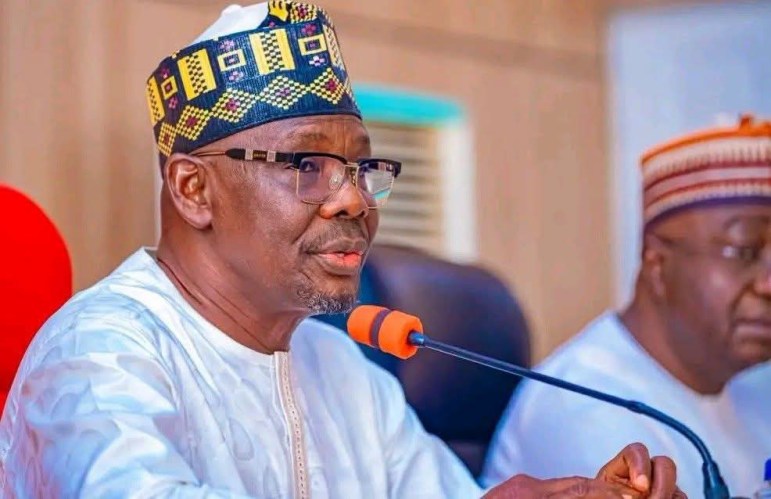
The meeting Governor Sule held with APC stakeholders and political appointees from all the 13 local government councils, alongside the meeting with APC candidates held yesterday, Wednesday, October 21, 2026, should not be seen as separate political events with different purposes. Rather, they are part of one deliberate effort to strengthen the party, consolidate unity, harmonise interests, and prepare everyone for the task ahead of the 2027 general elections.
The governor has provided the platform, brought people together, encouraged dialogue, and created the opportunity for stakeholders to align their interests with the broader objectives of the party. Now, the real work begins.
Let us be honest with ourselves. Political meetings, no matter how well attended or how promising the resolutions may sound, cannot win elections on their own. Unity expressed around the round table must translate into cooperation in our wards. Promises made before the governor must become visible actions at the grassroots. And commitments given during political consultations must be demonstrated through personal sacrifice, dedication, and effective mobilisation.
What is left now is for everyone to return to their respective wards and polling units and deliver on the promises made before Governor Sule.
For the APC in Nasarawa State, the road to 2027 will not be won by the number of meetings attended, the speeches delivered, or the assurances given in the presence of the governor. It will be determined, to a significant extent, by what party leaders, elected representatives, candidates, appointees, and grassroots mobilisers actually do when they return to their respective communities.
Every stakeholder has a role to play. Those holding political appointments must understand that their positions come with responsibilities. Candidates must begin to build relationships, engage constructively with party members, and demonstrate a willingness to work with others. Ward and unit leaders must strengthen communication, resolve avoidable disagreements, and ensure that party structures remain active and connected to the people.
One thing I believe we must all understand is that Governor Sule is not likely to have the luxury of entertaining endless excuses when the time comes to assess progress. He has convened these meetings, invested his time in consultations, and brought stakeholders together in pursuit of a common objective. It would therefore be unreasonable for anyone to return to business as usual and expect the same conversations to continue without measurable results.
The governor needs action, not another round of explanations. He needs commitment that can be seen on the ground, not assurances.
Of course, building a strong political structure requires patience, resources, cooperation, and an understanding of the different interests within the party. Not every challenge will disappear overnight. However, there is a difference between encountering genuine difficulties and using difficulties as a permanent excuse for inaction. Where problems arise, stakeholders must be prepared to find solutions, consult one another, and keep moving forward.
Unity does not mean that everyone must agree on every issue. It means that, after consultations and the necessary compromises, everyone understands the collective objective and is willing to contribute towards achieving it. Pity differences should not become an obstacles to party progress, especially when the larger task requires collective effort.
The participation of the APC governorship candidate, Senator Ahmed Aliyu Wadada, his running mate, and other party candidates in yesterday’s meeting further reinforces the need for a coordinated approach. The governorship ticket cannot operate in isolation from other candidates, just as candidates seeking legislative offices cannot afford to pursue their ambitions without regard for the wider interests of the party.
The success of a political party depends on how well its different structures work together. Both governorship candidate and legislative candidates need cooperation across party structures. Political appointees and stakeholders on the other hand must understand that their individual efforts should complement, rather than undermine, the collective campaign machinery.
This is why the meetings convened by Governor Sule matter. They provide an opportunity to bring everyone onto the same page and establish a common understanding of what lies ahead. But the value of these consultations will ultimately be measured by the actions, nothing but action.
Now is the time for every stakeholder to return home and get to work. Visit the wards. Engage unit leaders. Speak with party members. Listen to grievances. Rebuild strained relationships. Identify areas of weakness and address them. Strengthen grassroots structures and ensure that the party’s message reaches the people.
Above all, let every promise made before the governor be treated as a personal commitment that must be pursued with seriousness.
We should also remember that 2027 is approaching, no time to waste. The earlier stakeholders begin to translate their commitments into practical action, the better positioned the party will be to organise effectively and respond to the demands of the electorates.
Nobody should wait for another meeting before doing what can be done today. Nobody should wait for the governor to issue another directive before taking responsibility for their ward or unit. Leadership is not demonstrated only when the governor is present; it is demonstrated by what we do when nobody is watching.
Governor Sule has played his part by creating opportunities for consultation and coordination. The responsibility now rests on the shoulders of every stakeholder to justify the confidence placed in him.
The meetings have set the direction. The commitments have been made. The next chapter must be about implementation.
If we truly believe in the APC’s prospects in Nasarawa State, then we must be prepared to move beyond slogans and demonstrate that belief through hard work, discipline, cooperation, and sustained grassroots engagement.
The governor should not have to keep calling people together to remind them of responsibilities they have already accepted. Every stakeholder must take ownership of the assignment and understand that the success of the collective effort depends on individual contributions.
At this stage, excuses will achieve very little. What matters is who is working, what is being done, and how effectively the party’s structures are being strengthened across the local government, wards and units.
The task before us is straightforward: return to our respective wards and units, fulfil the promises made, mobilise responsibly, and work together towards the common goal.
The road to 2027 demands more than declarations of loyalty. It demands commitment in action, unity in practice, and discipline in execution.
Let us, therefore, stop waiting for the next meeting and start doing the work that the last meeting has placed before us.
The time for excuses is running out. The time for work is now.

