By Rayyanu Bala
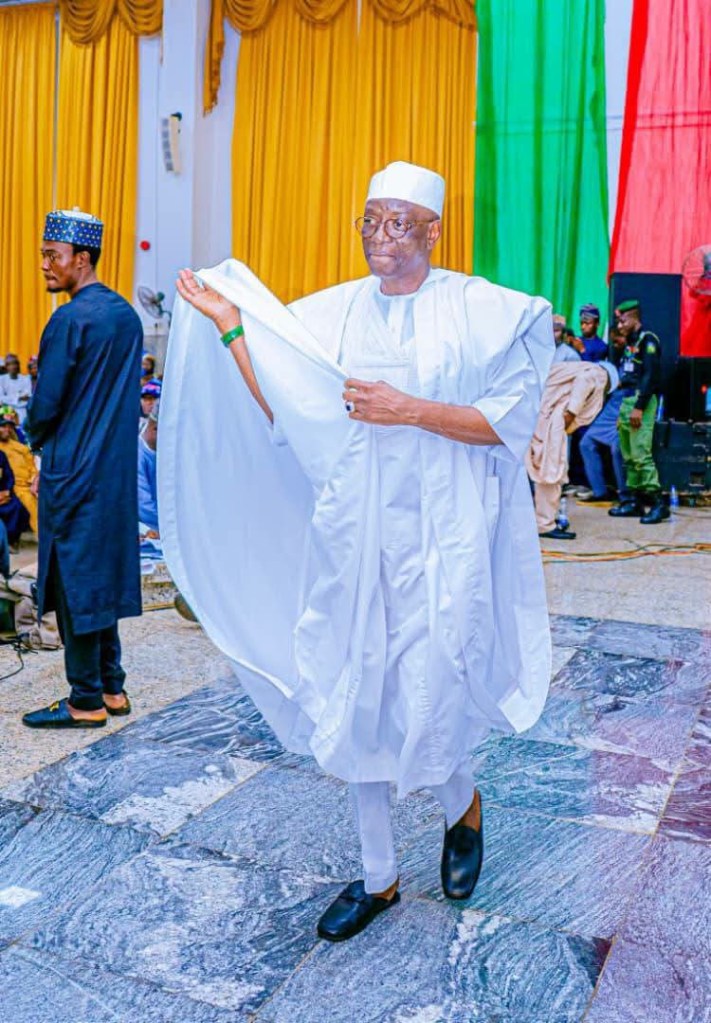
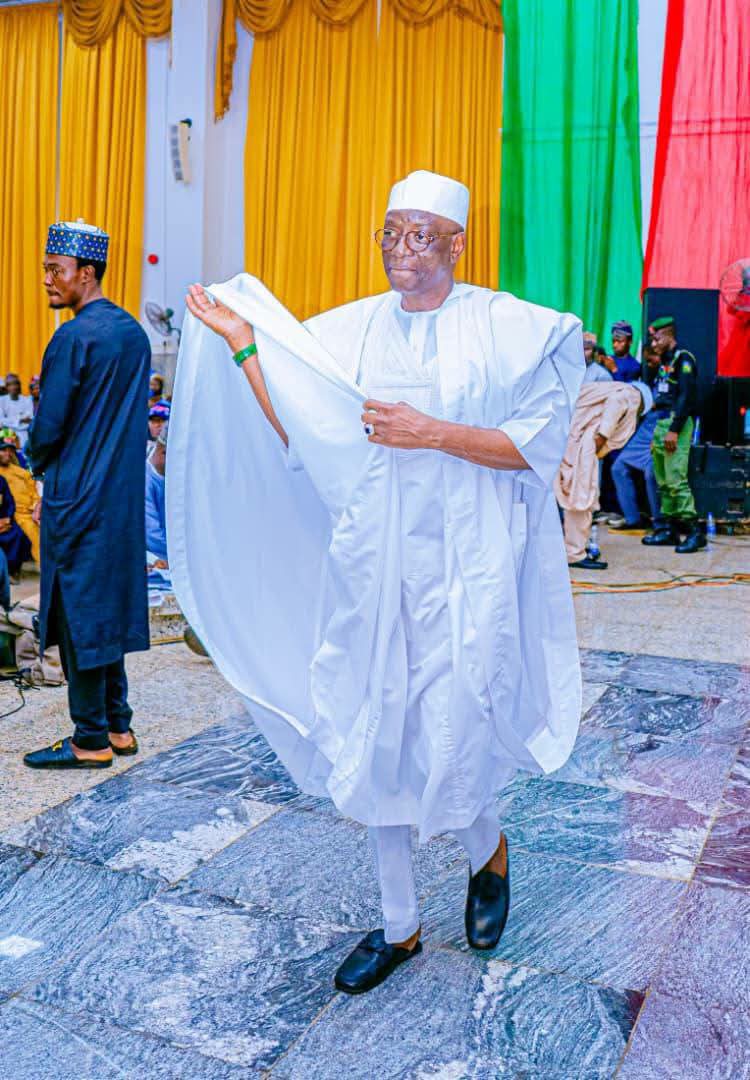
Senator Ahmed Wadada Aliyu, the APC governorship candidate in Nasarawa State, sent a powerful message during his remarks at the inauguration of the Presidential and Gubernatorial Campaign Council held at the Government House, Lafia, yesterday.
His message touches on some of the deepest realities of human relationships, forgiveness, reconciliation, humility and, above all, the sovereignty of Almighty Allah.
While appreciating the people of Nasarawa State for their support, Senator Wadada took the opportunity to seek forgiveness from anyone he might have offended, either intentionally or unintentionally, knowingly or unknowingly. That gesture, in itself, speaks to an important principle: no matter how highly placed we become in society, we remain human beings who can make mistakes and should always be willing to apologise.
He further explained that following the APC governorship primary election, which produced him as the party’s governorship candidate, he personally made efforts to reach out to those who felt aggrieved by the outcome. According to him, he went to them in the spirit of reconciliation, hoping to mend broken relationships and bring everyone together for a common purpose.
Unfortunately, he said, those efforts did not yield the desired results.
But perhaps the most important part of his message was his recognition that there is a limit to what a human being can do to win another person’s forgiveness.
This is where Wadada’s statement raises an important question about human relationships.
Senator Wadada’s argument, as expressed in his remarks, is rooted in a simple but profound religious understanding that Almighty Allah, who created mankind, teaches forgiveness, mercy and love. If the Creator Himself encourages forgiveness, why should any human being behave as though forgiveness is beyond his reach or as though he possesses a higher authority than the One who created us all?
Nobody is God. Nobody controls tomorrow. Nobody can determine the ultimate destiny of another person. The same Almighty Allah who gives power can take it away. The same God who raises a person from obscurity to prominence can bring him down from the highest position. He gives and He takes, and no human being can arrogate that authority to himself.
Human life itself is temporary. What remains important is how we treat one another and the humility we demonstrate.
However, forgiveness must also be understood as a personal decision. Nobody can force another person to forgive, just as nobody should claim ownership of another person’s life. Those who feel offended have the right to express their grievances, and they deserve to be heard. But those seeking reconciliation and forgiveness should equally be forgiven in the spirit of reconciliation.
Politics should not become a permanent battlefield where disagreements over party primaries turn into lifelong personal hostility.
A primary election is an internal democratic process. There will always be winners and losers, supporters and opponents. But after the contest, the larger interest of the party should take precedence.
The important thing is that nobody should allow political differences to consume the values of brotherhood, mutual respect and humanity that bind us together.
Ultimately, our lives and fortunes are in the hands of Almighty Allah. Those who think the power to give and take is in their hands should continue with those illusions.
Senator Wadada’s message, therefore, goes beyond the politics of the moment. It is a reminder that we should learn to apologise when we are wrong, forgive when we are offended and embrace reconciliation.
No man should ever arrogate to himself the power that belongs to God. We are all creations of the same Almighty Allah, dependent on His mercy and subject to His will. He gives, and He takes. He raises, and He lowers. He opens doors that no man can shut and closes doors that no man can open.
After all, nobody is bigger than God, and nobody should behave as though the fate of another human being rests entirely in his hands.
On this note, Senator Wadada is absolutely right. No one holds the key to his success other than God.