

BY DR.IDRIS KEANA
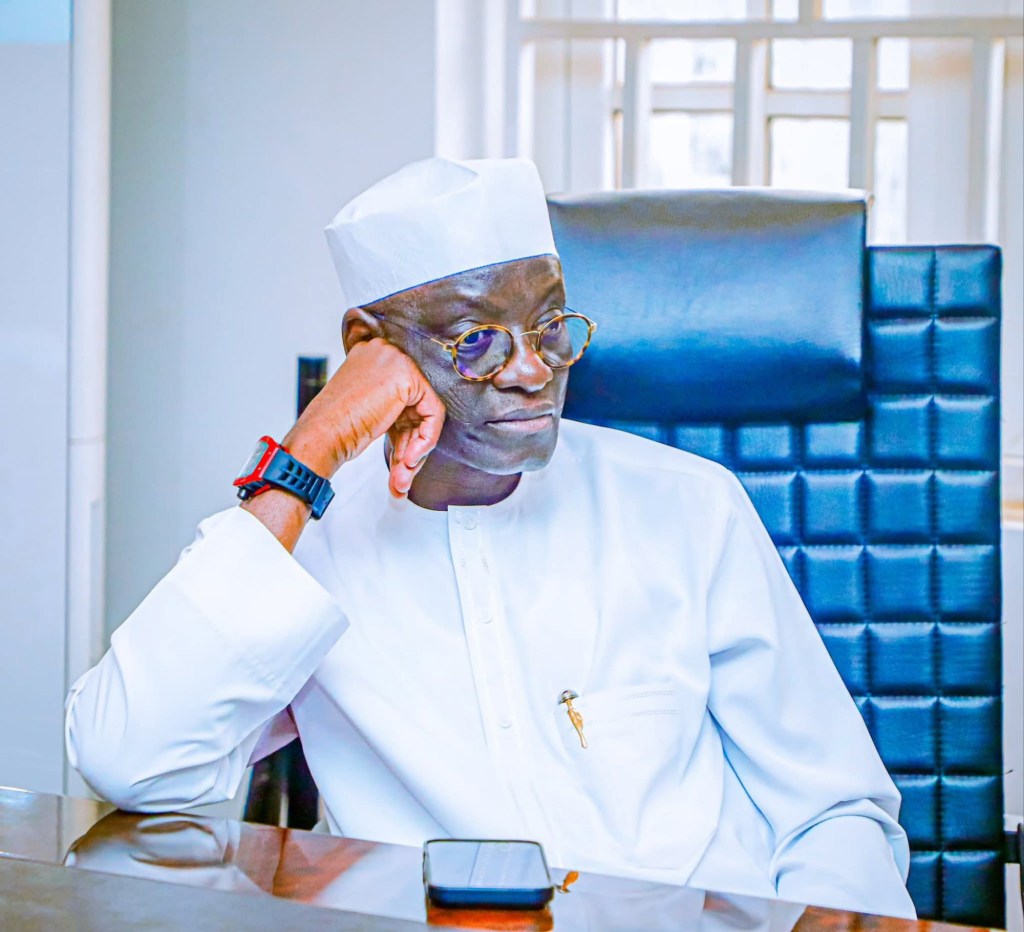
In the often unpredictable theatre of Nigerian politics, timing can be as decisive as talent. For Senator Ahmed Aliyu Wadada, the interplay between patience, resilience, and opportunity has defined a political journey that continues to attract attention across Nasarawa State. His story is not merely one of ambition, but of calculated endurance—of a man who appears determined to move in step with destiny rather than ahead of it.
Wadada’s political travails are well documented. Like many figures navigating Nigeria’s complex democratic structure, he has encountered electoral setbacks, shifting party loyalties, and the ever-present tensions of intra-party competition. Yet, these experiences have not diminished his relevance. Instead, they have sharpened his political instincts. Each challenge has served as a recalibration point, reinforcing a style defined less by haste and more by strategic timing—waiting, observing, and re-engaging when conditions align.
This ability to “keep time” is perhaps most evident in his gradual accumulation of achievements. Wadada’s legislative and constituency record reflects a steady, if understated, approach to governance. From infrastructure interventions to educational support initiatives, his projects often prioritize long-term value over short-term visibility. Critics may question whether such incremental progress is sufficient in a fast-paced political environment, but supporters argue that sustainability, not spectacle, is the true measure of impact.
Central to his political philosophy is a deliberate focus on youth and women empowerment. In a country where these groups form a significant portion of the population yet remain underrepresented in economic and political spaces, Wadada’s initiatives stand out for their practical orientation. Through vocational training programs, financial support schemes, and educational sponsorships, he has contributed to building capacity among young people and women. This approach signals an understanding that empowerment is not an event, but a process—one that requires timing, consistency, and follow-through.
Equally defining is his grassroots connection. Unlike politicians who become distant after attaining office, Wadada has maintained a visible and consistent presence within his constituency. His engagement with local communities—through consultations, town hall meetings, and direct interventions—has reinforced a perception of accessibility. This proximity is not merely symbolic; it provides him with real-time insight into the needs and expectations of the people he represents, enabling more responsive decision-making.
Beyond formal politics, his community engagements reflect a broader commitment to social responsibility. Whether supporting local development projects or responding to immediate social needs, Wadada has cultivated a role that extends beyond legislative duties. In doing so, he bridges the gap between governance and everyday lived experience—a gap that often undermines public trust in political institutions.
To describe Wadada as a man “keeping time with destiny” is to suggest a leader who understands that political success is rarely instantaneous. It is built over time, through persistence, adaptation, and a willingness to learn from both victory and defeat. His trajectory illustrates a belief that destiny is not seized in a single moment, but aligned with through sustained effort and strategic patience.
Still, this narrative is not without its complexities. Questions remain about the broader scope of his influence, the scalability of his initiatives, and his capacity to translate grassroots goodwill into transformative, state-wide leadership. These are legitimate considerations in assessing any political figure aspiring to greater responsibility.
Yet, within the broader discourse on leadership in Nigeria, Wadada’s journey offers a noteworthy perspective: that timing, when combined with purpose, can be a powerful force. In a system often characterized by urgency and short-termism, his approach suggests an alternative path—one where consistency and patience are not weaknesses, but strategic assets.
As the political clock continues to tick, the question is not whether Wadada has faced challenges—he clearly has—but whether his alignment with time and circumstance will ultimately position him for greater leadership. For now, his record points to a man who is not rushing destiny, but steadily keeping pace with it.

